



Catalogue

Diamond blades for ceramics: cutting precision and chip-free finishes

Cutting modern ceramic tiles is one of the most critical, high-precision operations in finishing and tiling work. A chipped glaze or an out-of-square cut does not just mean wasted material: it causes costly delays and disputes over the final result. For tilers and building contractors, having abrasive tools that deliver a clean finish from the very first pass is a decisive factor in the overall efficiency of the job.

For builders' merchants and professional hardware stores operating in the B2B segment, building a complete range of diamond blades for ceramics is a strategic choice to maximise sales. As consumables subject to constant, rapid wear, these items ensure an extremely high and regular repurchase rate. Selecting and offering top-of-the-range blades that combine millimetre precision with long working life lets you respond promptly to the needs of local professionals, while driving effective cross-selling of angle grinders, wet tile cutters and personal protective equipment.

Types and profiles of ceramic cutting blades

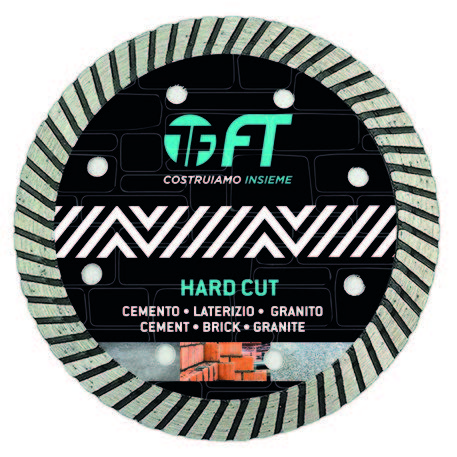
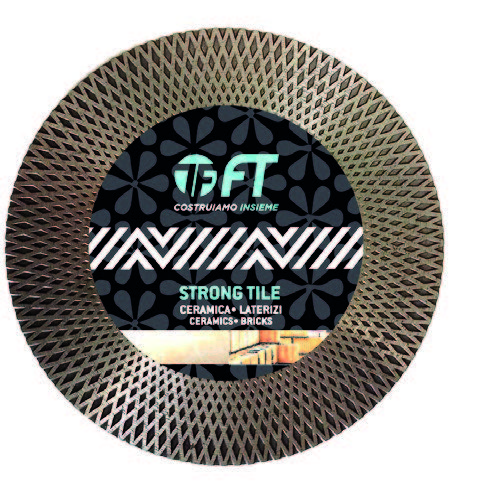
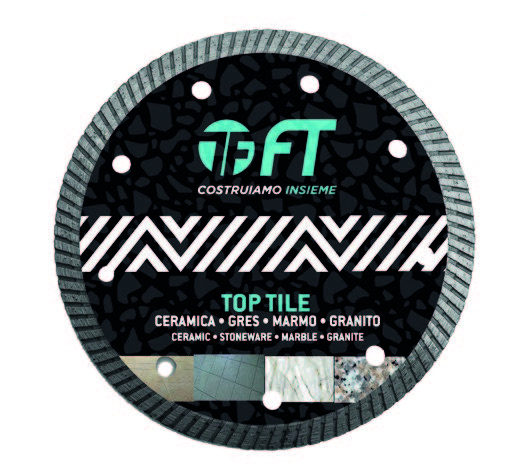
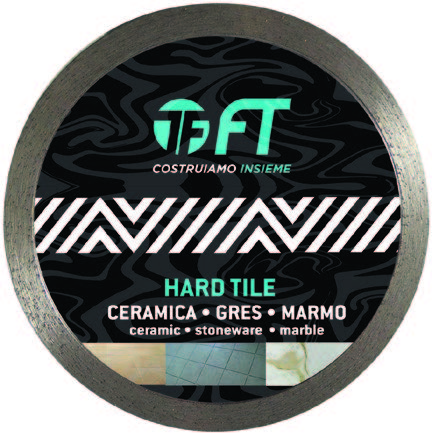
The geometry of the cutting edge directly affects finish quality and cutting speed. For the most fragile materials, or those with delicate, glossy glazes, the optimal solution is a continuous-rim diamond blade for ceramics. This design ensures constant, vibration-free contact with the workpiece, distributing mechanical stress evenly to eliminate the risk of chipping along the edges. For hard or thick materials such as modern porcelain stoneware, thin continuous-rim or micro-turbo geometries are preferred, designed to speed up the removal of abrasive dust and make the tool's penetration smoother.

Performance and durability of diamond blades for cutting ceramics

The life and output of a diamond tool depend largely on the quality of the blend of metal powders and industrial diamonds that make up the cutting rim. In professional diamond blades for cutting ceramics, the thickness of the steel core is precisely calibrated to prevent flexing and dangerous overheating during the most intensive cutting sessions. For quick jobs directly on site and for making cut-outs or shaped holes, tilers frequently use a ceramic tile cutting disc mounted on a hand-held angle grinder. These discs combine the precision of dry cutting with versatility of use, ensuring consistent performance even on extremely hard materials and thin tiles.

Operational safety and technical compliance

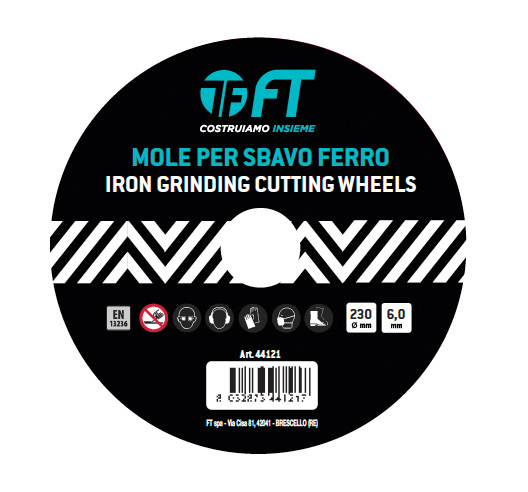
The manufacture and use of superabrasive tools are governed by strict European safety standards, in particular EN 13236. This technical standard sets out the mechanical strength requirements and the breakage tests that every blade must undergo before being placed on the market. Supplying perfectly balanced blades minimises the vibration transmitted to the operator's arms (hand-arm system) and prevents cracks forming in the steel core, averting the risk of sudden failure at high rotational speeds. FT SPA's alignment with the stringent ISO 9001:2015 certification standards guarantees distributors a supply of items that are compliant and safe from every legal and operational standpoint.

Logistics advantages for B2B distribution and Progetto 2.0

Managing a complete range of blades in various diameters and applications requires careful planning to avoid stock-outs on the best-selling sizes, such as the 115 and 125 millimetre diameters. FT SPA supports its distribution partners with a fast, efficient logistics service, designed to handle prompt shipments and cut waiting times for the end customer. Through Progetto Rivendita 2.0, the company also supplies dedicated wall displays and clear, protective blister packaging. This display layout makes rational use of space in the shop, divides products by diameter and intended use, makes it easier for professionals to choose on their own and speeds up shelf restocking for store staff.

Frequently asked questions

What is the main difference between dry cutting and wet cutting on ceramic materials?

Wet cutting uses water to constantly cool the diamond rim and the blade core, reducing friction and completely suppressing fine dust. It is ideal for long cuts and thick materials on cutting benches. Dry cutting, typical of hand-held grinders, offers greater flexibility on site for quick cuts, but requires specific blades with perforated or slotted cores to aid air cooling.

How do you prevent the surface glaze of tiles from chipping during manual cutting?

To avoid chipping, it is essential to use a continuous-rim blade designed for ceramics and to set a moderate feed rate, without applying excessive pressure to the tool. It is also advisable to start the cut at a slight angle to score the surface glaze first, and only then cut right through the body of the tile.

What is the optimal rotational speed (RPM) for a 115 mm diamond blade on porcelain stoneware?

The maximum operating speed is clearly marked on the body of the blade and is defined on the basis of EN 13236 safety tests. For a 115 mm diameter used on angle grinders, the optimal operating speed is usually between 11,000 and 13,000 revolutions per minute (RPM), depending on the hardness of the specific stoneware being cut.

How can you tell if a diamond blade is glazed or "needs dressing", and what should you do?

When the blade's feed rate drops sharply and it tends to overheat or throw sparks, the surface diamonds have worn down and the metal bond has "glazed over". To restore cutting ability, simply make a few quick cuts in a dedicated abrasive dressing stone or a block of sandstone to wear away the metal matrix and expose fresh diamond cutting edges.

How can I organise the display of diamond blades in my shop to make it easier for customers to choose?

Through Progetto Rivendita 2.0, we supply wall displays complete with hooks and informative signage that clearly indicate performance classes and suitable materials (ceramic, stoneware, marble, concrete). This visual segmentation helps buyers immediately identify the right product by diameter and application, reducing time spent assisting customers at the counter.

Do blades bought in large batches keep their properties unchanged if stored in a warehouse for a long time?

Yes, provided they are kept in their original packaging in a dry environment protected from sharp temperature swings, to prevent surface condensation on the steel core. The chemical and physical stability of professional blades guarantees unchanged performance even months after storage.

Store Locator

Find your nearest FT dealer

Or write to info@ftspa.it for a tailored quote.

Stay up to date