ELECTRICITY

Industrial plugs and sockets: safe, certified electrical connections for the site

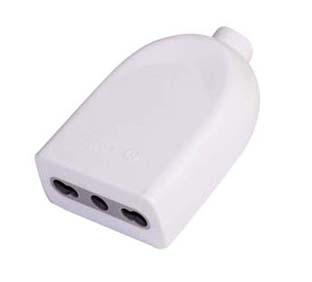
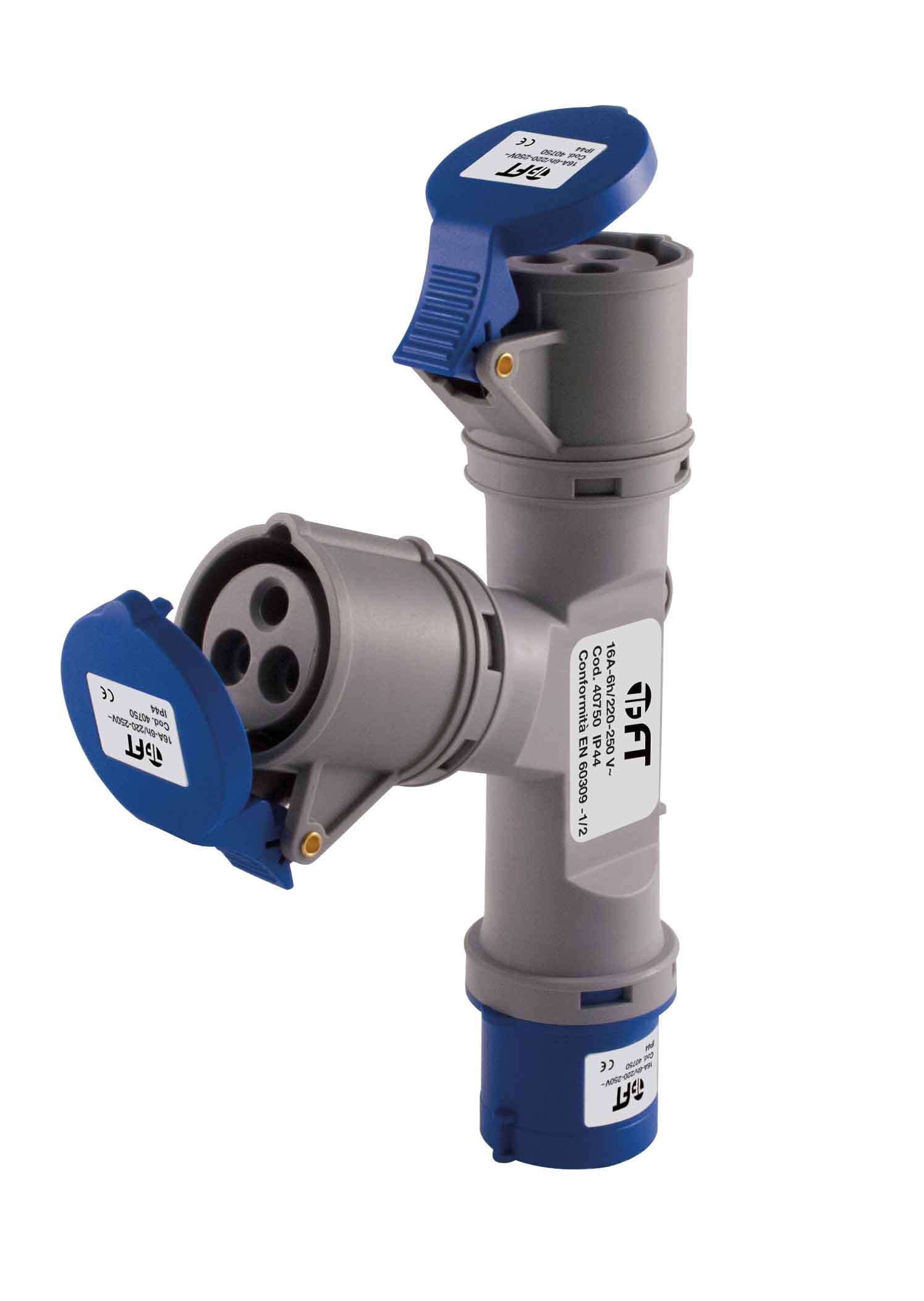
Setting up temporary electrical installations is a critical point for operations and safety in any work area. Using plugs and sockets that comply with strict European standards is essential for powering heavy machinery, professional power tools and lighting systems in inherently harsh environments. The construction site exposes connections to mechanical impacts, accidental pulling, water splashes and fine dust, all factors that call for high-performance technical materials and rule out the use of domestic-grade components.

For a technical hardware store or a specialist dealer, selecting and supplying electrical equipment certified to CEI EN 60309 is a clear professional duty. Providing construction companies with safe, tested supplies reduces machine downtime caused by faults or short circuits, while preventing the very serious risk of electrocution for workers. Stocking robust, compliant connections directly protects the employer in the event of inspections, strengthening the store's role as a reliable partner for the construction trade.

Construction features and protection ratings of compliant plugs and sockets

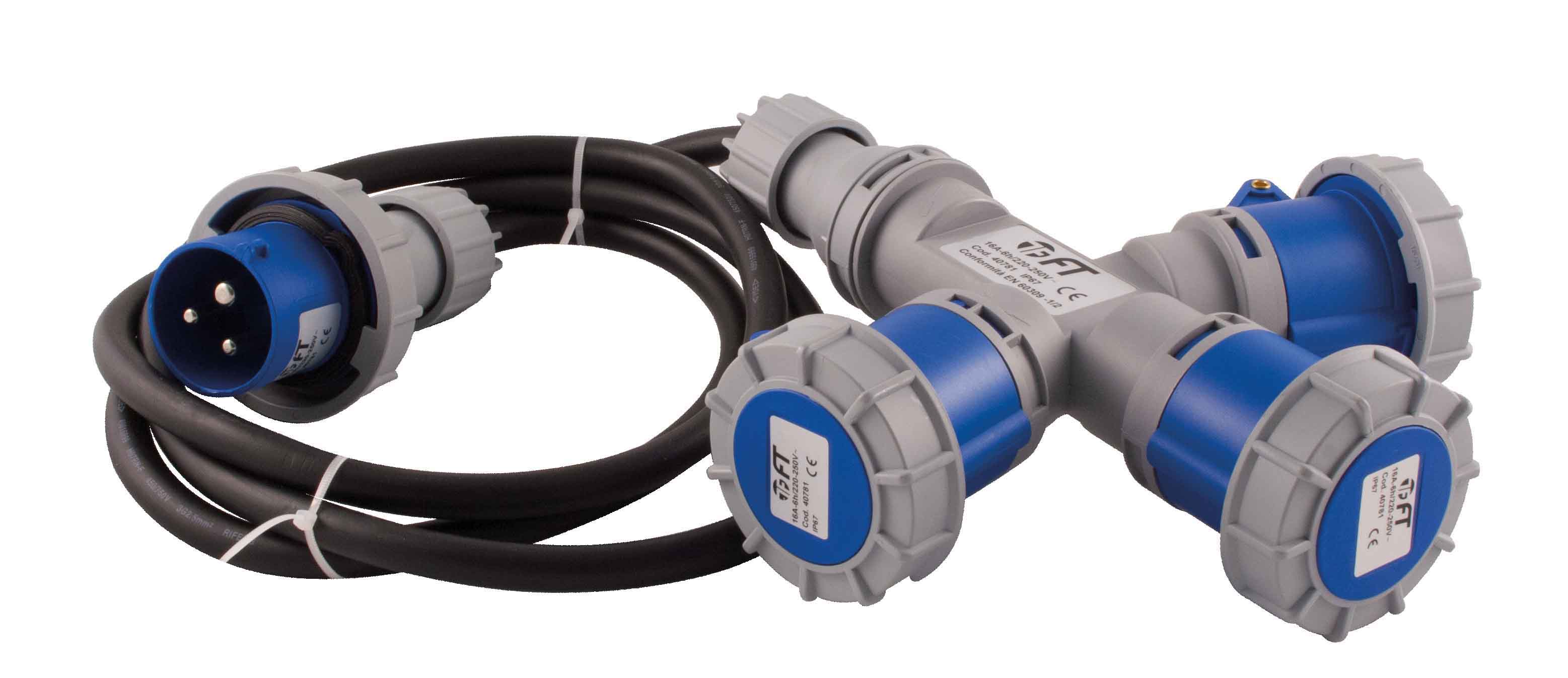
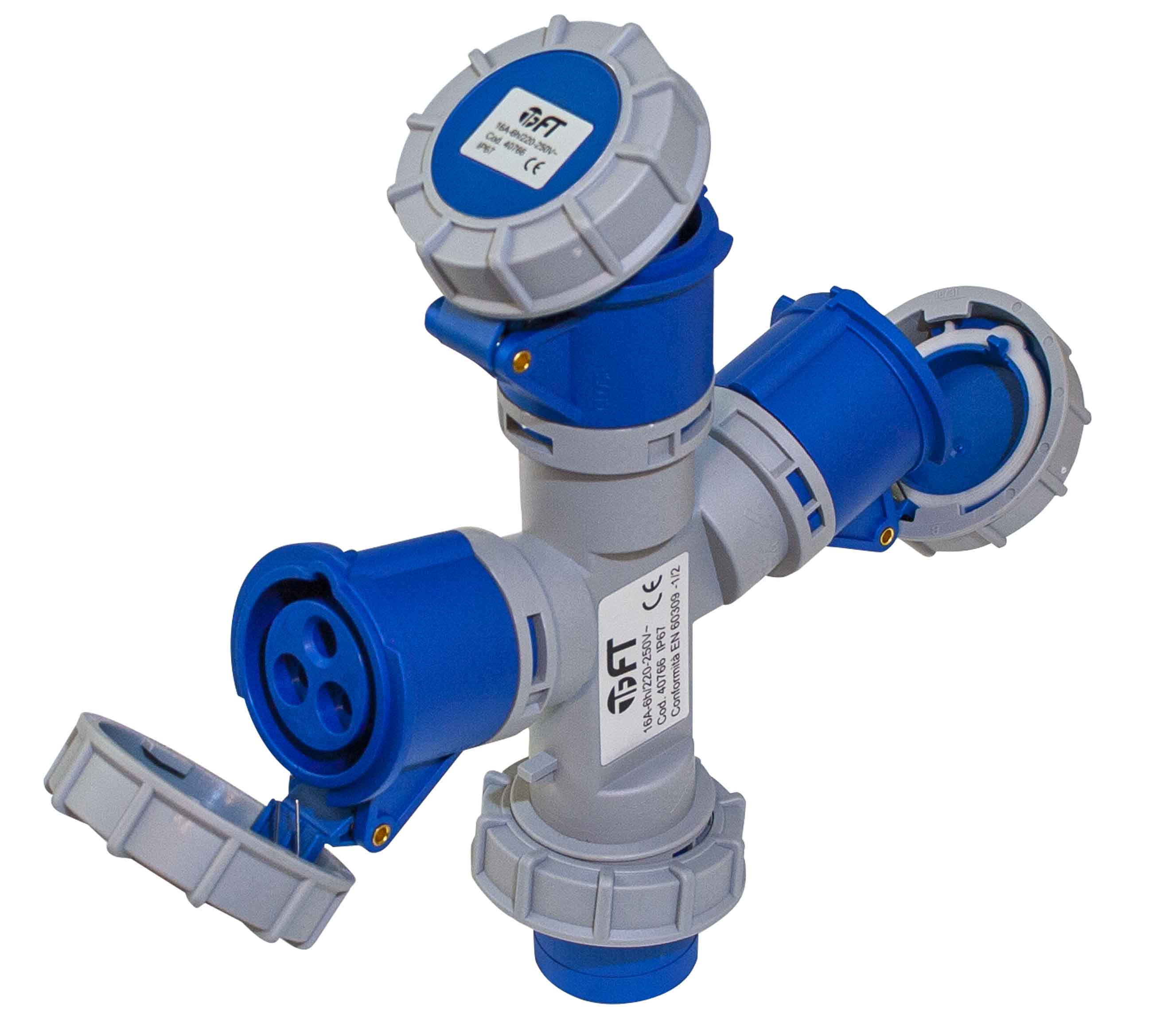
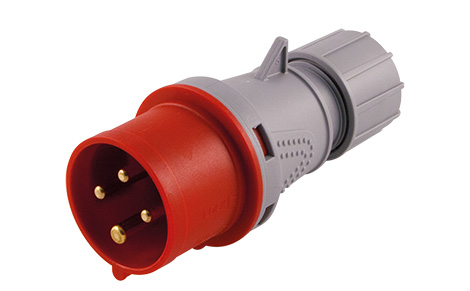
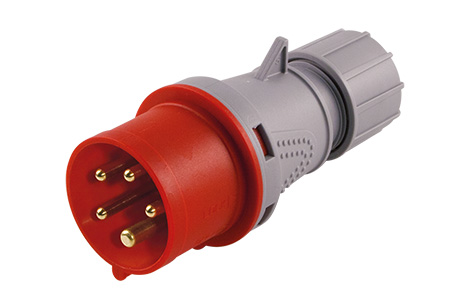
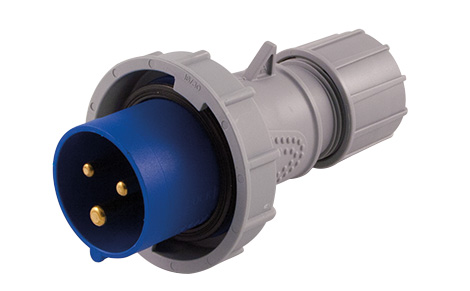
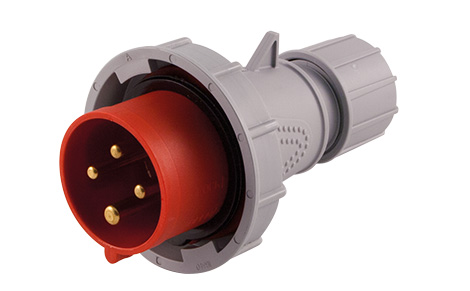
The reliability of these components comes from the use of advanced engineering polymers, usually polyamide with high mechanical and thermal resistance. These materials give the outer housings an outstanding ability to absorb impacts and withstand accidental crushing, essential requirements for site plugs and sockets subject to intensive use. A key technical parameter is the IP protection rating. IP44 versions provide adequate protection against the ingress of solid objects larger than 1 mm and against water splashing from any direction, making them suitable for use in sheltered outdoor areas or inspection pits. For excavations, tunnels or work settings fully exposed to prolonged bad weather, the mandatory technical choice is IP67 versions, which are completely watertight even when temporarily submerged. The polymers used also ensure high chemical inertness to oils, solvents and hydrocarbons frequently found on building sites.

Colour coding and operating voltages for electrical plugs and sockets

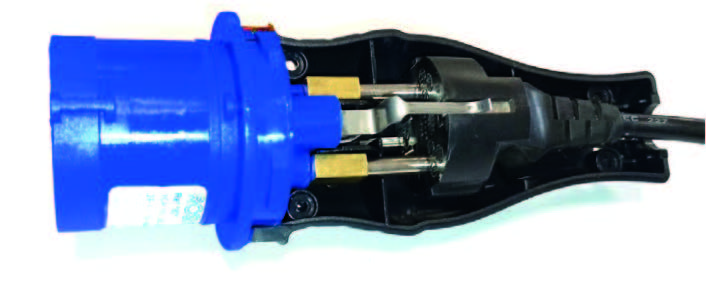
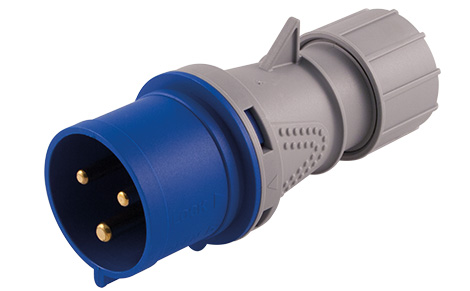
To prevent potentially fatal connection errors, the international standard sets out a strict visual identification system based on colours. This colour coding lets the operator instantly recognise the operating voltage of the installation. Blue identifies 230V single-phase circuits, typical of hand-held power tools and portable lighting. Red, on the other hand, marks 400V three-phase current, essential for powering concrete mixers, cranes and large cutting machines. The internal architecture of industrial electrical plugs and sockets also features a "clock-position" contact system. The earth pin, physically thicker than the phase pins to prevent incorrect insertion, is placed at a specific point on the dial (usually at 6 o'clock for standard formats) depending on voltage and frequency. This geometric constraint makes it mechanically impossible to mate elements designed for incompatible voltages or amp ratings.

The B2B range of electrical plugs and sockets: safety and display

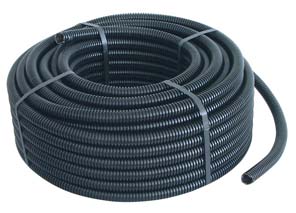
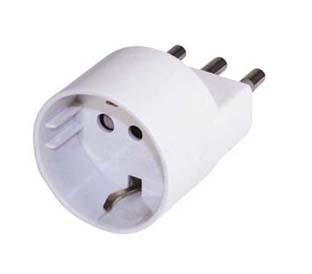
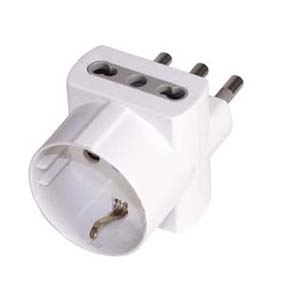
From a commercial and logistics standpoint, managing temporary electrical equipment is a strategic opportunity for the B2B distributor. Keeping a complete range of rewireable spares, from 16A formats up to high-amperage industrial versions (32A and 63A), ensures a steady flow of technical purchases from contractors. Applying the Progetto Rivendita 2.0 guidelines, these items should be placed in the showroom according to a strictly functional logic. Positioning electrical connectors right next to site distribution boards, heavy-duty neoprene extension leads and the heavy power tools section actively encourages cross-selling. An orderly display of certified components and adaptors increases the order value and positions the hardware store as a supplier able to offer immediate, compliant solutions.

Frequently asked questions

What is the practical difference on site between an IP44 and an IP67 connection?

IP44 protects the contacts from rain splashes and coarse solid debris, and is generally sufficient for equipment used under cover or in sheltered areas. IP67 connections, by contrast, have a bayonet locking ring and internal seals that make them watertight; they are mandatory for cables left on the ground and exposed to temporary flooding, deep mud or pressurised water jets.

Is it compliant to use an adaptor from an industrial socket to a domestic (Schuko) plug in the rain?

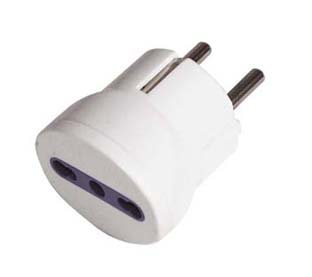
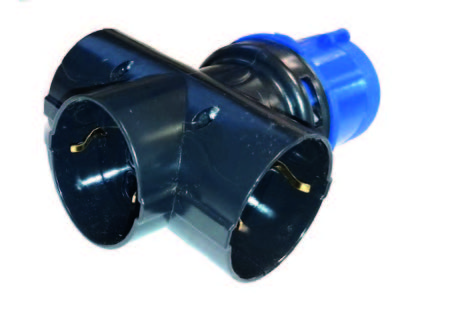
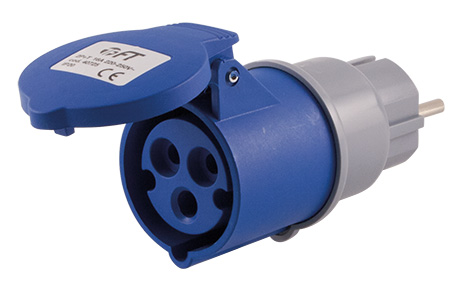
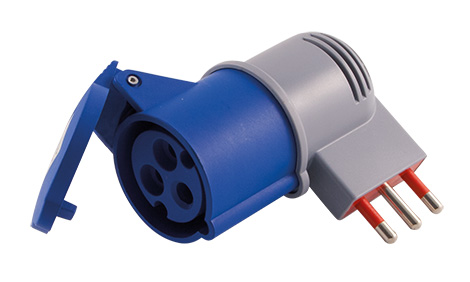
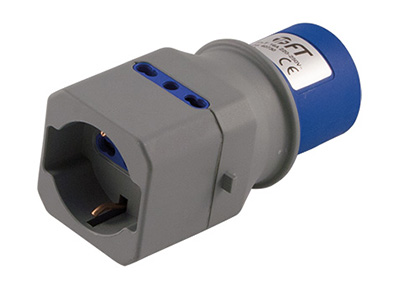
No, adaptors of this type never maintain a protection rating suitable for direct exposure to water. As soon as a domestic Schuko plug is inserted into an industrial adaptor, the protection rating of the system drops (usually to IP20), making the connection extremely dangerous in the rain because of the high risk of short circuit.

Why is the earth pin (the thicker pin) in different positions depending on the voltage?

This feature, known as "clock-position" placement, is a mechanical safety device (poka-yoke). By varying the position of the earth pin (e.g. at 6 o'clock for 230V and at 9 o'clock for other voltages), the plastic housing physically prevents the plug of a single-phase machine from being inserted into a three-phase socket, avoiding the instant destruction of the motor and serious electrocution hazards.

Do engineering-polymer outer housings withstand prolonged UV exposure without becoming brittle?

The materials used to manufacture electrical equipment certified to CEI EN 60309 are treated with specific additives to resist photochemical degradation caused by sunlight. Unlike commercial plastics, industrial polyamide retains its mechanical impact resistance for many years, even when constantly exposed outdoors.

Can a damaged plug on a professional power tool cable be replaced in-house?

Replacement is possible, but it must be carried out by qualified technical staff. It is essential to use a spare with electrical and mechanical characteristics and an IP rating equal to or higher than the original. Poor wiring or failing to tighten the cable gland invalidates the tool's compliance and the operator's safety.

How can accidental disconnection be avoided under the weight of very long cables?

To prevent accidental disconnection under tension, IP67 connections must be used. As well as being watertight, these plugs and sockets have a threaded locking ring (or bayonet lock) that mechanically joins the two housings. On IP44 versions, disconnection is prevented only by the spring-loaded flap, which engages on the dedicated lug on the plug.

Store Locator

Find your nearest FT dealer

Or write to info@ftspa.it for a tailored quote.

Stay up to date