



Types and profiles of ceramic cutting blades
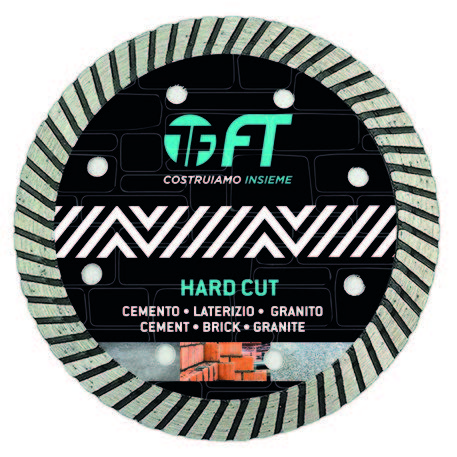
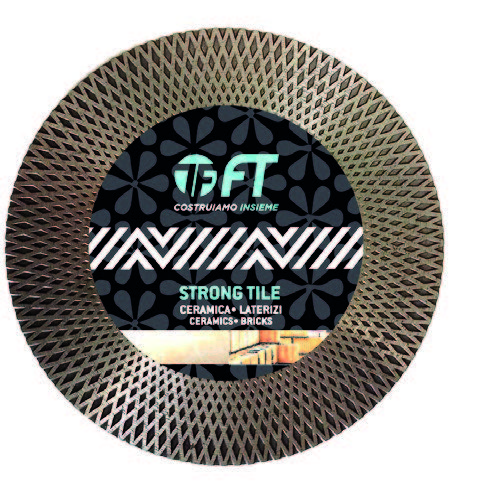
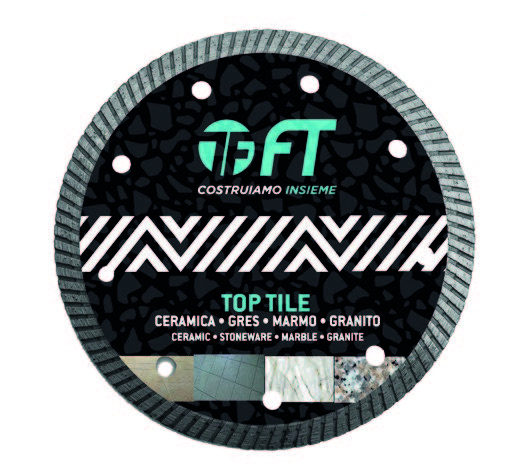
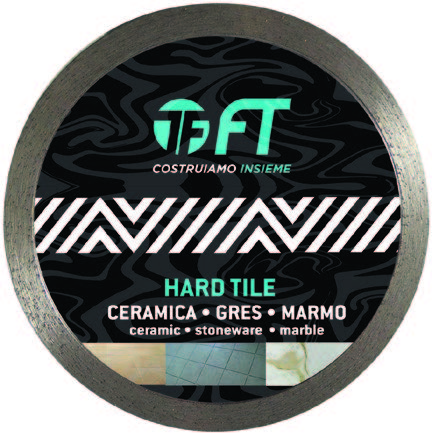
The geometry of the cutting edge directly affects finish quality and cutting speed. For the most fragile materials, or those with delicate, glossy glazes, the optimal solution is a continuous-rim diamond blade for ceramics. This design ensures constant, vibration-free contact with the workpiece, distributing mechanical stress evenly to eliminate the risk of chipping along the edges. For hard or thick materials such as modern porcelain stoneware, thin continuous-rim or micro-turbo geometries are preferred, designed to speed up the removal of abrasive dust and make the tool's penetration smoother.