ELECTRICITY

Site electrical panels: safe, compliant power for every phase of work

Electricity is the real driving force of any construction site, but it is also one of the main sources of risk for personnel. An unstable supply, combined with the use of non-compliant devices, inevitably causes machine downtime, irreparable damage to power tools and very serious electrocution hazards for operators. Site electrical panels are the primary infrastructure for managing, distributing and safeguarding the entire temporary electrical network, ensuring uninterrupted operation and complete protection for workers in every context.

For a specialist hardware store or B2B builders' merchant, supplying strictly compliant, tested electrical equipment is a matter of great responsibility and a powerful lever for customer loyalty. Stocking impact- and weather-resistant distribution boxes attracts the most established construction companies and demanding electrical contractors. This secures high margins for the retailer and encourages natural cross-selling with industrial extension leads, power adaptors and heavy-duty power tools, positioning the store as an utterly reliable technology partner for structural supplies.

Components and durability of site electrical panels

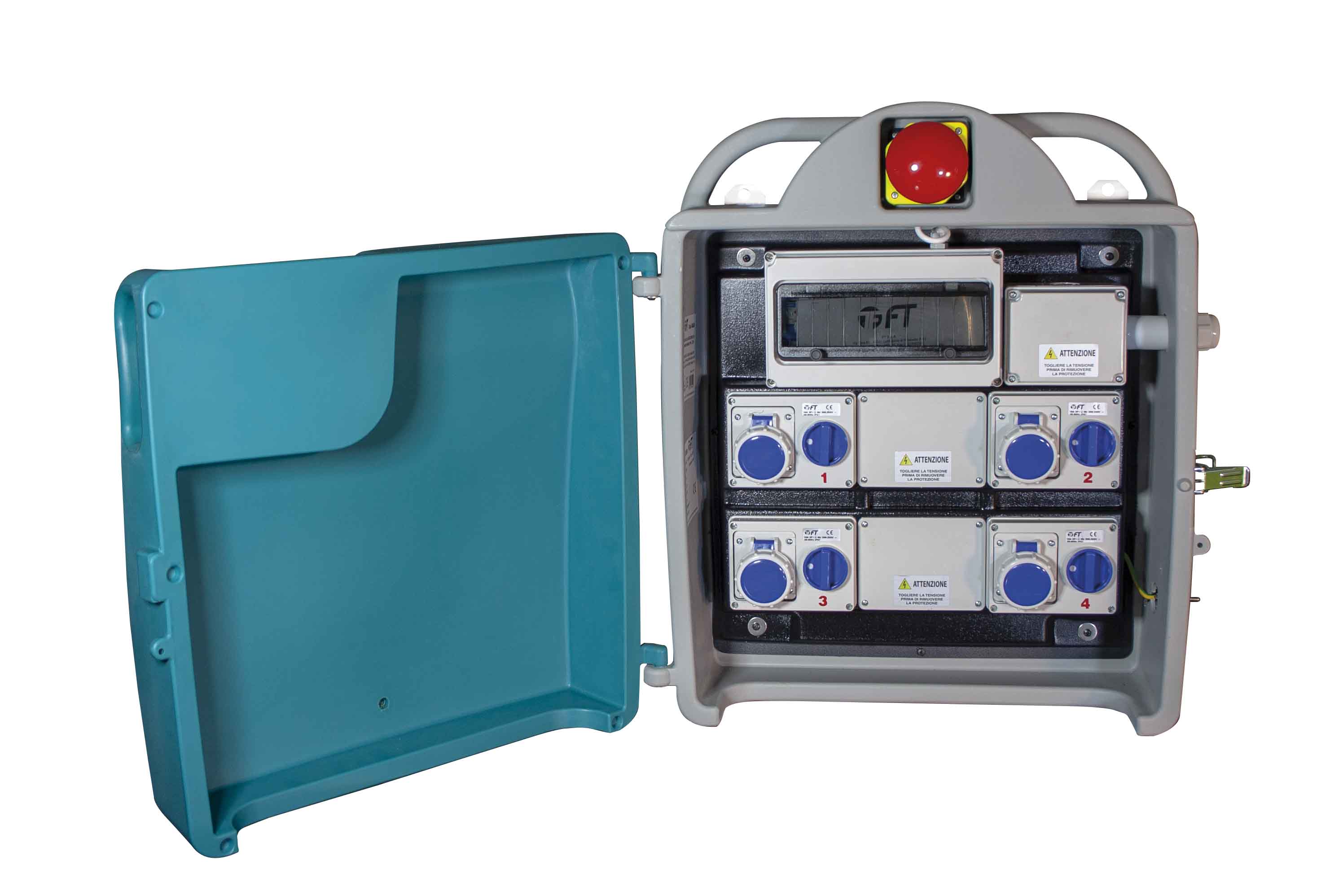
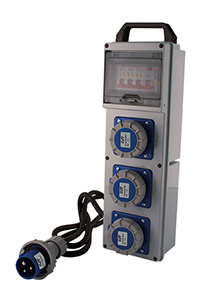
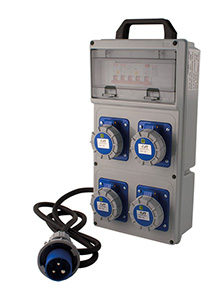
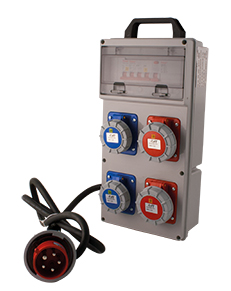
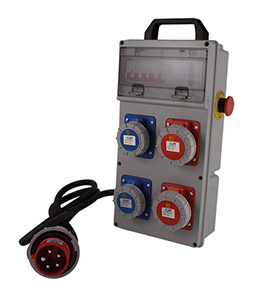
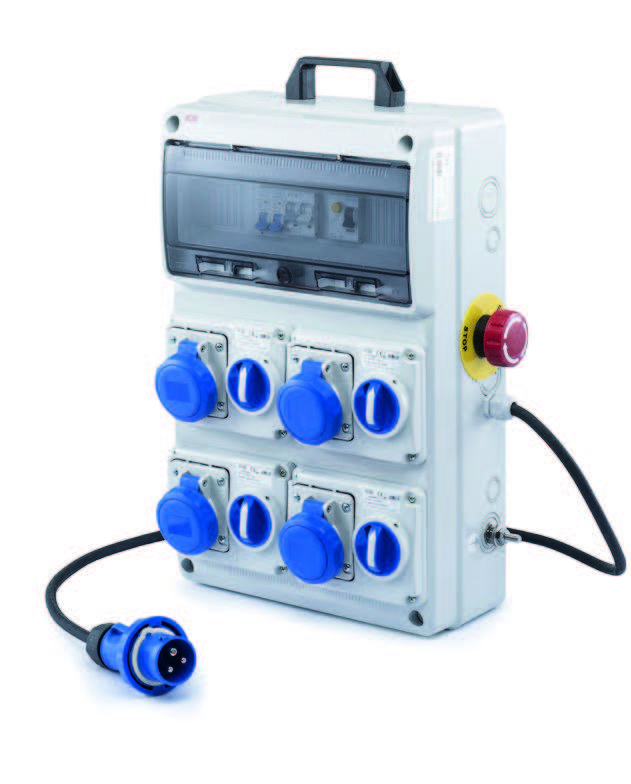
The construction environment subjects equipment to extreme thermal and mechanical stress. To prevent breakage or dangerous short circuits, the outer casing must be moulded from special engineering polymers with high resistance to accidental impact and prolonged exposure to sunlight. A crucial technical aspect is the IP rating, which must ensure that the internal wiring is hermetically sealed against fine dust, mud and splashing water or driving rain. Within the range, the classic 220V site electrical panel is the most widespread standard single-phase solution, an essential element for safely powering the vast majority of hand-held tools, such as drills, mixers, angle grinders and circular saws.

Operational reliability: the importance of a certified site electrical panel

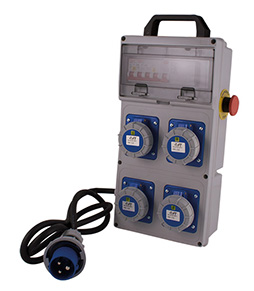
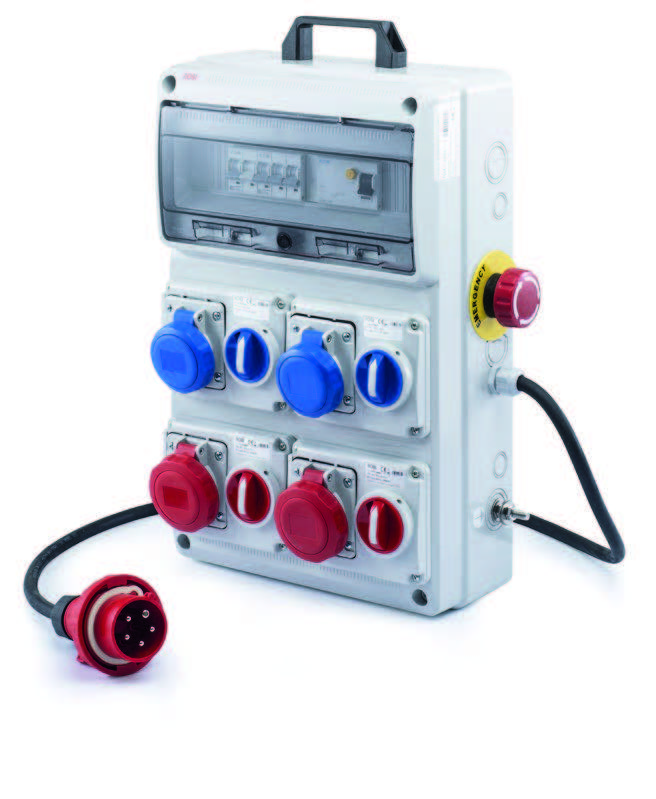
The safety of the temporary installation depends entirely on the quality of the built-in protective components. Standard equipment requires miniature circuit breakers, to prevent prolonged overloads on the lines, and high-sensitivity residual current devices, essential for detecting earth leakage and instantly isolating the circuit if an operator makes accidental contact. Another indispensable element is the mushroom-head emergency stop button, clearly visible and easily accessible, which allows the supply to be shut off completely and immediately in dangerous situations. Relying on approved, factory-tested equipment protects the user company both in terms of accident prevention and during strict inspections by the safety authorities.

Certified Site Electrical Panels: logistics and display benefits for B2B

Power distribution equipment can be bulky and needs particular care when stored at the point of sale. FT SPA supports its partner distributors with advanced logistics and fast deliveries direct from its central hub. This service makes it possible to fulfil larger orders without needlessly clogging the retailer's warehouse aisles. For in-store display, sturdy industrial shelving that keeps the units off the floor is particularly effective, protecting them from moisture and from knocks by trolleys. Clearly labelling each unit with its rating, available sockets and voltage (single-phase or three-phase) greatly speeds up self-service purchasing by professionals.

Frequently asked questions

What are the basic requirements for site electrical panels under current regulations?

The construction and assembly of this equipment (technically known as ACS – Assemblies for Construction Sites) is strictly regulated by standard CEI EN 61439-4. This standard imposes stringent requirements on mechanical strength, electrical insulation, IP rating and corrosion resistance, ensuring that the device is fit for the heavy-duty use typical of construction.

What IP rating is essential for a panel used outdoors in all weathers?

For installation outdoors and exposed to the weather, a minimum IP44 rating is required, protecting against solid objects larger than 1 mm and splashing water. For particularly demanding sites, devices rated IP55 or IP65 are recommended, as they are fully protected against fine dust and direct water jets.

What is the practical difference in use between a single-phase and a 380V/400V three-phase unit?

Single-phase units (230V) are used to power standard power tools, temporary lighting and small machinery. Three-phase versions (400V) are designed to deliver much higher industrial power, strictly necessary to run heavy equipment such as tower cranes, large concrete mixers, plastering machines and submersible pumps.

How often must the residual current devices on the panel be tested?

Basic workplace safety guidance recommends that the contractor regularly checks the efficiency of the residual current devices, usually by pressing the dedicated "T" (Test) button once a month, to make sure the life-saving trip mechanism works correctly in the event of a real earth leakage.

How can I display these devices in my store without cluttering the aisles while keeping them intact?

The best solution is shelving with reinforced shelves, placing the heaviest units on the lower levels and compact portable versions at eye level. This layout prevents accidental damage from forklift impacts and lets customers check the type of switches without having to open the primary packaging.

Do you handle fast deliveries if one of my contractor customers urgently needs a replacement unit?

Absolutely. Our logistics infrastructure is designed to ensure prompt order fulfilment nationwide. This allows the distributor to supply replacement equipment to the site quickly, avoiding costly work stoppages for contractors waiting for a power connection.

Store Locator

Find your nearest FT dealer

Or write to info@ftspa.it for a tailored quote.

Stay up to date