ELECTRICITY

Site earthing: electrical safety and protection against indirect contact

The presence of water, heavy metal equipment and temporary distribution networks makes the construction site one of the environments most at risk of electric shock. An efficient earth electrode system is the only real guarantee that residual current devices will trip correctly when machinery develops a fault. A properly installed site earthing (grounding) system prevents dangerous indirect contact and safeguards workers' safety.

For a specialist hardware store or B2B merchant, supplying certified electrical safety components makes it possible to meet the needs of electrical installers and construction companies from the very first stages of site set-up. As these materials deteriorate in the ground, or are often left in place when work ends, they ensure the distributor a steady, continuous flow of sales. Selecting and offering galvanised or copper-bonded steel items that comply with stringent current regulations raises the store's authority, turning it into a strategic, reliable logistics partner for heavy construction purchasing.

Key elements of a site earthing system

The infrastructure needed for temporary safety in construction requires design that takes account of the chemical and physical characteristics of the soil. Dispersing fault currents into the ground is a legal requirement under Italian Legislative Decree 81/08 and is covered by technical standards, so as to ensure the prompt operation of the active protective devices upstream. The temporary system consists of a set of buried conductive elements firmly connected to one another. This network is designed to keep all exposed metal parts (such as scaffolding, cranes and site cabins) at the same potential as the ground, eliminating touch voltages that could be lethal to people in the event of an accidental electrical leak.

Types and driving of earth rods

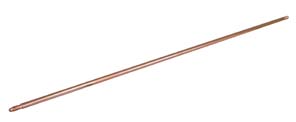
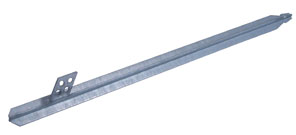
Vertical earth electrodes are the heart of the discharge system. The choice of profile depends closely on the compactness and resistivity of the soil. For normal or mixed soils, the classic round-section copper-bonded steel earth rod is frequently used, a component that combines excellent conductivity with considerable mechanical strength when driven deep. In particularly loose, sandy or gravelly soils, hot-dip galvanised steel cross-profile electrodes are more effective. Their lobed geometry greatly increases the contact surface with the soil, while also resisting galvanic corrosion caused by underground moisture and soil acids.

Secure connections: earthing cables and clamps

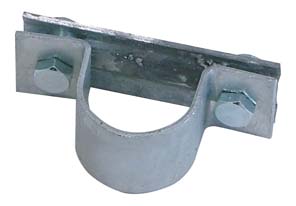
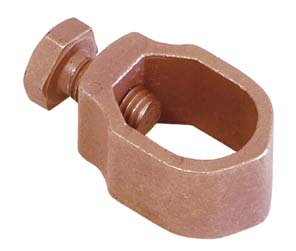
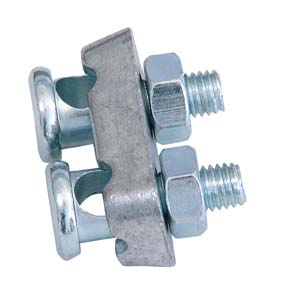
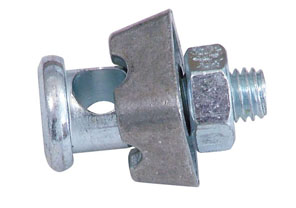
An earth rod, however perfectly driven and sized, is completely useless if the connection points are weak, loose or prone to rapid oxidation. Joints between the vertical electrodes and the main earth conductor require clamping components in brass or stainless alloys that maintain constant mechanical pressure over time. The connection to the main site switchboard is generally made with a sturdy bare copper braid or an insulated green-yellow cable with a cross-section suited to the load. These protective conductors must be firmly secured to withstand the normal vibration caused by passing site vehicles and the inevitable accidental pulling typical of work areas.

Logistics and in-store storage

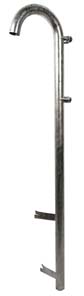
Metal components for electrical earthing, especially vertical rods, are long and heavy, which can complicate efficient warehouse organisation. FT SPA supports B2B retailers with fast deliveries direct from its logistics hub, reducing the space taken up by large on-site stocks and ensuring timely restocking during peak workloads. For display, vertical racks or tubular stands are very practical for storing metal profiles completely safely. For small connection parts, rigid compartment trays keep the department perfectly tidy, making it quick to find the right sizes and encouraging installers to shop independently.

Frequently asked questions

Which technical standard governs temporary electrical installations in construction?

The specific reference standard for construction sites is CEI 64-8/7 (Section 704: Construction and demolition sites). It sets strict requirements for the positioning of switchboards, cable laying and the coordination of active protective devices with the resistance of the earthing system.

What is the difference in use between galvanised steel cross-profile electrodes and round copper-bonded steel electrodes?

The cross profile maximises the dispersion surface and is the ideal choice for medium-to-high resistivity or gravel-rich soils. The round copper-bonded steel profile, on the other hand, offers excellent conductive properties and makes deep driving much easier in clay or very compact soils.

What minimum depth must an earth rod be driven to for correct dispersion?

Good practice requires the top of the vertical electrode (the head of the rod) to be at least 0.5 metres below ground level. This position protects the component from winter frost and from surface drying of the soil in summer, both of which would drastically reduce earthing efficiency.

How is the system's efficiency checked once the earth rods have been installed?

Once work is complete, a qualified technician must measure the earth resistance using a dedicated precision instrument (earth resistance tester). This field test certifies that the measured value in ohms is correctly coordinated with the tripping sensitivity of the installed residual current devices.

Can junction clamps be buried directly or do they need inspection pits?

Standards require all mechanical junctions between rods and main conductors to remain accessible for periodic maintenance checks. Consequently, connection points must be housed in dedicated inspection pits (usually concrete or traffic-rated PVC), keeping them accessible.

How can I display long, heavy items such as earth rods without obstructing the aisles of my hardware store?

We recommend vertical rack displays, preferably fixed along the store's perimeter walls or to the ends of industrial shelving units. This system holds the metal profiles upright, keeping walkways completely clear and preventing accidental falls.

Store Locator

Find your nearest FT dealer

Or write to info@ftspa.it for a tailored quote.

Stay up to date