Construction features and materials of the hydraulic manhole
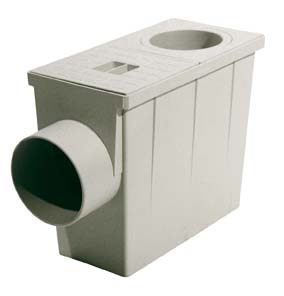
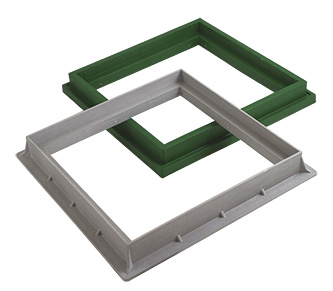
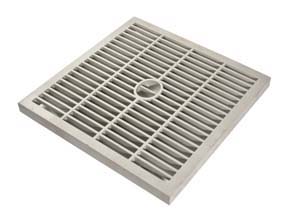
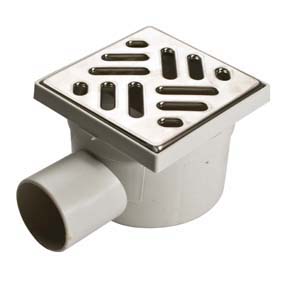
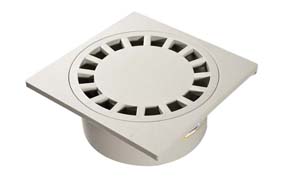
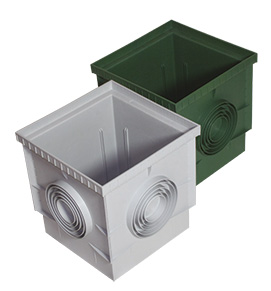
Underground infrastructures are subject to continuous stresses from soil pressure, surface vibrations and temperature changes. To cope with these mechanical stresses, the modern hydraulic manhole is designed with a ribbed outer structure. This geometry gives the unit high rigidity, preventing it from being crushed or becoming oval once buried. The most advanced models have walls with circular knock-out markings of varying diameters, designed to make it easier to connect pipes of different sizes. Using plastic manholes also ensures total immunity to corrosion caused by sewer gases such as hydrogen sulphide, which by contrast rapidly degrade traditional concrete units. The smooth inner surface of polypropylene eliminates roughness, preventing debris build-up, ensuring a smooth flow of wastewater and minimising the risk of blockages along the drainage line.