EQUIPMENT

Reinforcement accessories: structural precision and safety when pouring concrete

The durability and structural strength of a reinforced concrete structure depend entirely on the correct positioning of the steel cage inside it. Reinforcement that comes into direct contact with the formwork faces is bound to oxidise rapidly, triggering corrosion that irreparably compromises the stability of the building over time. Reinforcement accessories are the invisible but essential technical infrastructure that ensures the pour fully complies with the strict design calculations. These devices guarantee the correct thickness of protective concrete cover and, at the same time, safeguard the physical safety of operatives during the complex stages of site work.

For a builders' merchant or technical hardware store, structuring the supply of these items means tapping into the most vital phase of the build: the construction of the load-bearing structure. As they are expendable items and essential safety hardware, they generate very high stock turnover. Maintaining a consistent range ensures continuous repeat purchases, turning your store into the trusted supplier for construction companies that need proven materials and extremely punctual deliveries.

Ensuring cover with spacers for reinforced concrete

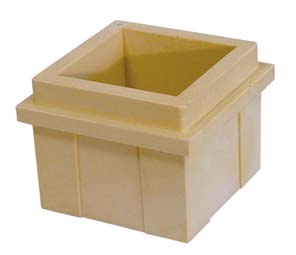
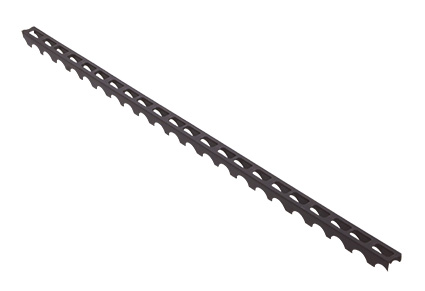
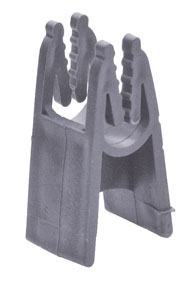
Meeting the minimum concrete cover over steel bars is a critical, non-negotiable parameter, strictly regulated by structural design standards (such as Eurocode 2). To keep the steel at the right distance from the outer formwork, plastic or concrete elements calibrated to the millimetre are indispensable. A classic plastic rebar spacer stops the steel cage from bending and sagging under the weight of operatives or the pressure of fluid concrete. On horizontal slabs and large industrial floors, the optimal technical solution is linear spacers, rigid extruded profiles that provide continuous, stable support for welded mesh and drastically speed up installation.

Accident prevention and rebar safety caps

Safety within the work area is a categorical imperative strictly governed by Italy's Consolidated Act on Occupational Health and Safety (Legislative Decree 81/08). Exposed steel, especially vertical bars awaiting the pour, is one of the main causes of impact and impalement injuries on site. It is therefore mandatory to neutralise the sharp ends of the steel with dedicated safety devices. Mushroom safety caps, made of high-visibility plastic polymers, fit firmly onto the tops of vertical starter bars. These devices signal the hazard visually and provide a rounded, blunt impact surface, making the walkway safe during the inevitable breaks in work between one pour level and the next.

Logistics supply and consumables for reinforcement

To optimally manage bar alignment inside vertical formwork (when building columns and walls), the market demands specific devices that keep the spacing unchanged without slipping during the complex concrete vibration stage. Wheel spacers clip directly onto the bars, allowing the timber or steel formwork to slide along the outside and ensuring uniform cover on all four sides. For the B2B distributor, regularly handling these reinforcement consumables means organising retail space for items that are light but bulky. In terms of display, stackable wire baskets or large open-fronted bins are a highly strategic choice. This configuration keeps small items clean and tidy, clearly separated by size, and makes self-service easy for steel fixers. FT SPA's logistics infrastructure actively supports retailers by handling fast shipments of bulky batches directly on pallets.

Frequently asked questions

Why is it essential to use a plastic rebar spacer rather than makeshift items such as stones or wood?

Using wood or stone packers is strictly prohibited by current technical standards. Wood in contact with moisture rots, creating structural voids, while smooth stone does not bond properly with the concrete. Plastic, on the other hand, is an inert material that does not trigger corrosion and guarantees certified, millimetre-accurate cover.

What is the main difference in application between wheel spacers and linear spacers?

Wheel models are specifically designed to clip onto vertical reinforcement (such as columns and retaining walls), ensuring the correct distance from the sides of the formwork. Linear profiles, on the other hand, are designed for the horizontal support of mesh and bars over large flat surfaces, such as slabs and raft foundations.

How should vertical starter bars be made safe during breaks in work on site?

To comply with construction safety regulations, all bars protruding from a partial pour must be covered with dedicated safety caps (mushroom caps). This procedure prevents very serious impalement injuries if operatives accidentally fall from height or simply trip at ground level.

Are plastic mushroom safety caps reusable across several sites?

Generally, yes. As they are made of polymer materials resistant to mechanical impact and UV rays, provided they show no obvious breakage or plastic deformation, they can easily be pulled off when the next pour begins and reused to protect new areas of the site.

What display solutions do you suggest for managing loose, bulky items such as spacers in the shop without creating clutter?

We recommend avoiding floppy plastic sacks left on the floor and using instead sturdy stackable industrial wire-mesh baskets or shelving fitted with large rigid open-fronted bins. This solution optimises floor space, separates sizes effectively and makes life easier for trade customers.

Do you handle fast shipping of full pallets to support supplies for complex structural sites?

Our logistics organisation is set up precisely to process large-volume orders quickly. We ship full pallets at short notice so that merchants can promptly meet construction companies' substantial demand for expendable materials without overloading their own warehouses.

Store Locator

Find your nearest FT dealer

Or write to info@ftspa.it for a tailored quote.

Stay up to date