Catalogue

Professional lighting: the site floodlight for working safely

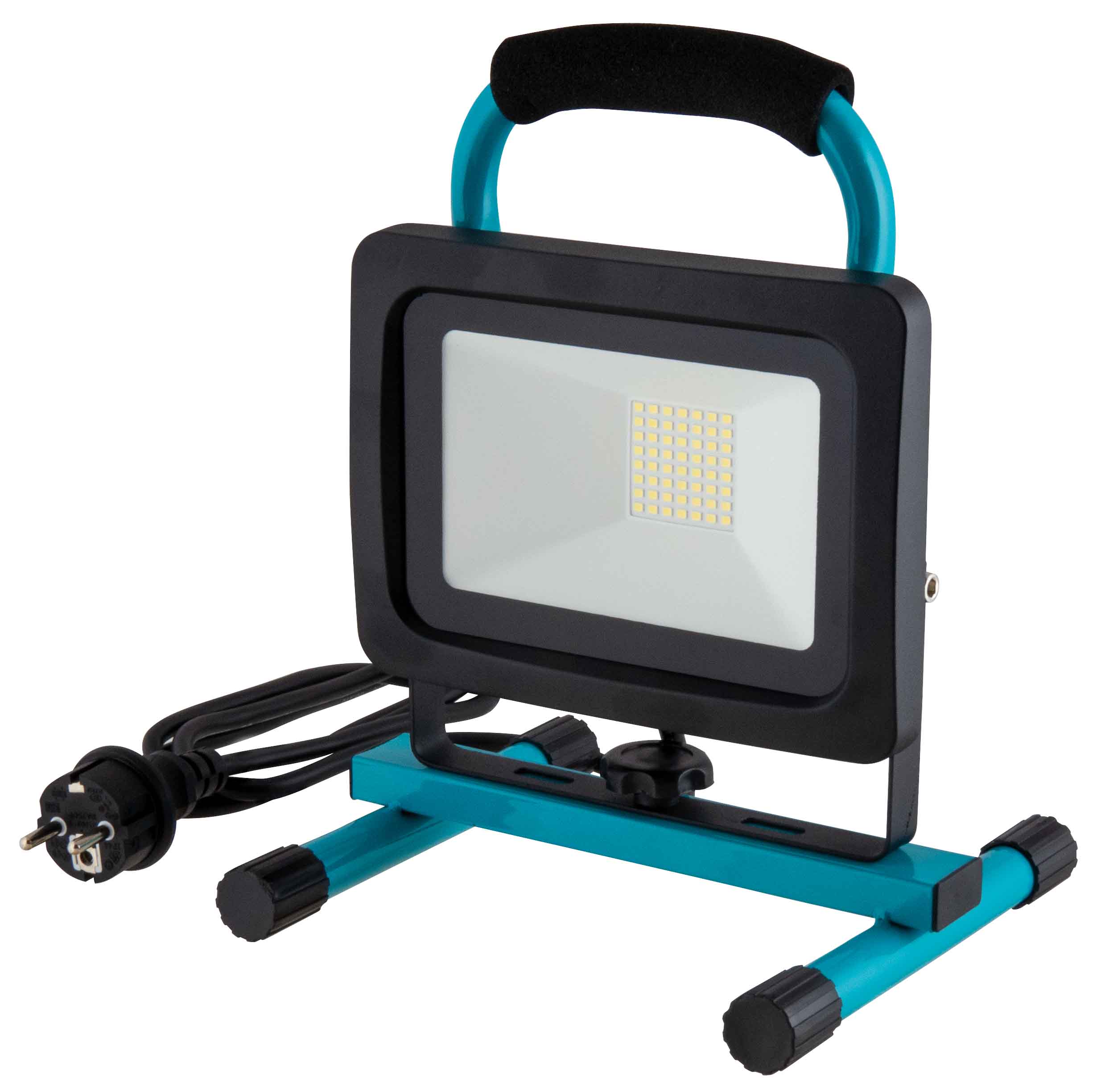
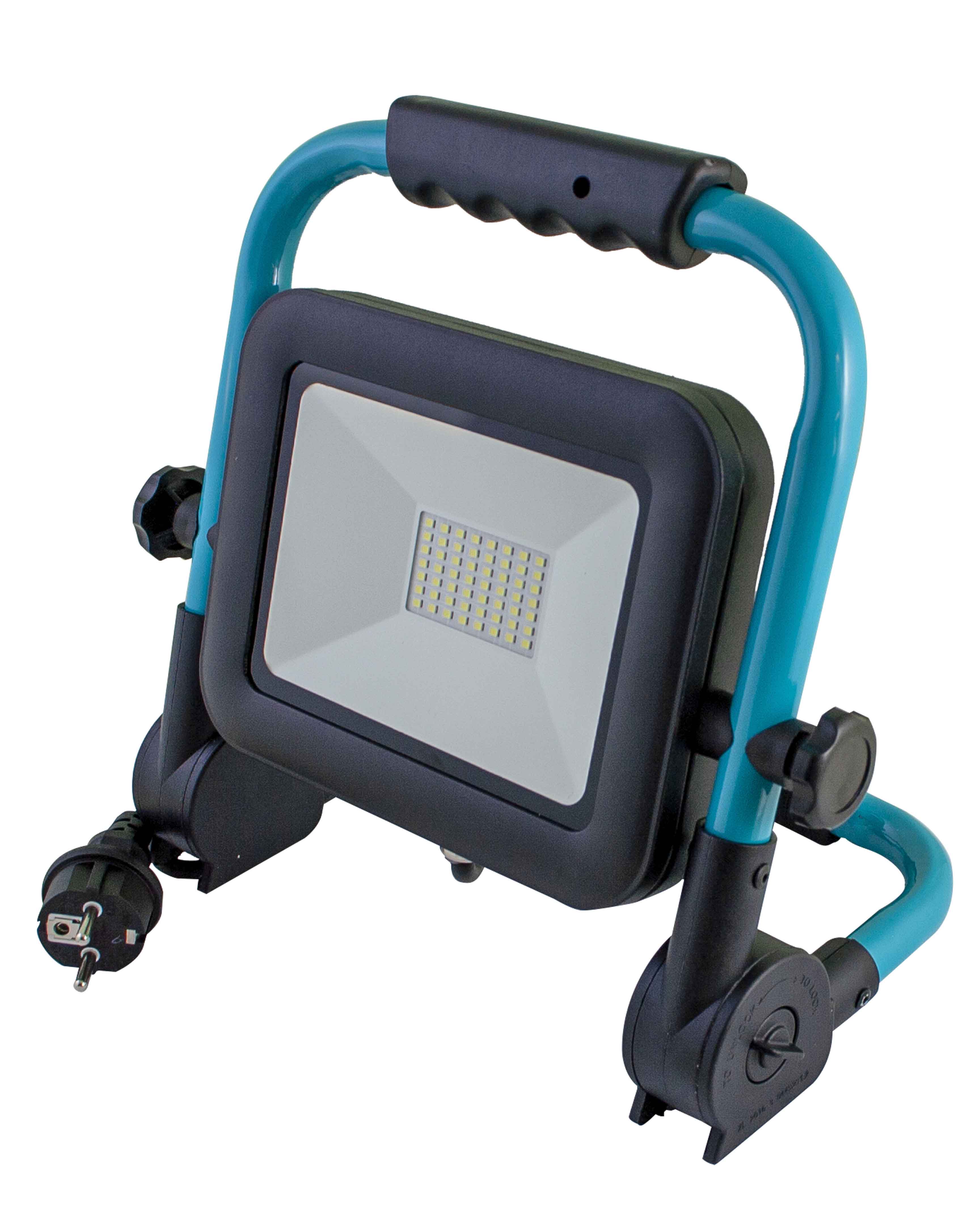
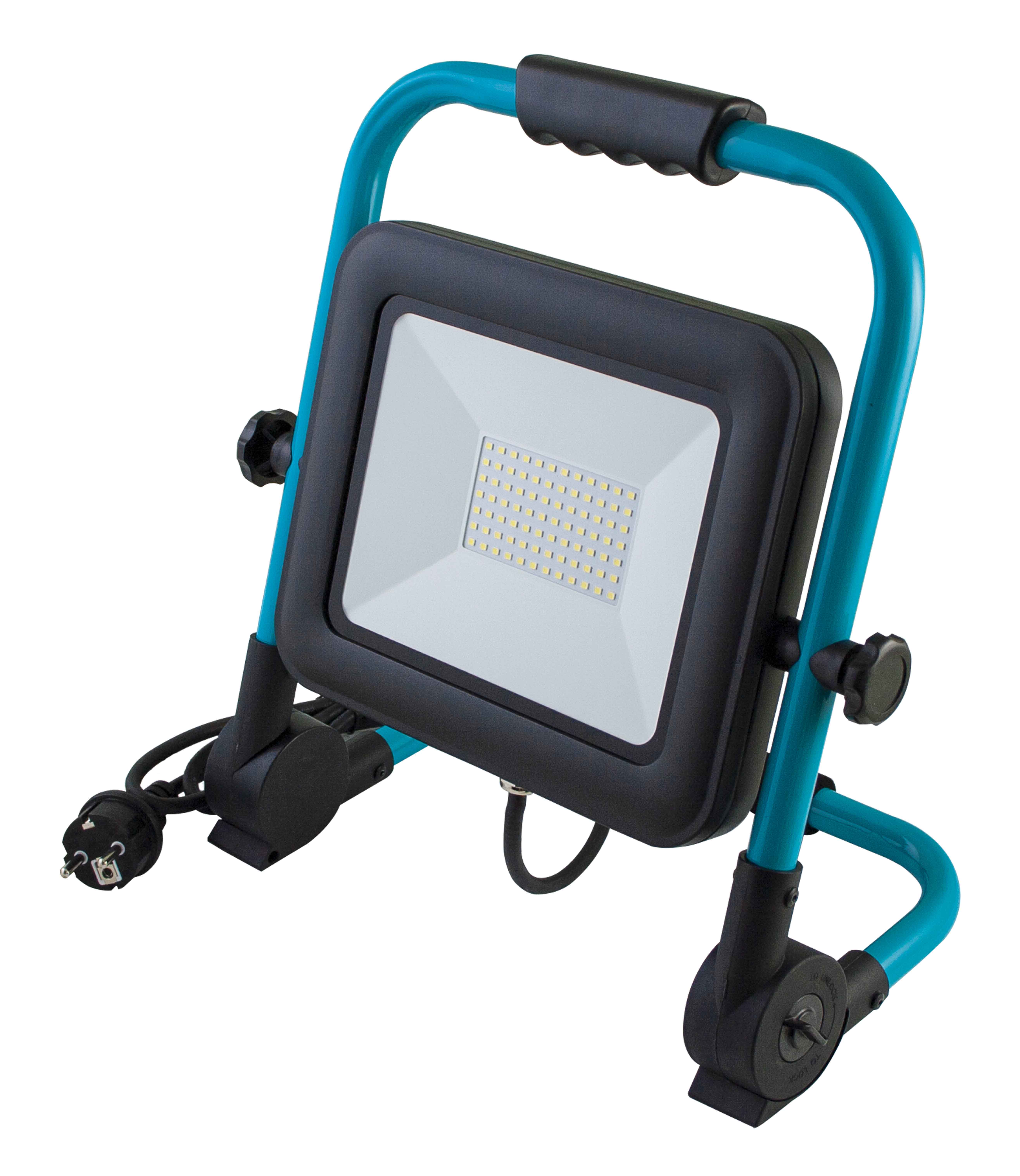
Artificial lighting in construction workplaces is not a mere accessory but a critical regulatory requirement to ensure safety and precision. During evening shifts, work in enclosed spaces without openings or winter months with little daylight, a suitable site floodlight prevents accidents and ensures masonry work is carried out correctly. For a trade hardware store or building materials supplier, offering professional lighting systems means meeting contractors' everyday needs and guiding them away from old, fragile halogen lamps.

Modern lighting devices must meet strict standards: withstand accidental impacts, avoid excessive heat to prevent burn risks and be sealed against dust and rain. Offering a certified, reliable range allows B2B retailers to protect end customers from fines, accidents and downtime, consolidating their role as technical advisers for safe site set-up.

Luminous efficiency and robustness of the LED site floodlight

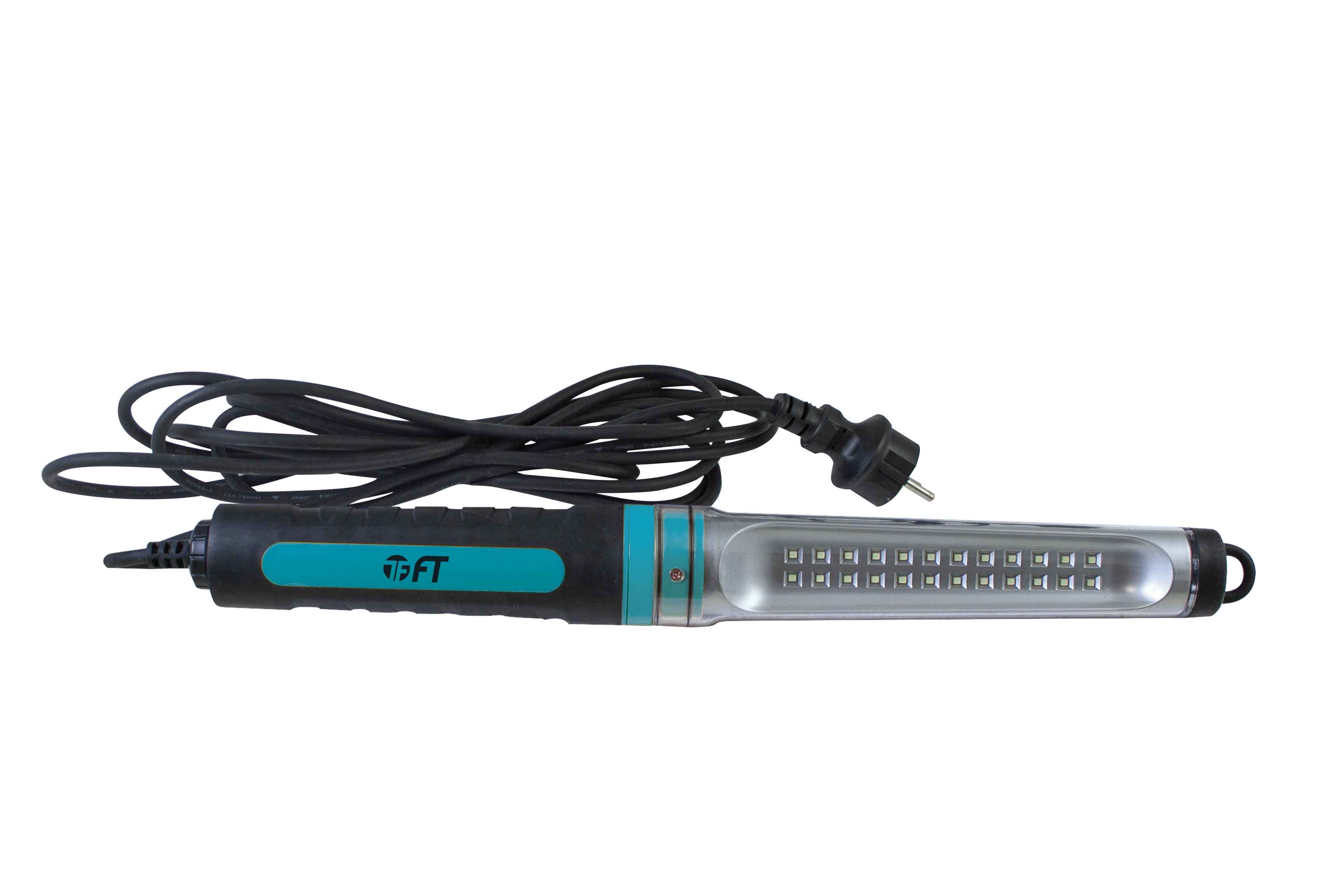
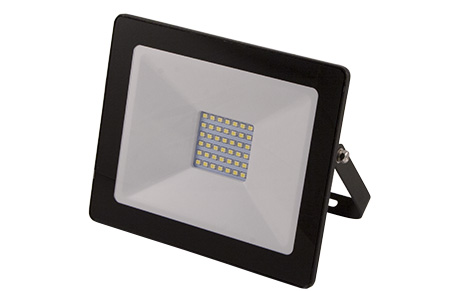
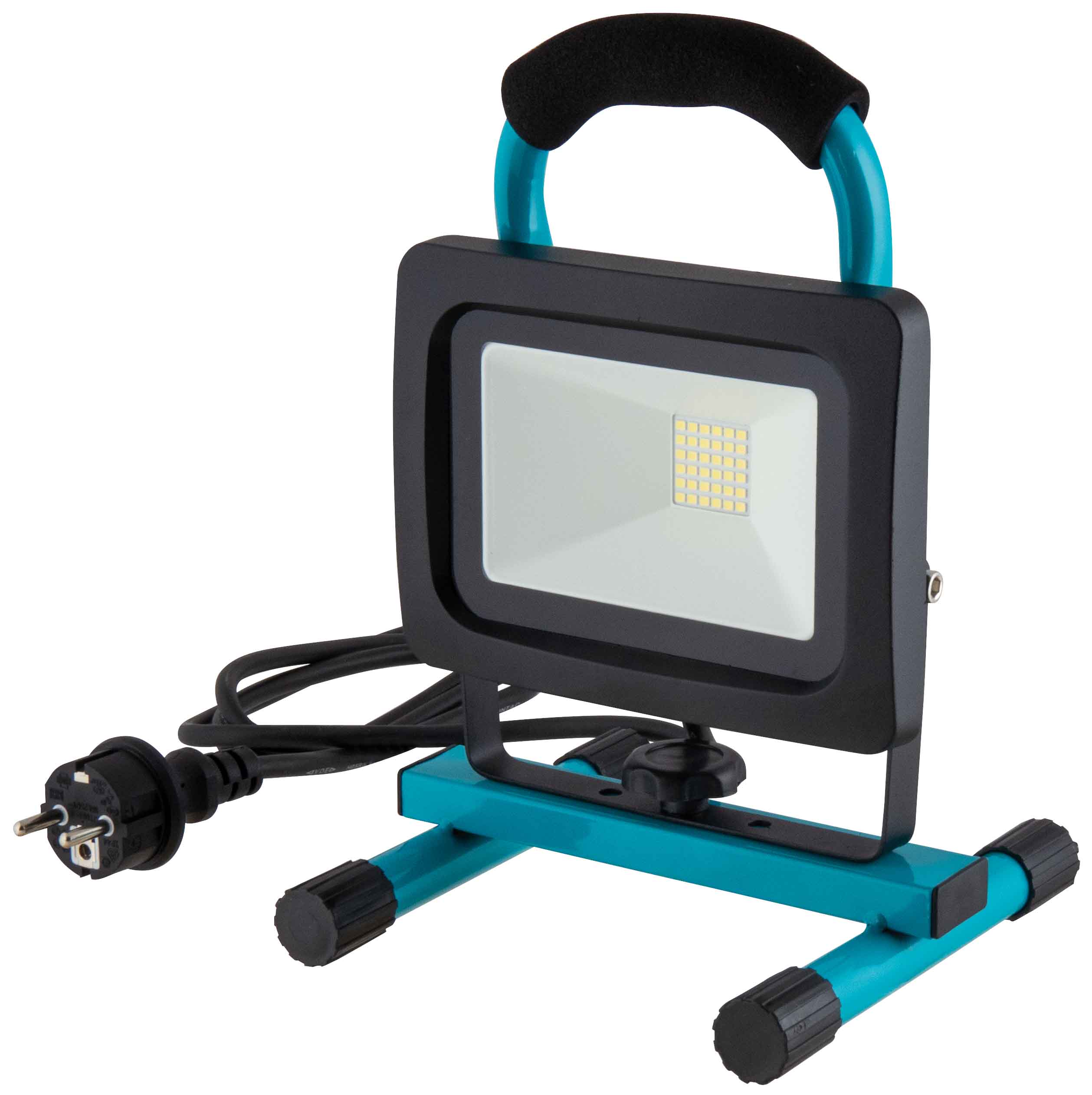
Technological developments have brought a paradigm shift in temporary lighting, making diode technology the primary engineering choice in construction. An LED site floodlight drastically reduces power consumption for the same luminous flux, considerably easing the load on temporary distribution boards and generators, which are often already at capacity. Besides energy efficiency, the industrial advantage lies in being maintenance-free: LED chips have none of the filaments prone to breaking under vibration typical of old lamps. Structurally, this equipment is housed in die-cast aluminium bodies combined with polycarbonate or tempered glass screens. This configuration ensures high mechanical impact resistance (expressed by the IK rating). For emergency teams or tradespeople working in confined spaces or on boards that are not yet live, the market offers portable site floodlights with rechargeable lithium batteries or integrated cables, combining compactness with instant readiness.

Positioning, wiring and versatility of the site floodlight

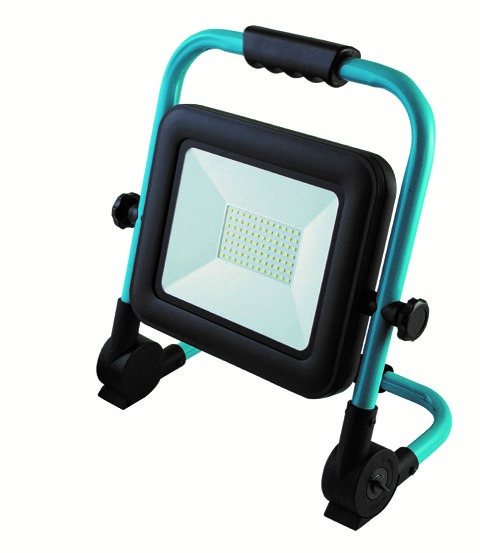
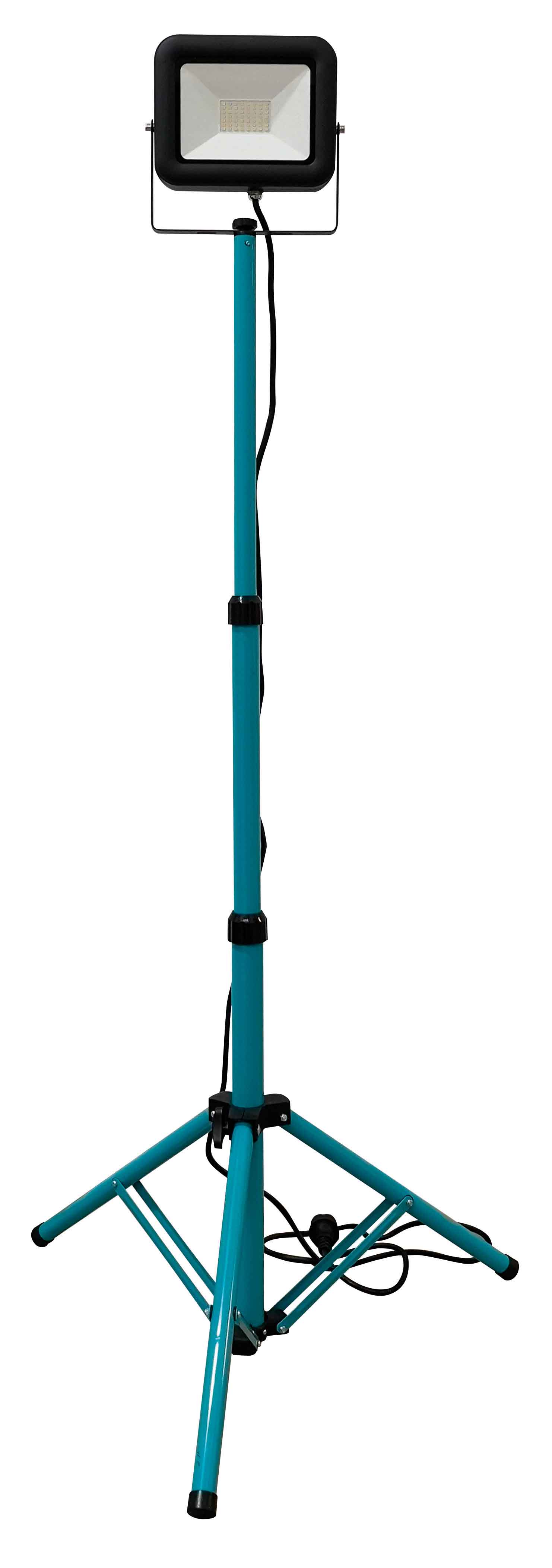
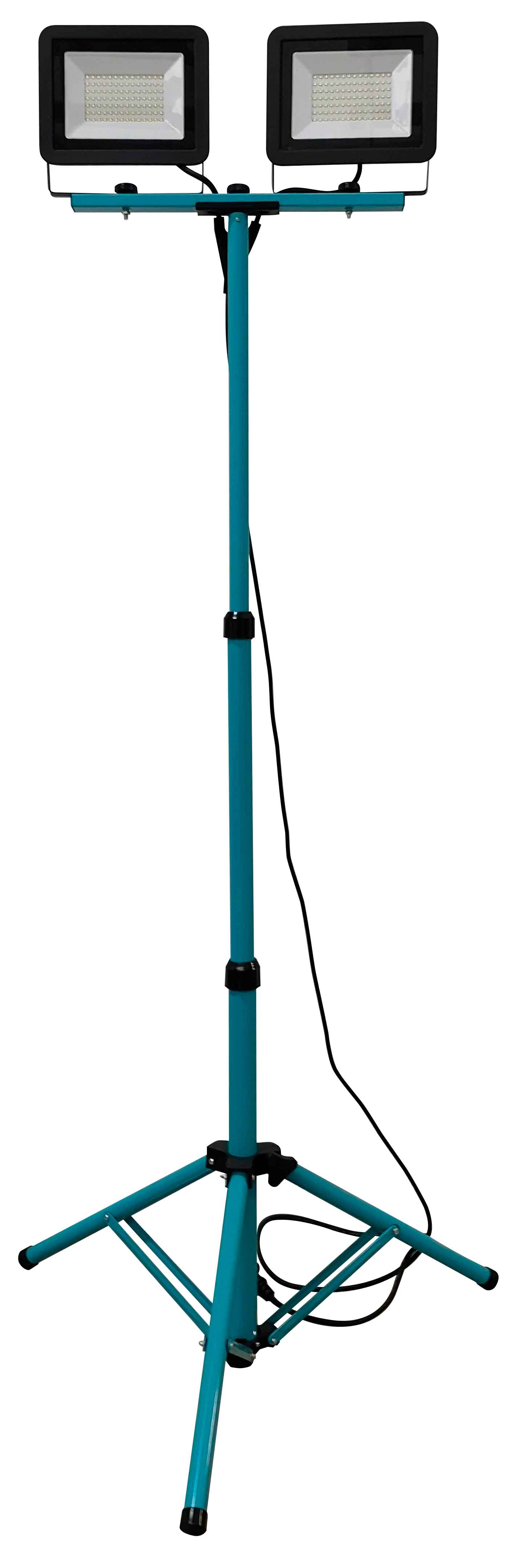
The effectiveness of lighting depends closely on the correct installation and positioning of the light fitting. A site floodlight is typically supplied with an adjustable metal U-bracket that allows it to be securely fixed to scaffold tubes using right-angle couplers. This fixed solution provides diffuse, constant light on the facades being worked on, essential for applying plaster or skim coats. For overhead lighting of large working areas, such as evening concrete pours or road excavations for utilities, a pole-mounted site floodlight is used. This configuration, often combined with sturdy telescopic galvanised steel tripods, raises the light source to a suitable height to avoid marked shadows and reduce glare off obstacles on the ground. The choice of wiring is just as crucial: equipment must be fitted with sealed cable glands to prevent the internal conductors from being pulled out.

Warehouse logistics and commercial opportunities for the retailer

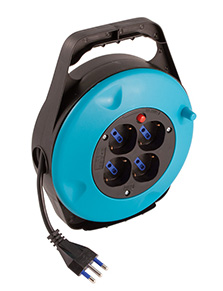
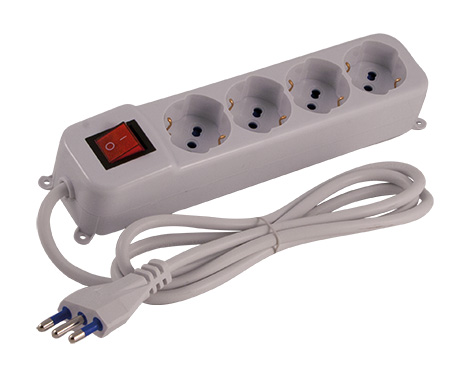
From a B2B distribution standpoint, solid-state lighting offers significant storage advantages. Compact packaging and the absence of fragile glass components make shelf stacking easier and eliminate accidental breakage in the warehouse. Integrating these devices into a Progetto Rivendita 2.0 layout, with dedicated display areas and lamps that can be tested at the counter, showcases the supplier's technical expertise. Strategic display also encourages cross-selling: selling the light fitting naturally drives sales of specialist cabling, watertight cable reels, portable ASC site distribution boards and industrial CEE adaptors. Offering turnkey solutions allows the hardware store to maximise the value of each order, providing contractors with a complete, safe lighting system ready for immediate use.

Frequently asked questions

What is the minimum IP rating required to use lighting systems outdoors in driving rain?

For prolonged outdoor use exposed to the weather, electrical safety standards require a minimum protection rating of IP65. This classification certifies complete protection against dust ingress (indicated by the number 6) and protection against low-pressure water jets from any direction (indicated by the number 5).

How many lumens are typically needed to light a 50 m² room properly during wall skimming?

High-precision finishing work, such as skimming or sanding plaster, requires an illuminance of about 300 lux on the working surface. For a 50 m² room, a total of around 15,000 lumens is needed, preferably positioned as raking light along the walls to highlight the inevitable flatness defects of the substrate.

Which colour temperature (in Kelvin) is recommended so as not to distort colours during interior painting?

For professional painting it is essential to use neutral or cool white light between 4,000 K and 5,000 K, with a high colour rendering index (CRI above 80). Lower temperatures (warm light) irretrievably distort the human eye's perception of colour, leading to serious errors in judging the application and coverage of enamels.

Can directional LED lighting systems pose a glare risk for crane operators or earth-moving machinery operators?

Yes, the concentrated, focused intensity of an LED beam can cause temporary disability glare. To prevent this serious accident risk for tower crane or excavator operators, the optics must be aimed downwards at an angle of no more than 20-30 degrees to the horizontal, or fitted with opal diffuser screens beforehand.

Is there a regulatory requirement for the type of power cable used outdoors with this equipment?

Yes, on outdoor construction sites, extension and power cables for mobile devices must be made of elastomeric rubber highly resistant to mechanical abrasion, oil and water. The mandatory technical designation is H07RN-F. Ordinary PVC-insulated cables (e.g. H05VV-F) are strictly forbidden as they stiffen and crack at low temperatures.

Store Locator

Find your nearest FT dealer

Or write to info@ftspa.it for a tailored quote.

Stay up to date