Catalogue

Formwork: precision and structural integrity for concrete pours

The collapse of a containment structure during pouring is one of the costliest mishaps on site: it causes major material waste, incalculable delays to delivery schedules and serious structural problems for the building. The perfect containment of fresh concrete, subject to very strong hydrostatic pressure, depends entirely on the strength and reliability of every single tie, clamp or spacer used in the formwork.

For professional hardware stores and builders' merchants, stocking this specific category of products ensures a solid, steady flow of sales. These are components subject to heavy mechanical wear and consumables that are absolutely indispensable for building foundations, retaining walls and above-ground structures. A complete technical range guarantees very high turnover and generates continuous traffic from contractor customers in the store. Supplying certified equipment for locking and striking strengthens the store's reputation, turning it into the go-to logistics partner for local construction companies and increasing the profitability of the technical area.

Clamping elements and formwork systems

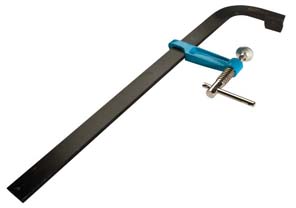
The primary goal during pouring is to contain the high pressure exerted by the fluid concrete mass. To ensure the perfect geometry of walls, professionals rely on spring clamps, threaded tie rods and plate nuts. These metal components ensure tight clamping of the formwork panels, whether made of plywood or with a metal frame. Calibrated, unyielding closure prevents grout leakage and maintains the dimensional tolerances set by the structural design, avoiding costly and complex repair or chiselling work once the concrete has cured.

Fixing and holding in column formwork

Building square or rectangular reinforced concrete columns requires specific locking solutions. The forces involved tend to push the formwork outwards under the weight of the material. Column clamps solve this technical problem. They are modular, adjustable metal elements designed to wrap around the entire perimeter of the column during pouring. Using these devices ensures the squareness of the structure, perfect verticality and secure holding even with self-compacting concrete, which generates higher internal pressures than traditional mixes.

Formwork consumables and accessories

As well as locking systems, the preparation phase requires a range of lost components and chemical products essential to a successful job. Spacers, made of plastic or fibre cement, ensure the correct positioning of the steel reinforcement, protecting the bars from oxidation. PVC plugs, cones and tubes let the tie rods pass through without being embedded in the concrete. A crucial step for the quality of the work is applying concrete release agents to the contact surfaces. These release agents, mineral- or vegetable-based, make striking easier, ensuring a smooth fair-faced finish and extending the service life of the timber or metal.

Benefits for specialist merchants and Progetto 2.0

Supplying small parts for formwork requires outstanding logistical responsiveness to keep pace with the tight schedules of construction. FT SPA assists its distributors with fast deliveries, making it possible to cope with seasonal demand peaks or sudden emergencies during pours without overloading the in-house warehouse. On the display side, loose nuts, wedges and clamps can easily become chaotic. Through the Progetto Rivendita 2.0 programme, the company provides wall modules and sturdy open-fronted bins. This rational organisation optimises the store's visual impact, makes self-service purchasing easier for contractors and streamlines shelf restocking for staff.

Frequently asked questions

Can spring clamps and metal tie rods be reused for several pours?

Yes, most metal clamping components are designed for repeated use. It is essential to clean off cement residue thoroughly after each striking and to check the integrity of the threads or the strength of the springs before reuse to ensure they hold.

What exactly do wheel or linear spacers do inside the formwork?

Spacers keep the steel reinforcement cage at the right distance from the formwork face. This ensures that the concrete covers the bars with the minimum thickness required by regulations (concrete cover), protecting them over time from rust and structural failure.

Are the column clamps supplied adjustable to suit columns of different sections?

Yes, they consist of perforated or slotted metal arms that interlock and are locked in place with special wedges. This modular system makes it quick to change the clamping dimensions, adapting to columns of varying section without having to buy a specific kit for each size.

Is release agent always recommended, even on new yellow timber panels?

It is an essential step. Even though new panels have a protective melamine resin layer, release agent prevents grout from sticking, makes striking much easier, protects the timber surface from water and ensures an even, stain-free finish.

How can I organise the display of such heavy and numerous small metal parts in my store?

The Progetto Rivendita 2.0 programme uses heavy-duty industrial shelving combined with impact-resistant plastic open-fronted bins. This system separates the various clamps, wedges and tie rods by type and diameter, making goods easy to pick without creating shelf clutter.

Do you guarantee fast deliveries if one of my contractor customers runs out of consumables during pouring?

FT SPA's logistics are organised to fulfil orders promptly nationwide. This allows the builders' merchant to cope with sudden stock-outs, supporting contractors on site with a fast, efficient service that avoids work stoppages.

Store Locator

Find your nearest FT dealer

Or write to info@ftspa.it for a tailored quote.

Stay up to date