Catalogue

Work hammers: professional tools for construction and carpentry

Manual striking on site calls for tools that are well balanced, safe and able to withstand prolonged wear in harsh conditions. Work hammers are the basic, irreplaceable equipment of bricklayers, carpenters, floor and tile layers and installers. For a builders' merchant or a technical hardware store, selecting and offering top-of-the-range items is essential to cut returns caused by accidental breakage while guaranteeing maximum operational safety for the end user.

The B2B technical market imposes strict selection criteria for this category. Striking heads must be made of forged, hardened steel, designed to withstand repeated impacts on hard surfaces without deforming. Equally critical is the fixing between the metal head and the handle, which must prevent any risk of the head coming loose during striking. Providing an in-depth range, from models for timber framing to equipment for light demolition, strengthens the store's position as a reliable supplier able to meet the precise ergonomic and performance needs of professionals.

Types of work hammer for the site and construction

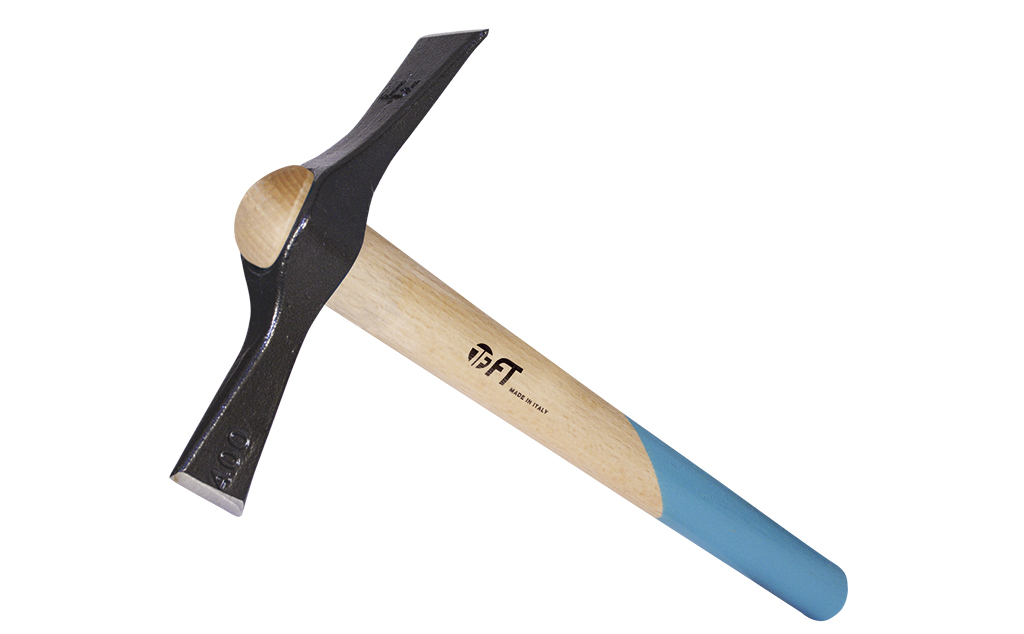
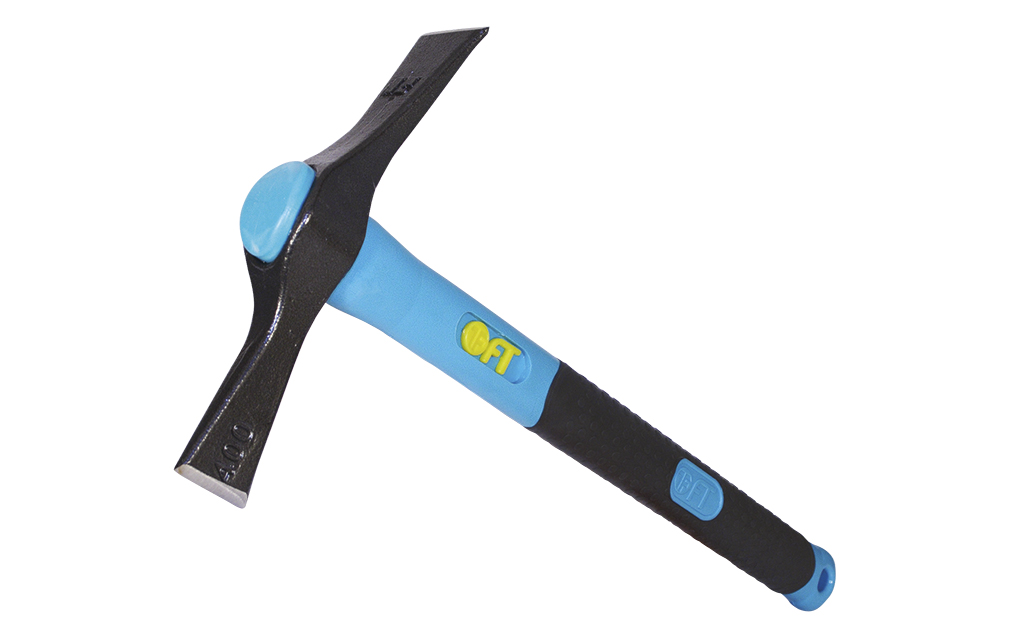
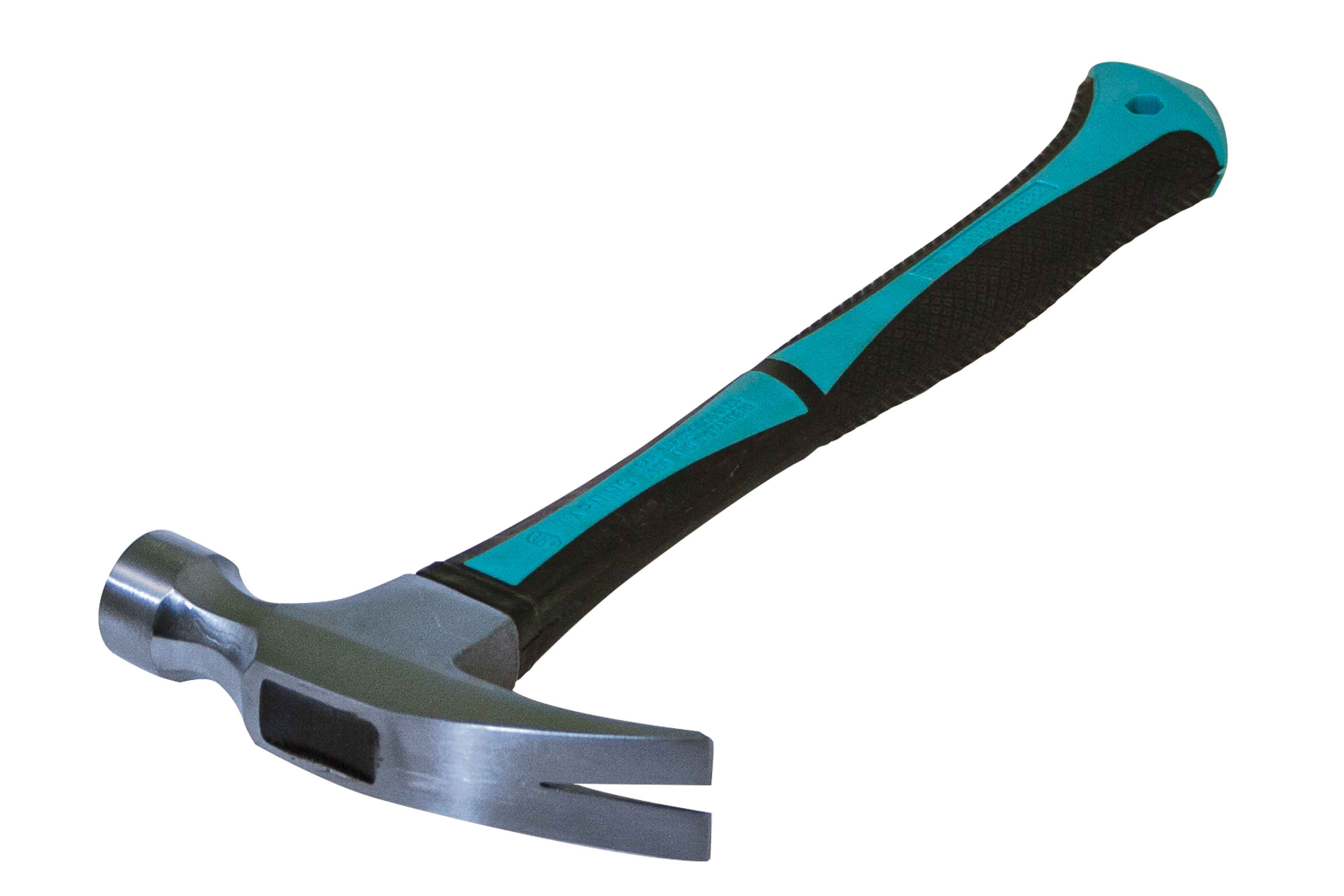
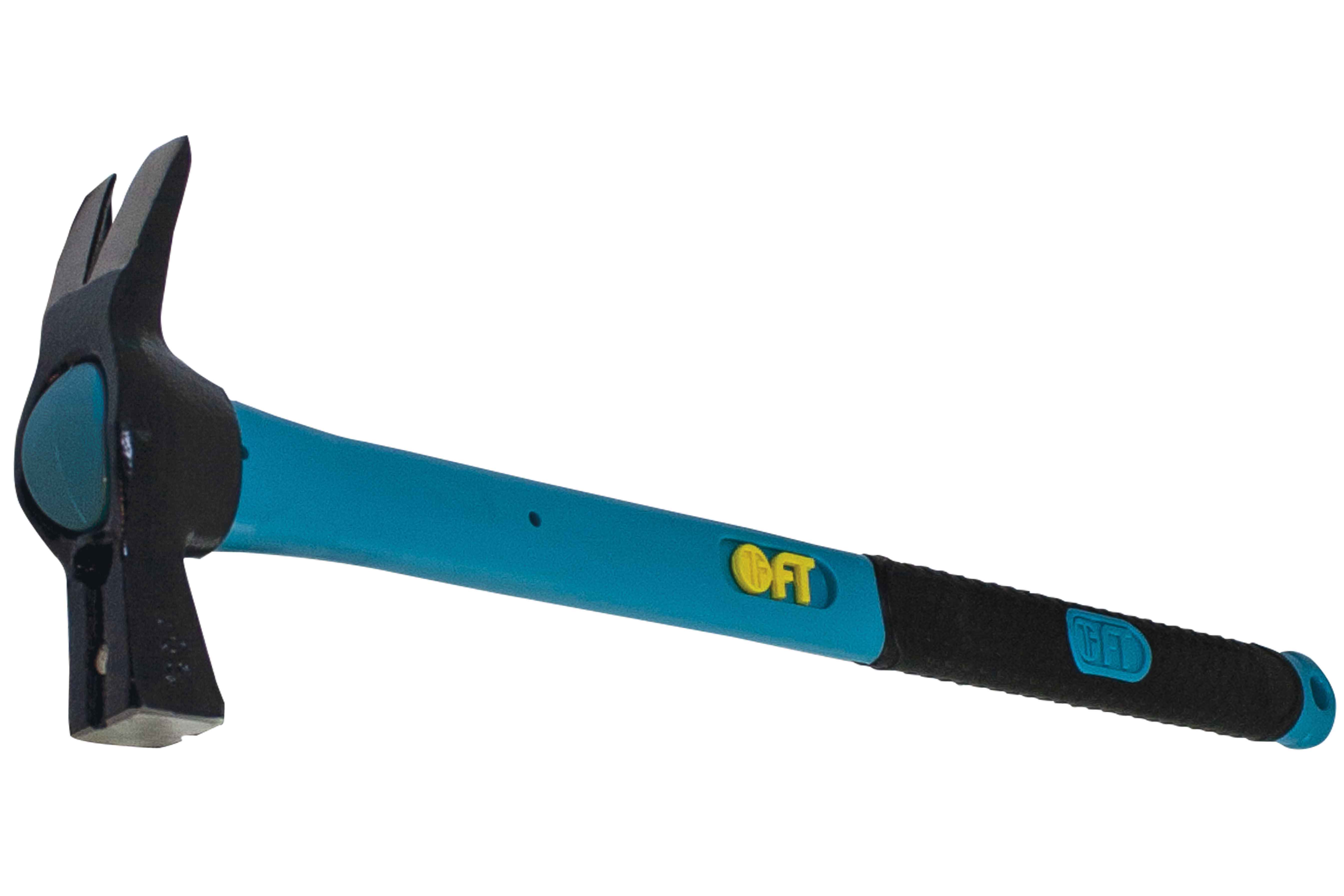
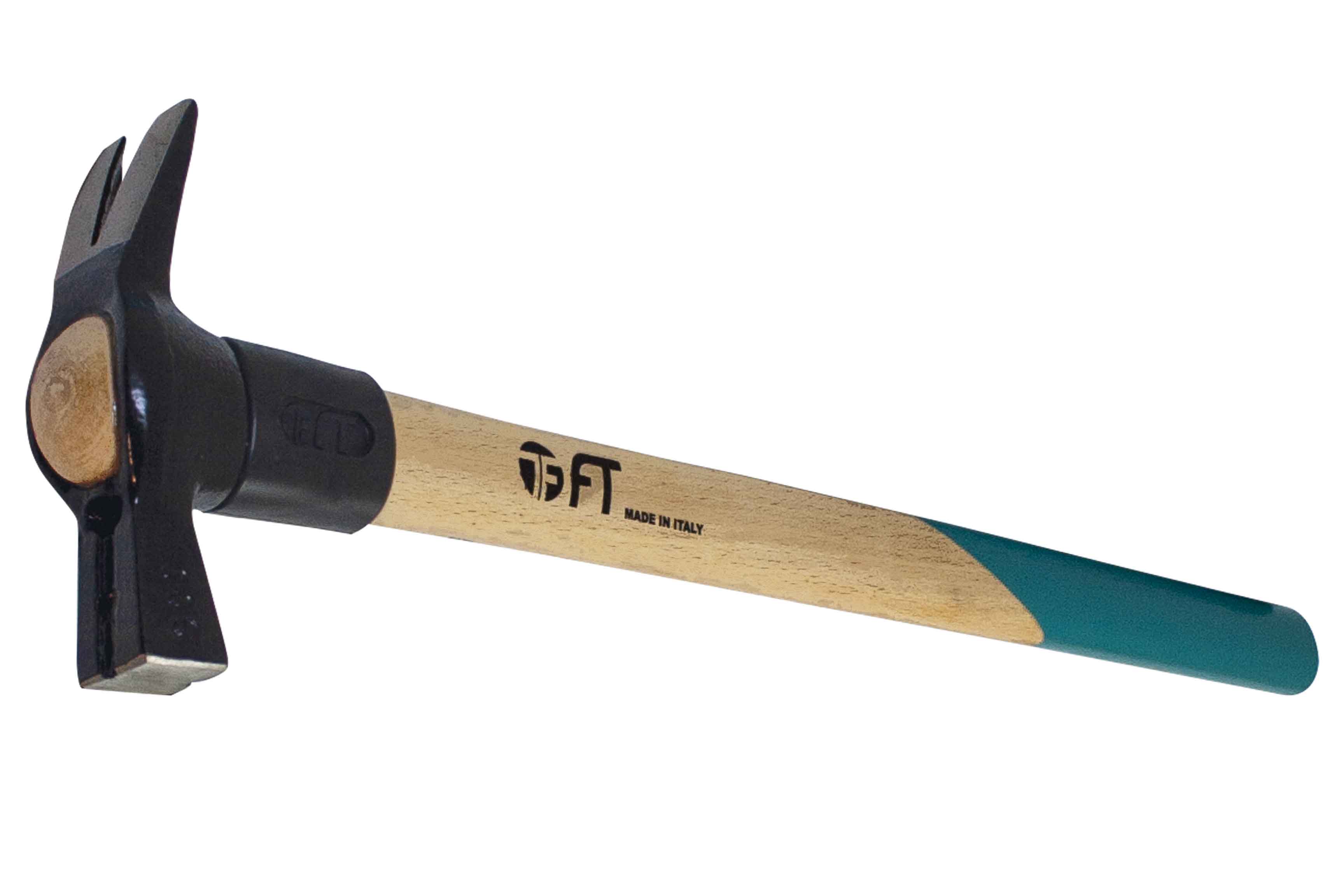
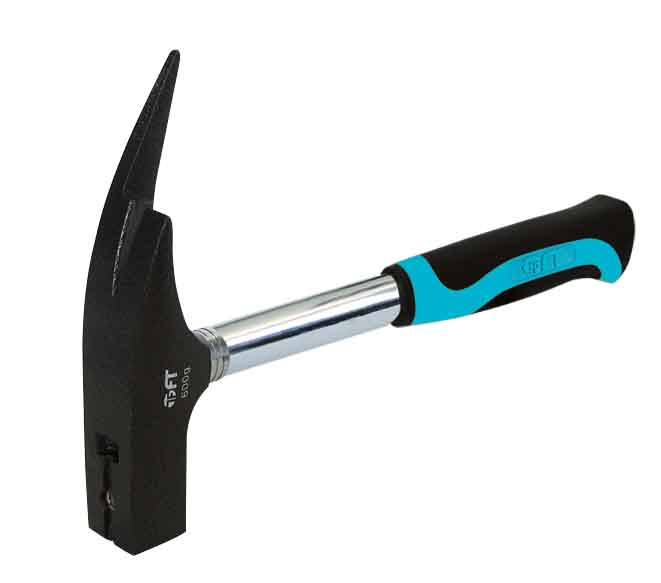
Every building task requires a specific face shape and a precise weight balance. Classic carpenter's hammers are distinguished by a straight or curved claw, specifically designed to pull nails and lever boards when stripping concrete formwork. The face of these models often has an anti-slip milled finish that stops it from glancing off the nail head when striking. For marking out, chiselling and light demolition, professionals rely instead on club hammers. These tools feature symmetrical heads with a square or slightly domed face, with weights generally ranging from 800 to 1500 grams to deliver the right kinetic energy. There are also specific versions for tilers and floor layers, fitted with white or black rubber faces, designed to bed in coverings without scratching or damaging delicate ceramic surfaces.

Technical features of the work hammer: materials and handles

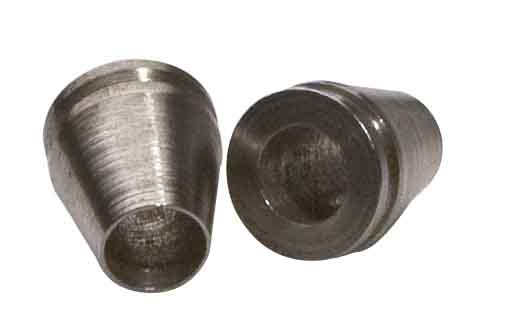
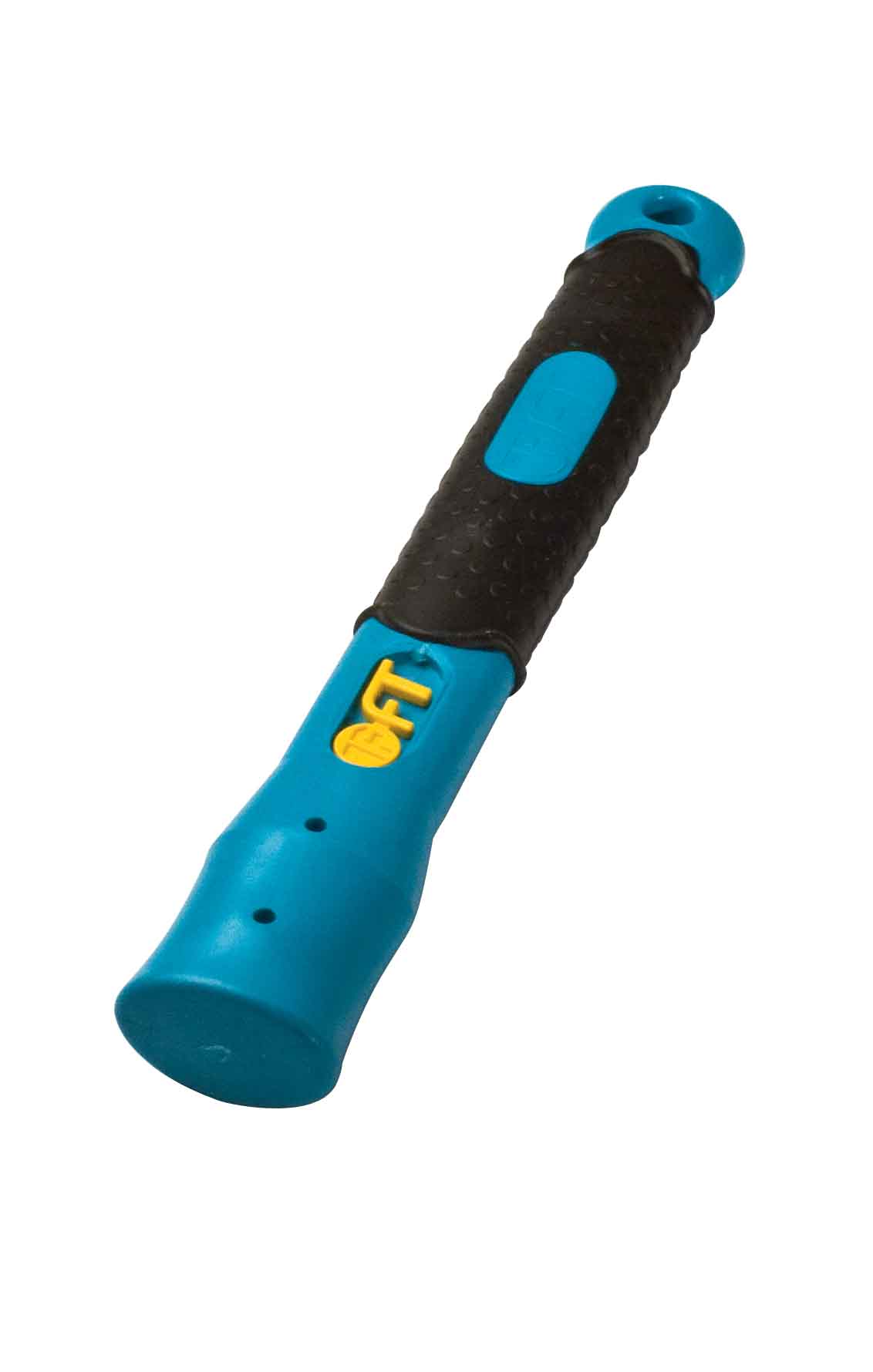
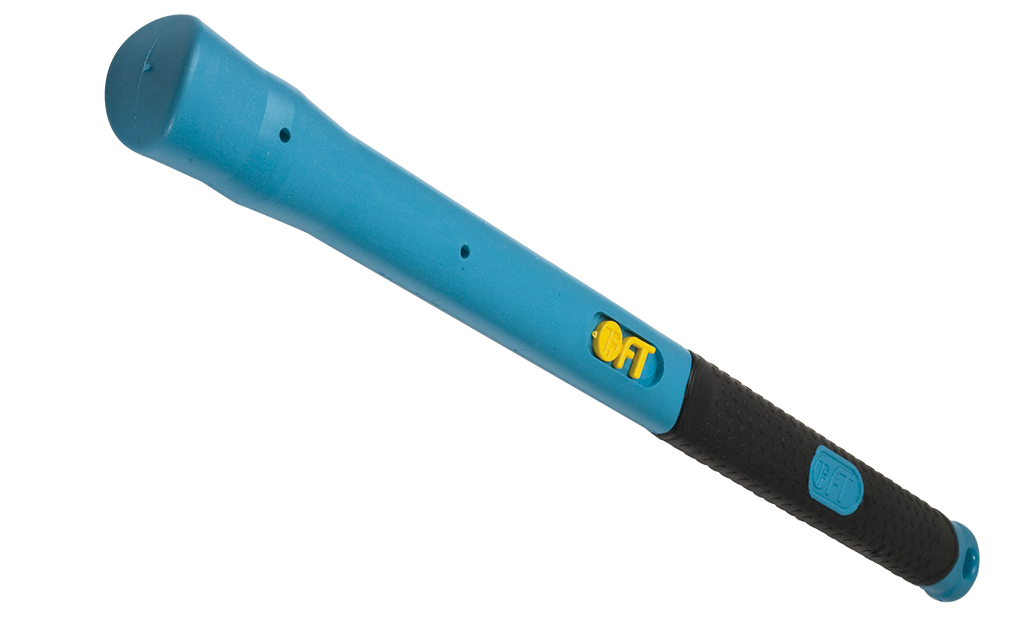
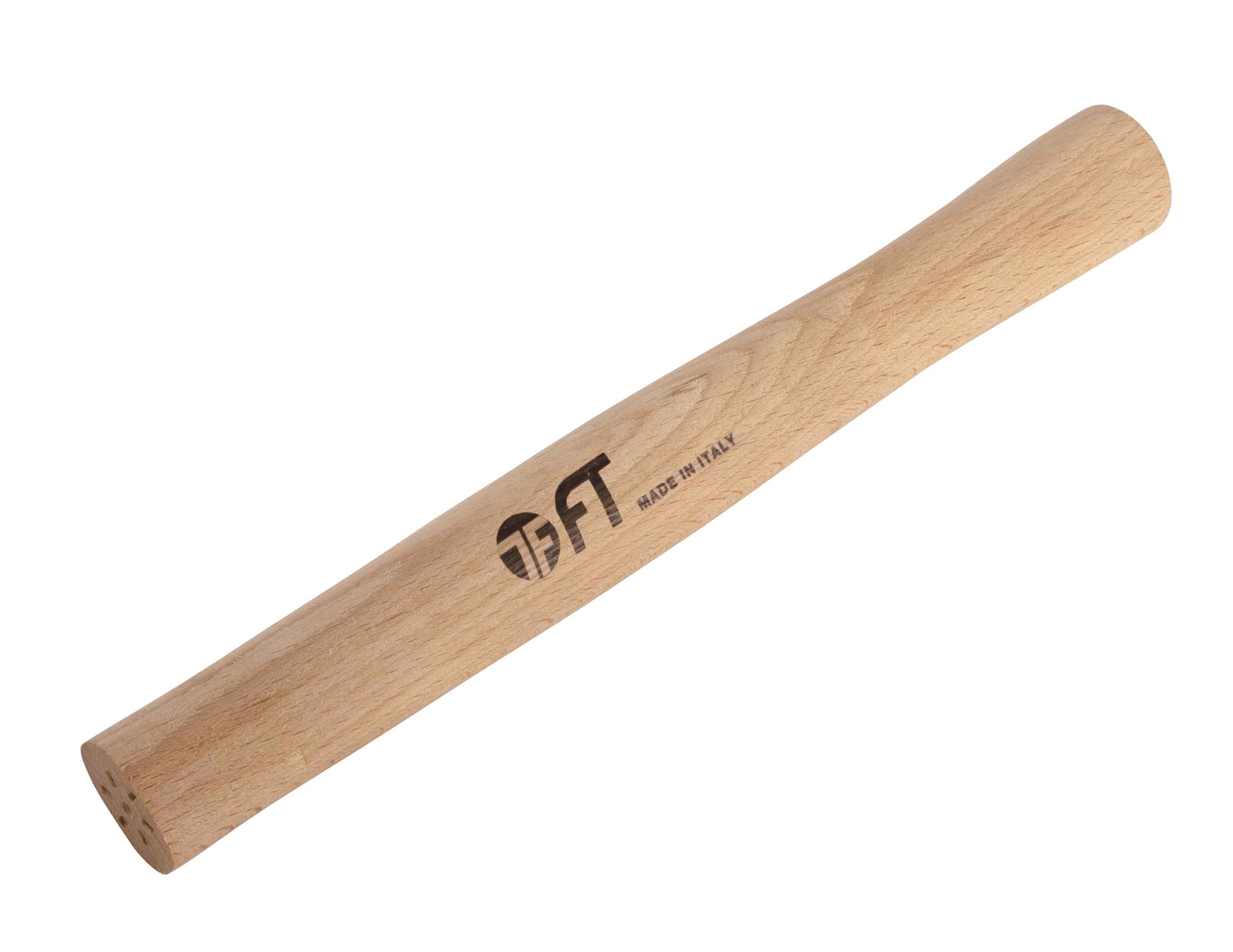
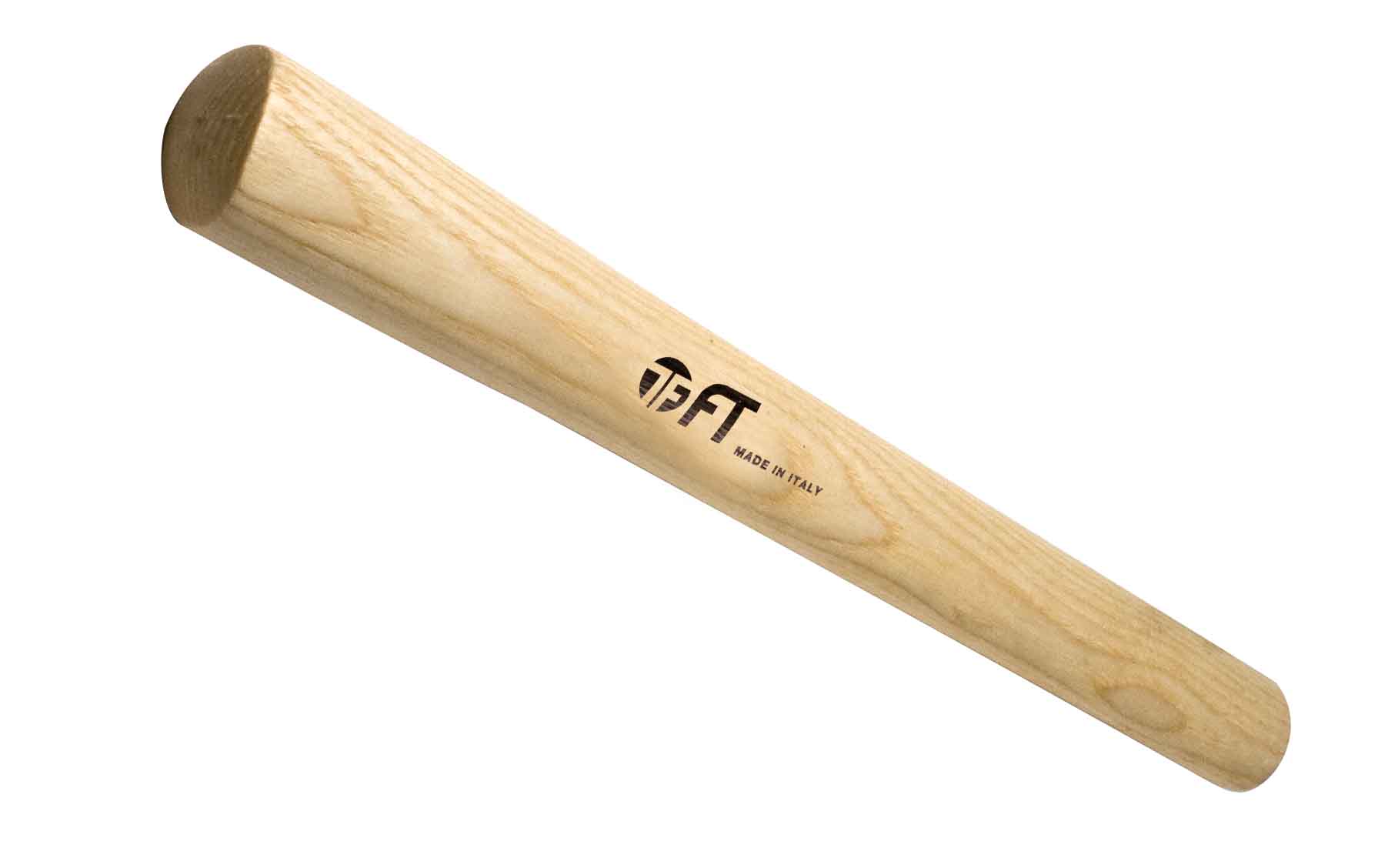
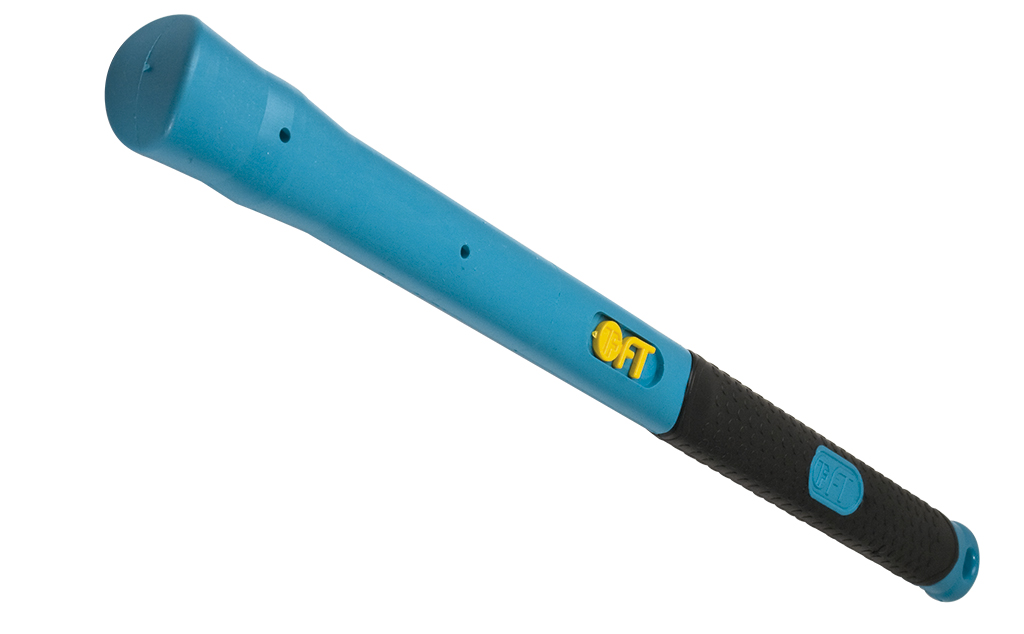
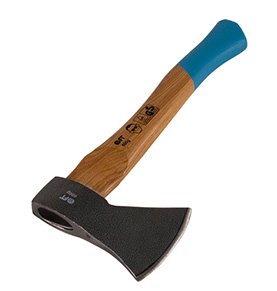
Technical developments in hand tools have profoundly transformed the materials used for handles. Traditional wood, preferably tough species such as ash and hickory (American walnut), is still valued for its natural elasticity and ability to absorb vibration. However, modern construction sites show growing demand for fibreglass handles. These structural components, often coated with resins and anti-slip elastomeric materials, offer almost total resistance to breakage from overstrikes on the shaft. They also provide superior vibration absorption, reducing strain on the operator's joints during intensive shifts. The assembly is secured by pressure-injected epoxy resins or by triple metal wedge systems with wooden expanders, which make the steel head integral with and inseparable from the handle.

Shelf management and cross-selling opportunities for retailers

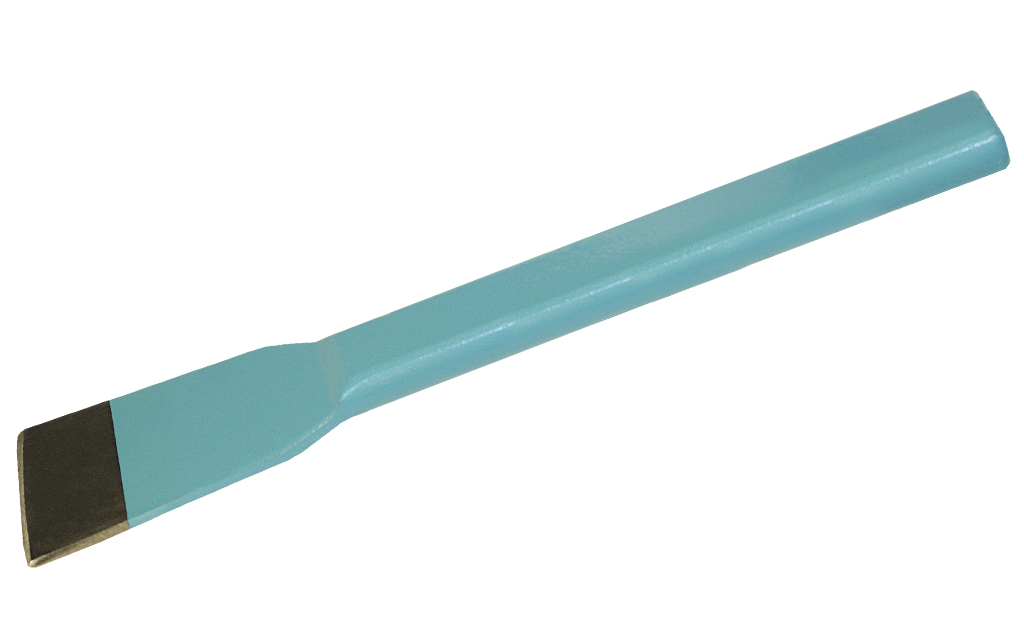
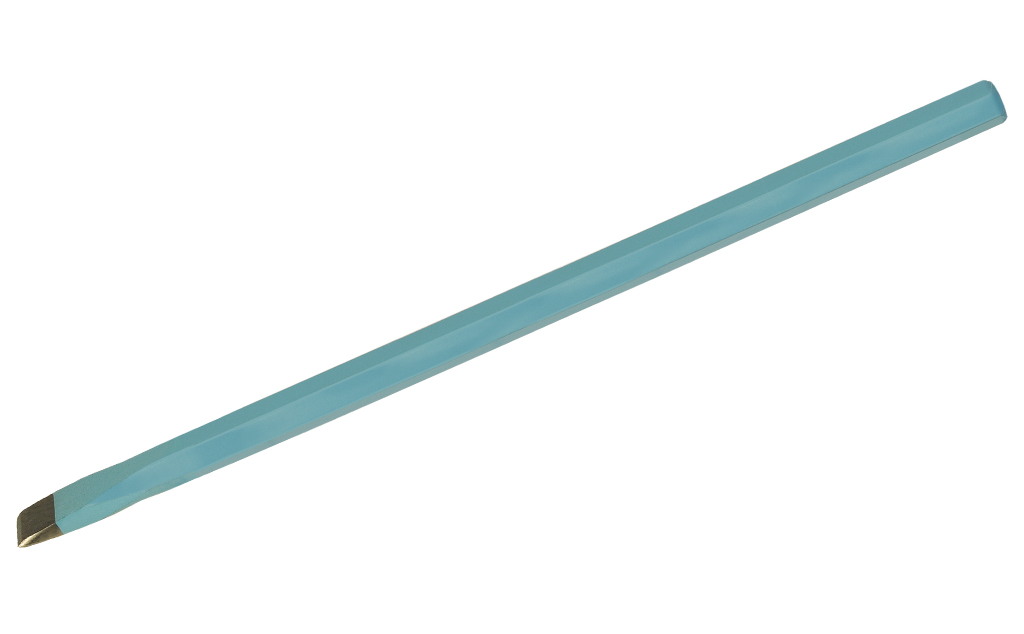
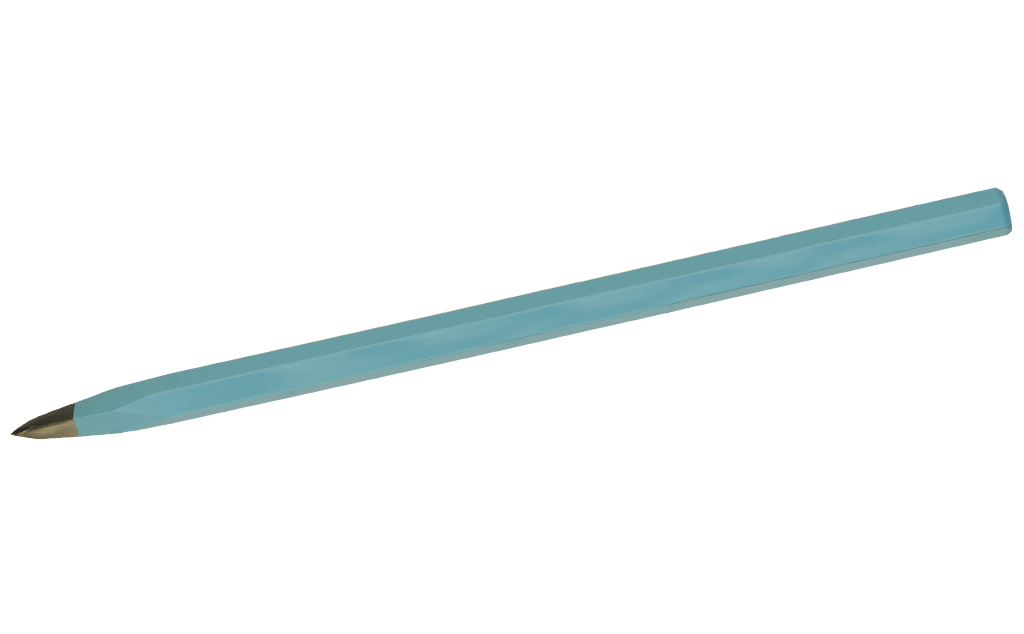
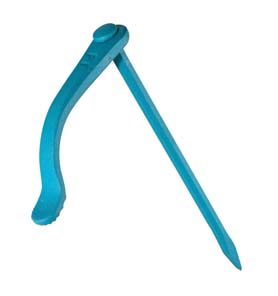
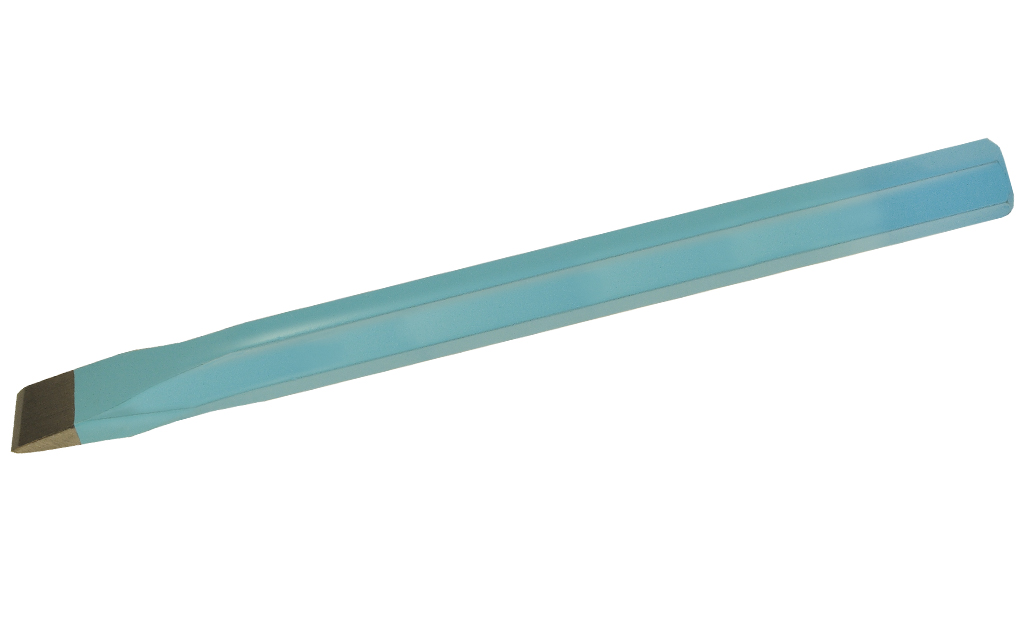
A rational display of striking tools, following the Progetto Rivendita 2.0 guidelines, optimises space and speeds up stock rotation. The ideal layout groups items by intended use, separating joinery and carpentry tools from heavy masonry equipment. Counter sales of these items offer constant technical cross-selling opportunities. During the consultation, the retailer can suggest complementary accessories such as hardened steel nails, cold chisels, scribers and nail pullers. Safety also plays a central role: pairing the tool with anti-vibration technical gloves and polycarbonate safety glasses increases the value of the order and demonstrates real expertise in preventing accidents on site.

Frequently asked questions

What is the real practical difference between a hickory handle and a fibreglass handle?

Hickory naturally absorbs vibration and offers the precise tactile feedback much sought after by experienced carpenters, but it is sensitive to changes in humidity. Fibreglass, by contrast, is unaffected by the weather, does not warp when wet and is designed to withstand extreme bending stress and accidental impacts on the shaft, ensuring greater durability in the toughest conditions.

What is the magnet on the head of some carpenter's hammers for?

The magnet, set into a groove on the upper edge of the face, holds the nail and pre-sets it in the wood with the first blow using only one hand. This feature is indispensable for work at height, on roofs or scaffolding, where the professional needs to keep one hand free to maintain balance or steady the load.

How do you assess wear on the steel head, and when must the tool be replaced?

Replacement is mandatory if the face shows visible chipping, "mushrooming" on the outer edges (spalling) or structural cracks. Using worn heads is extremely dangerous, because a violent impact against another hardened steel body (such as the head of a chisel) can cause sharp metal splinters to break off suddenly.

Are dead-blow hammers useful in building work, or only in mechanics?

They are also widely used in the construction sector, particularly for laying concrete road kerbs, edgings, dry-stone walls and interlocking outdoor paving. The hollow head, filled with steel shot, absorbs the energy of the blow, eliminating rebound and preventing damage and cracks in precast concrete elements.

What are the limits of a club hammer compared with a two-handed demolition sledgehammer?

The one-handed club hammer (under 2 kg) is designed solely for marking out, light chiselling and removing small areas of plaster. For structural demolition of partition walls, screeds or concrete walls, it is essential to use two-handed demolition sledgehammers, with long handles (70-90 cm) and heads of 3 to 6 kg, the only ones capable of generating the leverage and kinetic energy needed to break up the material.

Store Locator

Find your nearest FT dealer

Or write to info@ftspa.it for a tailored quote.

Stay up to date