PERSONAL PROTECTIVE

Work gloves: professional PPE for construction and industry

Hands are the main tool of any operator on site or in the workshop. Providing adequate protection against mechanical, chemical and thermal risks is an essential legal obligation and a primary operational need. Work gloves are a very fast-moving product category for hardware stores and builders' merchants. A complete technical range allows the store to meet the specific tasks of carpenters, installers, mechanics and labourers.

Selecting the items for the shelf means balancing two technical factors that are often at odds: the level of protective barrier and tactile sensitivity. The B2B retailer must rigorously assess the reliability of the yarns, the quality of the synthetic coatings and documentary compliance with European directives on Personal Protective Equipment. Guaranteeing a constant supply of certified products protects the end customer's safety and strengthens the retailer's technical authority, eliminating damaging stock-outs on a consumable used every day.

Types and materials of protective work gloves

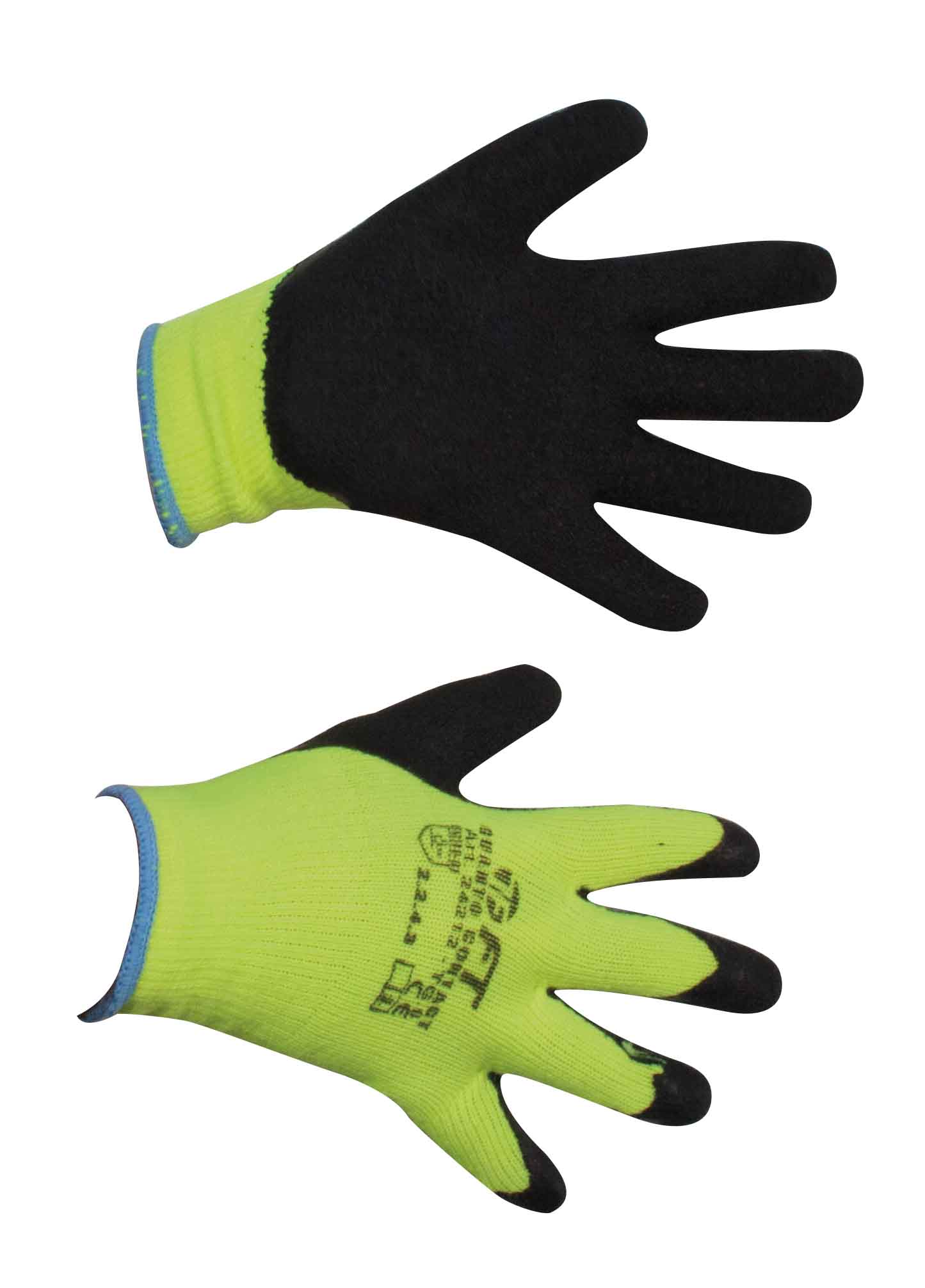
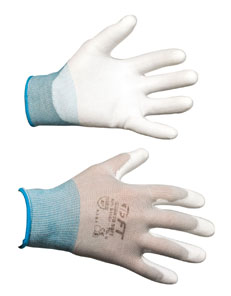
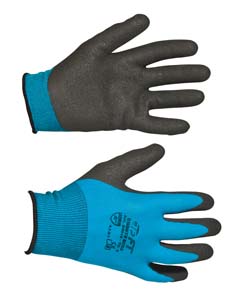
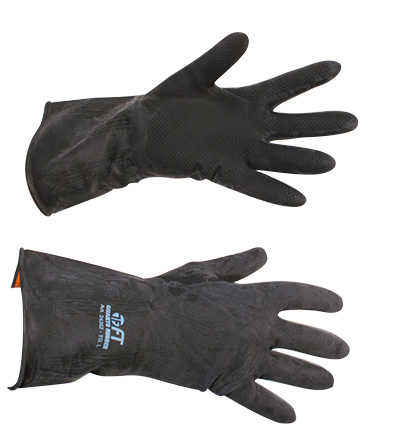
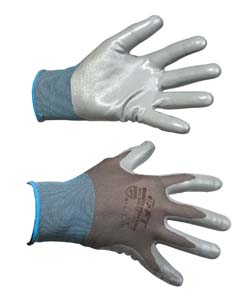
The effectiveness of a hand-protection device depends on the right combination of inner textile liner and outer protective coating. The professional market offers solutions tailored to each specific task. Seamless knitted nylon or polyester liners ensure maximum dexterity for adjustments and precision work. When tasks involve contact with oils, site greases or hydrocarbons, customers should be steered towards nitrile protective gloves, a synthetic polymer that ensures a firm grip on slippery surfaces while also offering a basic chemical barrier.

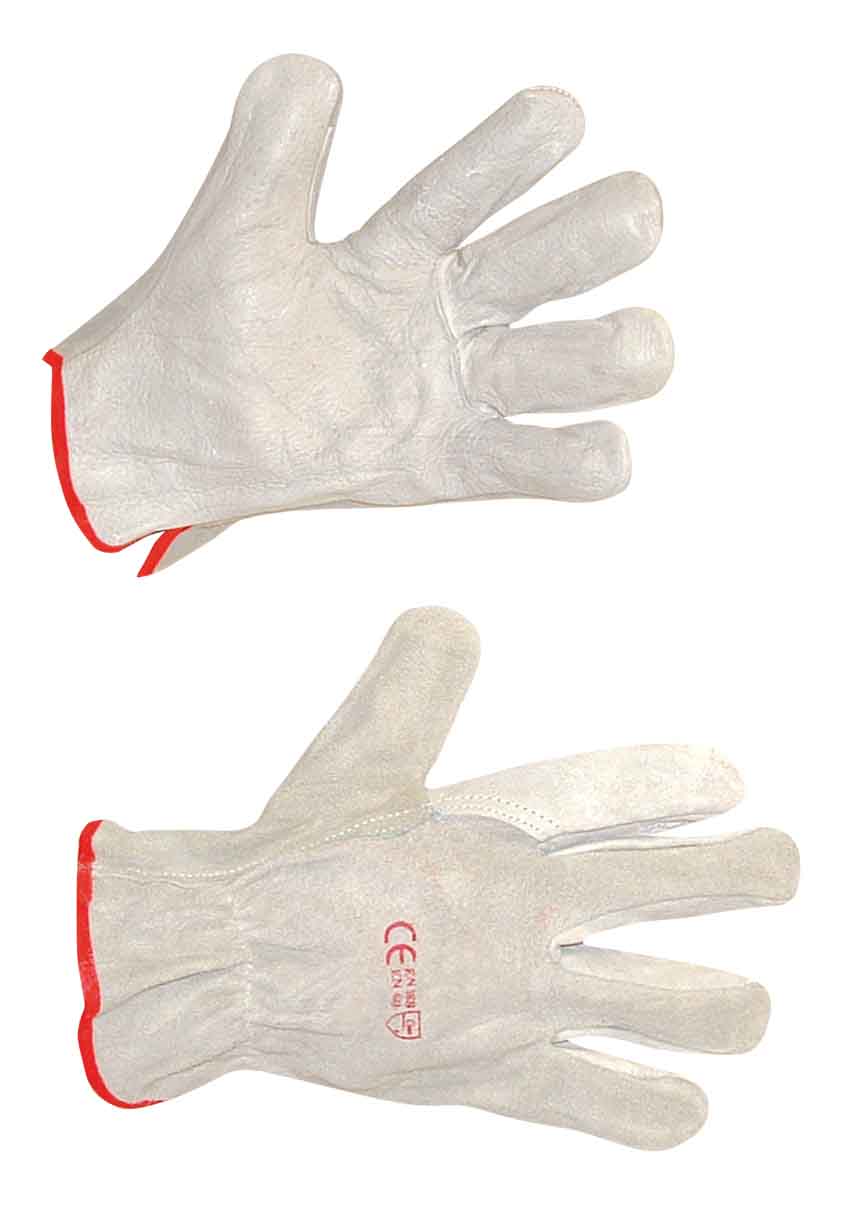
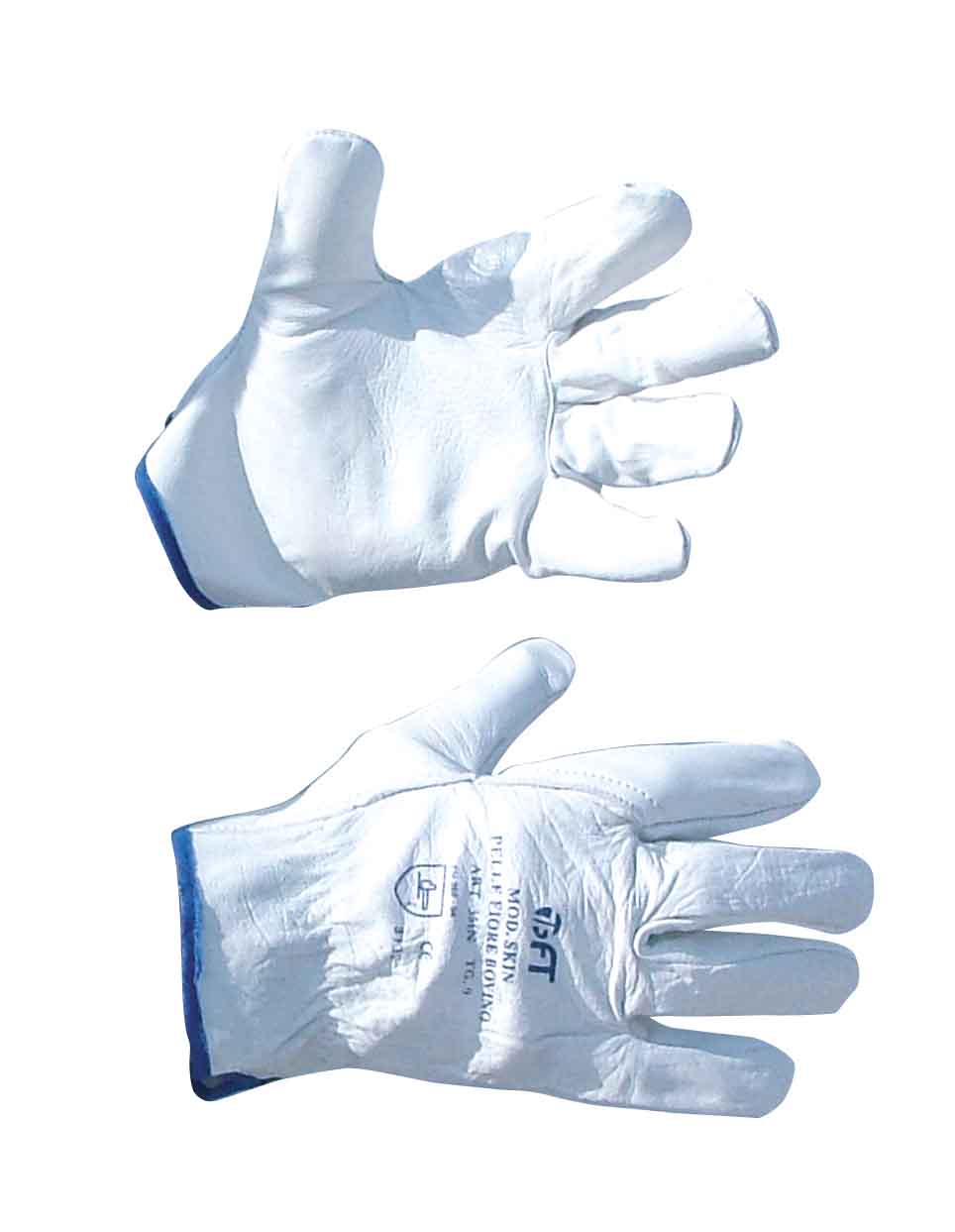
For handling dry abrasive materials, such as bricks or concrete blocks, crinkle latex coatings offer the best compromise between grip and cushioning thickness. Traditional solutions remain indispensable: classic cowhide split leather builders' gloves are necessary for heavy carpentry, handling rough timber and tasks requiring a strong barrier against prolonged rough abrasion, even at the expense of fine finger mobility.

Regulatory requirements and classes of cut-resistant work gloves

All hand PPE intended for industrial use must be tested according to the European standard EN 388, the reference standard governing performance against mechanical risks. The standard assesses specific critical parameters: abrasion resistance, blade cut, tear and puncture. To protect workers from sharp sheet metal or cutting equipment, advances in yarn technology have led to the ISO 13997 test (identified by a letter from A to F).

To reach the highest performance levels (E or F), manufacturers weave latest-generation technical fibres such as HPPE (High Performance Polyethylene), Kevlar or glass-fibre filaments. These high-tenacity materials work by blunting the blade edge under pressure. Recommending the right device by assessing the hand PPE actually needed for the machinery the operator uses is highly valuable technical advice for the store.

Managing the safety department in B2B retail

The logistics and display of these consumables call for a rational approach. A cluttered layout confuses buyers and lengthens service times at the counter. Applying the display principles of Progetto Rivendita 2.0, it is advisable to segment the shelf offer by risk type (general handling, cut risk, chemical) rather than by manufacturer brand. Adding visual charts for reading sizes and pictograms makes it easier for professionals to buy independently, freeing up staff and encouraging cross-selling with workwear and hand tools.

Frequently asked questions

What do the four digits and the letter under the EN 388 pictogram indicate?

The first four digits indicate, in this exact order, the performance levels achieved in the abrasion, cut (Coup test method), tear and puncture tests. If there is a final letter (from A to F), it certifies the result of the straight-blade cut resistance test (TDM method, ISO 13997), now considered the strictest and most reliable regulatory parameter for classifying modern technical fibres.

What is the practical difference on site between a polyurethane and a latex coating?

Polyurethane (PU) creates an extremely thin, breathable film on the palm, making it ideal for high-precision work, electrical wiring or dry assembly where sensitivity is the priority. Latex, on the other hand, provides a thicker, crinkled layer that gives superior grip on dusty or rough building materials, but has poor compatibility with solvents or greases.

Are traditional cowhide split leather gloves suitable for working with mortar and wet concrete?

No. Leather and split leather quickly absorb moisture and liquids. In contact with wet mortar (which is strongly alkaline), the leather becomes soaked, risking dermatitis for the operator; moreover, once dry, it tends to stiffen and shrink. These tasks require gloves with a fully waterproof PVC or nitrile coating.

Does a glove certified to cut level "F" completely prevent injuries?

No textile or synthetic yarn can be classed as "cut-proof" in absolute terms, only as "cut-resistant". The top level F indicates that the knit requires a force of more than 30 newtons to be severed by a straight blade under static pressure. These gloves are not designed to protect the operator from accidental contact with rotating band saws or circular saws.

Which coating is suitable for assembling oily or lubricated small metal parts?

Where industrial oils or cutting fluids are present, nitrile is the only technical choice. Unlike latex or polyurethane, nitrile does not degrade structurally on contact with hydrocarbons. When supplied in special "micro-porous" or sandy-finish versions, its surface drains liquids, optimising friction and grip on slippery metal parts.

Can textile PPE be washed without invalidating the manufacturer's certification?

Only if this is explicitly permitted in the manufacturer's information leaflet. Some synthetic-fibre models tolerate low-temperature wash cycles (30°C-40°C) with neutral detergents, excluding spin and tumble drying. However, repeated or incorrect washing can alter the coating polymers and shrink the knit, reducing the originally certified protection levels.

Store Locator

Find your nearest FT dealer

Or write to info@ftspa.it for a tailored quote.

Stay up to date