Catalogue

Plaster mesh: structural reinforcement against cracking

Building facades and wall finishes are constantly subjected to thermal and hygrometric stresses, natural structural settlement and mechanical loads that can compromise their integrity over time. Plaster mesh is the essential technical reinforcement for absorbing these stresses, preventing crazing, cracking and detachment of the finishing material. Its use is now indispensable in almost all modern construction work, from strengthening traditional plasters to installing external thermal insulation composite systems (ETICS).

For a professional hardware store or builders' merchant, offering a range of certified reinforcements means providing contractors with safe, durable solutions and protecting the installer's work from costly post-completion disputes. B2B stock selection should focus on products that guarantee excellent mechanical strength and chemical stability in contact with hydraulic binders. Offering technically impeccable items strengthens the store's reliability, positioning it as a go-to supplier for the set-up and correct execution of masonry work, in full compliance with industry regulations.

Weight and uses of fibreglass plaster mesh

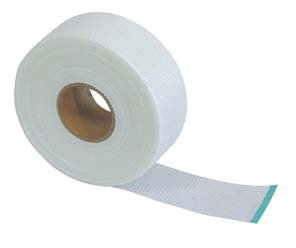
Reinforcing thin skim coats and external thermal insulation systems requires materials that combine high tensile strength with flexibility. Fibreglass plaster mesh is the solution of choice for these applications, thanks to its low thickness and ease of installation. On site, the most popular weights range from 150 to 160 g/m² for standard ETICS, rising to over 300 g/m² for plinths or areas exposed to accidental impact. The ideal plaster mesh characteristics necessarily include an alkali-resistant coating. This surface resin treatment is vital to protect the glass filaments from the chemical attack of lime and cement mixes, which would otherwise dissolve the reinforcement within a few months, nullifying its structural function. The dimensional accuracy of the mesh (generally 4x4 mm or 5x5 mm) also ensures perfect penetration of the skim coat, creating a single, solid body with the insulation board underneath.

Technical differences and materials of site plaster meshes

While thin layers benefit from the flexibility of glass, thicker applications require reinforcement of a different kind. For thick traditional plasters, concrete renders or structural strengthening of historic masonry and vaults, contractors need solutions able to bear heavier loads. Plaster meshes developed for these contexts have wider openings to allow coarse aggregate to pass through. When structural stresses or the amount of material applied require it, metal plaster mesh is used, typically made of welded or woven galvanised steel. This metal version offers unrivalled stiffness and is mechanically anchored to the masonry substrate before the plaster is cast or applied, ensuring seismic resistance and excellent containment even with very thick mortar layers.

Logistics, storage and advantages for the technical retailer

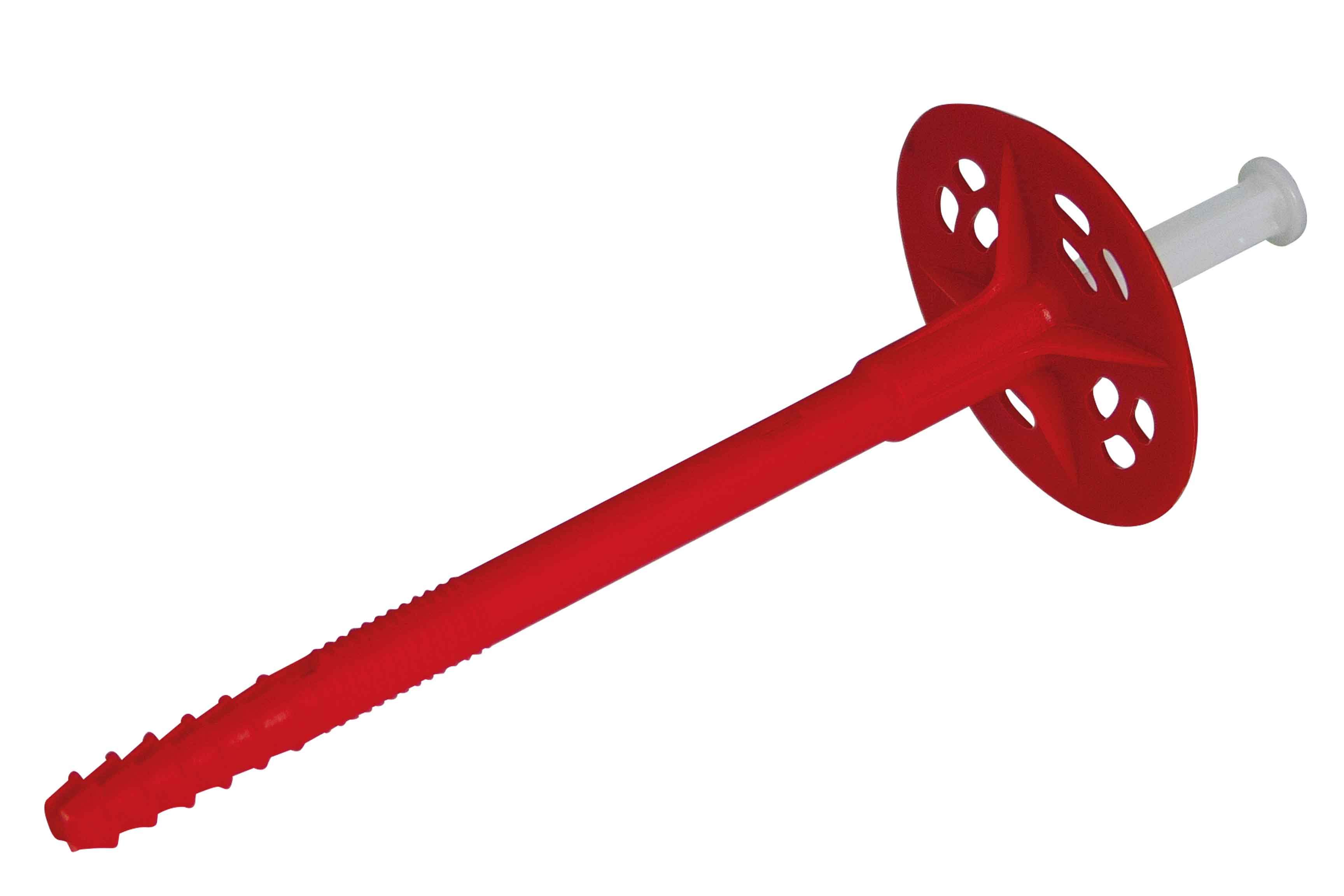
Managing plaster reinforcement strategically in the store offers significant commercial and logistics opportunities. Thanks to their light weight and compact packaging, fibreglass rolls make it possible to optimise shelf space, making handling easier for both warehouse staff and customers. Displaying these items according to the clarity principles of Progetto Rivendita 2.0 allows retailers to activate effective cross-selling strategies. Every supply of wall reinforcement naturally goes hand in hand with sales of specific skim coats, anchors for fixing insulation boards, mesh corner beads, drip profiles and professional notched trowels. Guaranteeing a constant supply and fast delivery of these everyday consumables allows the hardware store to consolidate its role as an essential supplier, supporting contractors in meeting tight site schedules.

Frequently asked questions

What is the ideal weight for reinforcing an external thermal insulation composite system (ETICS)?

For certified ETICS, the standard weight required for fibreglass mesh is between 150 and 160 g/m². For ground-floor areas (plinths) or areas exposed to potential vandalism and impact, reinforced meshes known as "anti-vandal" with weights over 330 g/m² are used.

Why is alkali-resistant treatment essential for rolls intended for construction?

Cement and lime mixes have a strongly basic (alkaline) pH. Without an adequate protective resin coating (sizing), the glass fibre would be chemically dissolved by the alkalis in the short term, completely losing its tensile strength and causing premature cracking of the facade.

How should the overlap between two adjacent rolls be handled when installing on a facade?

Technical standards and installation manuals prescribe that adjacent strips must overlap by at least 10 centimetres, both vertically and horizontally. Omitting this overlap or simply butting the strips edge to edge creates points of structural discontinuity, which will invariably turn into visible linear cracks in the finished plaster.

At what depth in the skim coat should the mesh be embedded to work properly?

The reinforcement must never be laid directly on the substrate or insulation board. It must be embedded in the "middle third" or outer third of the total skim coat thickness. In practice, the installer applies a first coat, embeds the mesh by pressing it in with the trowel, and covers it "wet on wet" with a second coat.

Can reinforcing meshes be used with macroporous dehumidifying plasters?

Yes, but specific wide-opening meshes (usually 10x10 mm or larger) must be used. Too fine a mesh would hinder the natural breathability and the moisture evaporation function for which the macroporous plaster was formulated.

Store Locator

Find your nearest FT dealer

Or write to info@ftspa.it for a tailored quote.

Stay up to date