Catalogue

Hydraulic manholes: connection and inspection chambers for drainage networks

Stormwater and wastewater disposal networks need inspectable junctions to ensure proper flow and make future maintenance easier. Hydraulic manholes are the core element of these infrastructures, acting as connection, diversion and inspection points for underground pipework. For a builders' merchant or a technical hardware store, market trends call for a shift from heavy precast concrete units to more modern solutions in thermoplastic materials. Offering modular polypropylene or PVC elements gives the contractor a tangible operational advantage: a drastic reduction in installation time.

Unlike concrete, plastic eliminates the need for lifting equipment to move units around the site, reducing the risk of injury to operators. The B2B warehouse should select items with multiple pre-scored inlets, able to resist the chemicals found in waste fluids and the natural movements of the ground. Supplying complete, ready-to-install inspection systems allows the store to strengthen its position as a reliable technical partner for building sewer systems to a professional standard.

Construction features and materials of the hydraulic manhole

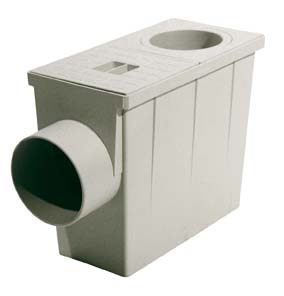
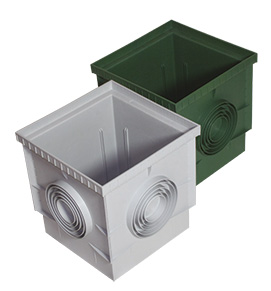
Underground infrastructures are subject to continuous stresses from soil pressure, surface vibrations and temperature changes. To cope with these mechanical stresses, the modern hydraulic manhole is designed with a ribbed outer structure. This geometry gives the unit high rigidity, preventing it from being crushed or becoming oval once buried. The most advanced models have walls with circular knock-out markings of varying diameters, designed to make it easier to connect pipes of different sizes. Using plastic manholes also ensures total immunity to corrosion caused by sewer gases such as hydrogen sulphide, which by contrast rapidly degrade traditional concrete units. The smooth inner surface of polypropylene eliminates roughness, preventing debris build-up, ensuring a smooth flow of wastewater and minimising the risk of blockages along the drainage line.

Sizing and correct installation of manholes for drainage systems

The stability of the entire sewer network depends on correct execution of the inspection point. When installing manholes for drainage systems, the bottom of the trench must be levelled and compacted, with a bedding layer of sand or lean concrete. This bedding is crucial to distribute vertical loads evenly and prevent differential settlement that would compromise the falls of the connected pipes. To bring the closing level of the unit up to ground level or the finished paving, contractors use manhole extensions. These modular elements fit onto the top of the main body, making it possible to reach varying burial depths without resorting to masonry risers. The connection between the drainage pipe and the walls of the unit requires specific elastomeric seals to ensure a completely watertight joint and prevent contamination of groundwater.

Accessories, logistics and solutions for B2B retailers

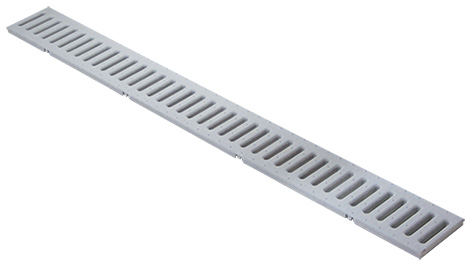
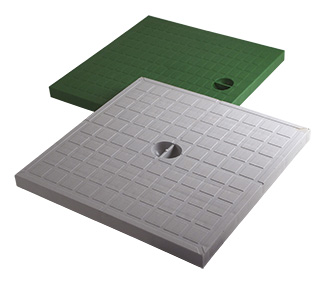
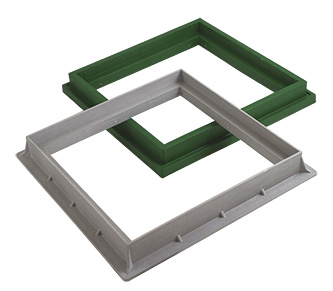
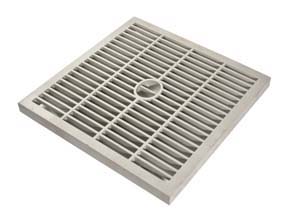
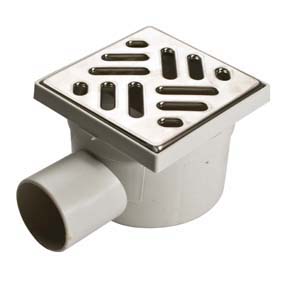
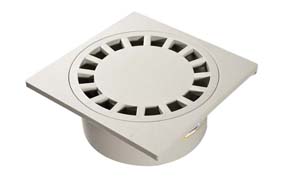
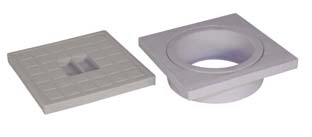
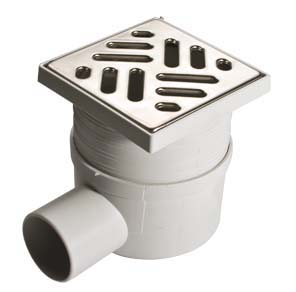
For a building materials distributor, handling bulky items is a constant logistical challenge. Thermoplastic units offer an inherent advantage: their slightly tapered shape allows empty units to nest perfectly. This stackability drastically optimises warehouse space, reducing the footprint on pallets and making manual handling easier. Displaying these solutions in store enables effective cross-selling strategies. Together with the base body, the retailer should offer the frame, traffic-rated or pedestrian gratings and trapped covers, devices that are essential to stop unpleasant odours rising near homes. Offering lightweight, integrated systems turns the hardware store into a key reference for contractors looking to optimise site logistics.

Frequently asked questions

How do you open the pre-scored inlets without risking cracking the walls of the unit?

To avoid structural cracks in the plastic wall, never use hammers or club hammers to knock out the marking. Holes must be cut exclusively with a hole saw of the diameter matching the pipe to be connected, fitted on a drill running at low speed. This ensures a clean, accurate cut for inserting the seal.

What material should be used for side backfilling to prevent the unit from being crushed?

Backfilling (filling the trench around the unit) must be carried out with sand or fine gravel, in compacted layers of about 15-20 centimetres. Using excavated material containing large stones is strongly discouraged, as point loads could puncture the polypropylene walls.

Can polypropylene models be installed in areas subject to heavy vehicle traffic?

Yes, but the plastic structure must never bear the weight of the traffic. In trafficked areas, a reinforced concrete load-distribution slab must be cast around the neck of the unit. This slab supports the frame and the cast-iron cover (with a suitable load class, e.g. D400), transferring the load to the surrounding ground rather than to the plastic walls.

With deep burial depths, how do you stabilise several stacked extension elements?

To ensure the stability of the column and avoid axial misalignment, the joints between the riser modules must be sealed with specific polyurethane mastics or structural silicones. In addition, side backfilling with sand must proceed at the same pace as the structure is built up, progressively locking the elements in their final position.

How do you ensure a perfectly watertight seal where the pipe enters the drilled wall?

A watertight seal is achieved with elastomer (rubber) lip seals specific to the pipe diameter, inserted into the hole previously cut with the hole saw. Sealing the joint with rigid cement mortar is not recommended: natural ground settlement would soon crack the cement, causing leaks into the subsoil.

Store Locator

Find your nearest FT dealer

Or write to info@ftspa.it for a tailored quote.

Stay up to date