

Catalogue

Builder's shovel: the essential hand tool for every construction site

Despite the increasing mechanisation of site operations, moving aggregates, mortar and soil by hand still calls for basic tools of absolute reliability. A tool that bends, deforms or breaks under strain is an unacceptable waste of time for the professional and a potential risk to the operator's posture. The builder's shovel remains the irreplaceable workhorse for basic tasks, from preparing sub-bases to mixing binders on the ground.

For a technical hardware store or building materials distributor, shovels are a strategic, very high-turnover product category. As tools subject to constant abrasive wear and heavy loads, they generate cyclical, predictable repeat purchases. Keeping professional shovels and spades in stock means offering an excellent footfall-driving product. This consistency of supply ensures continuous traffic in the store and builds the trust of local building contractors, turning the shop into a reliable partner for everyday supplies.

Structural features of the ideal builder's shovel

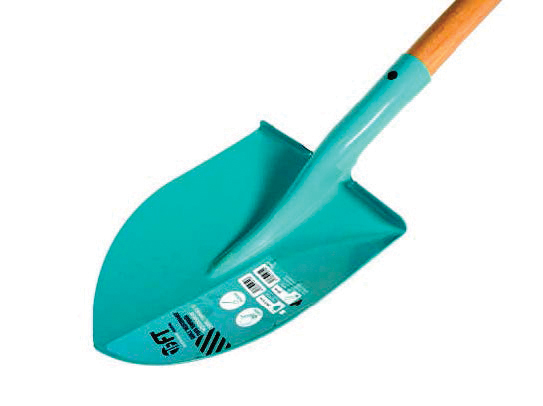
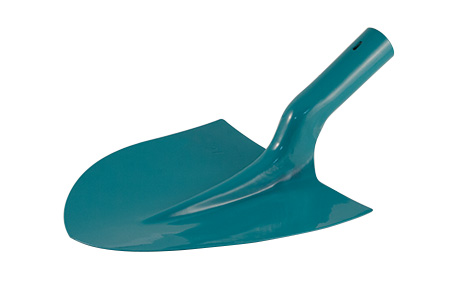
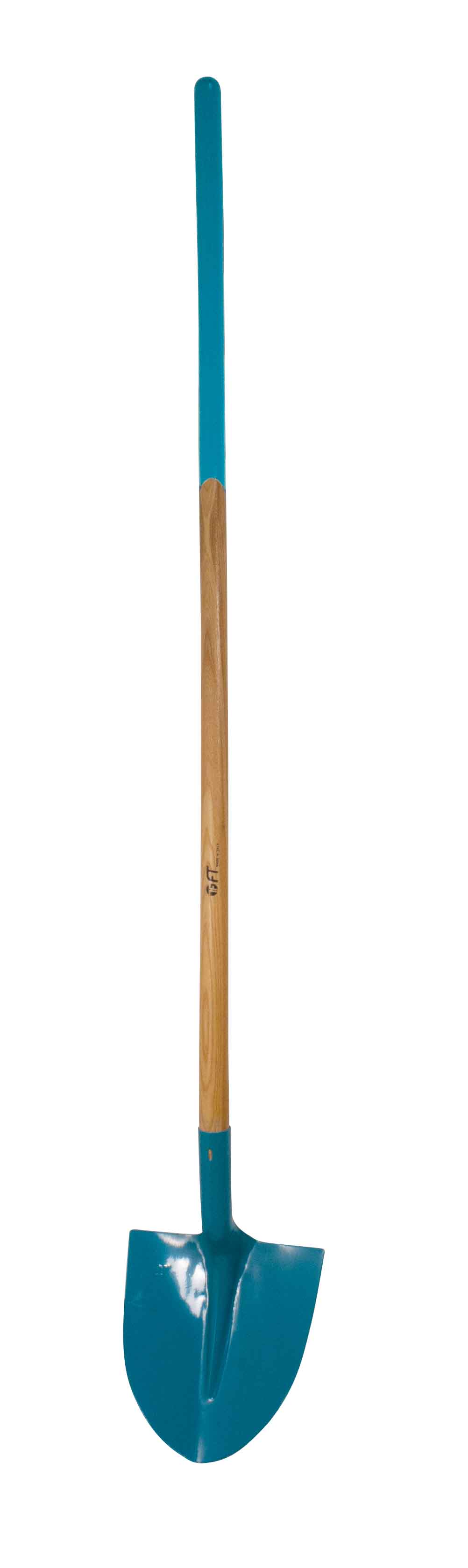
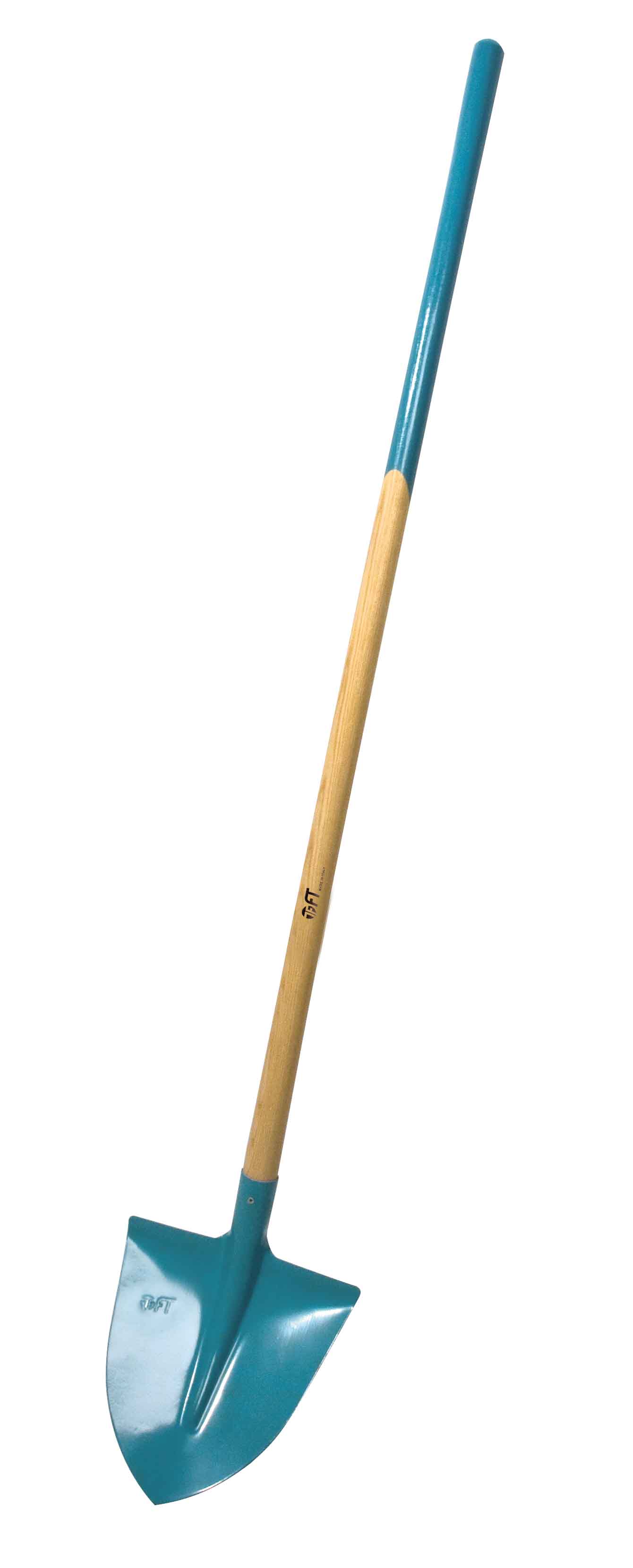
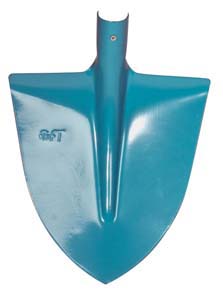
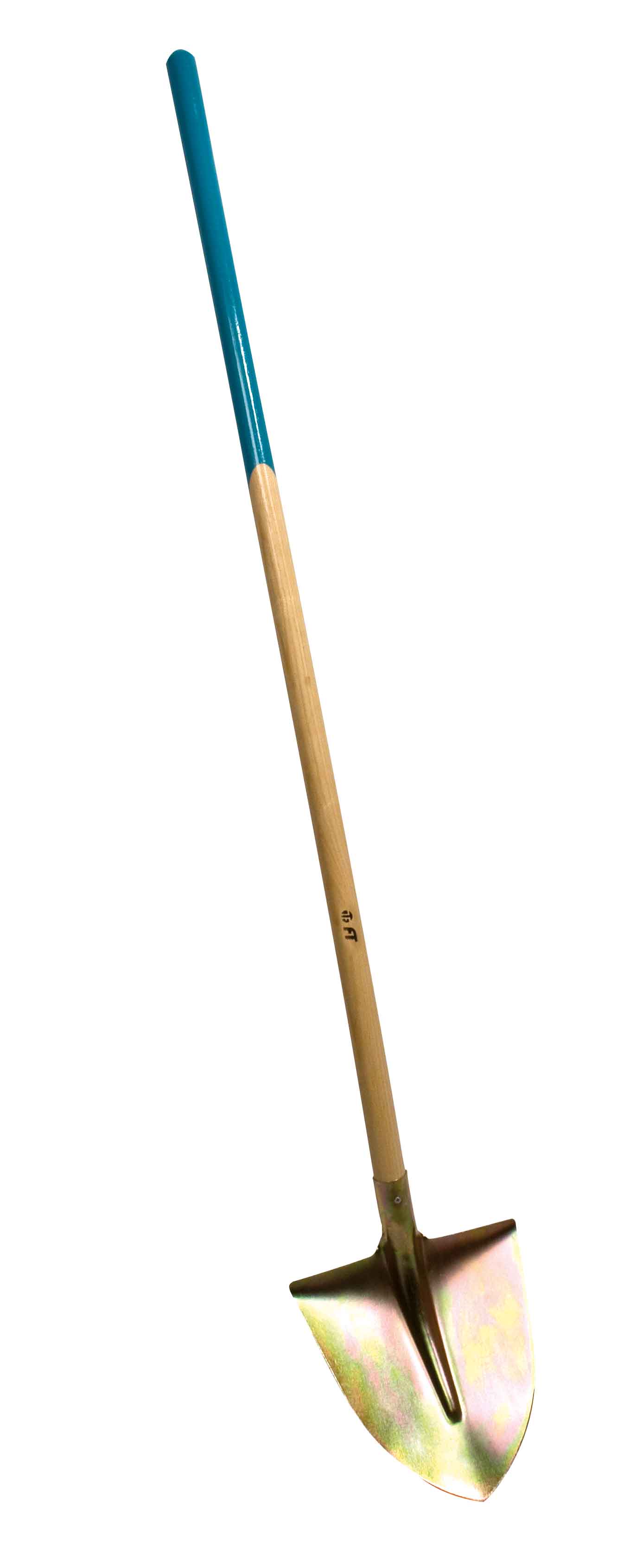
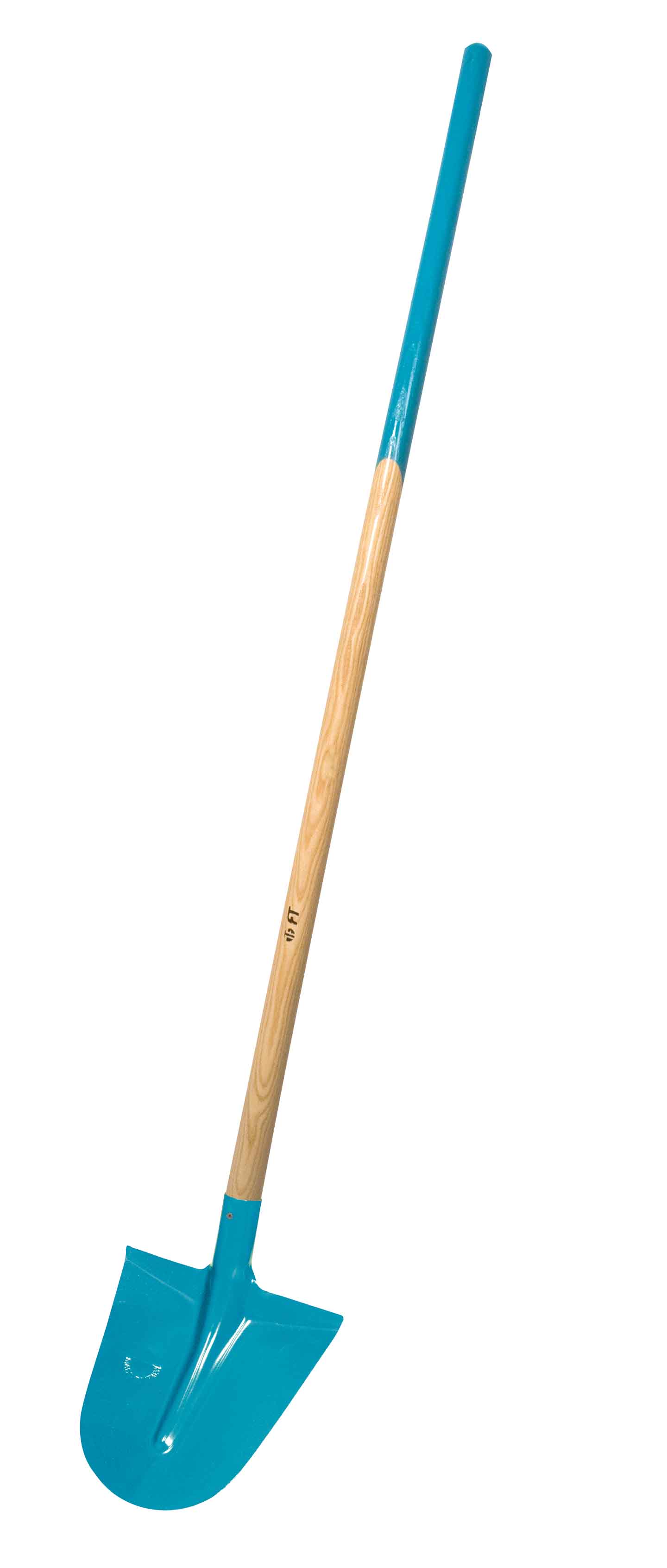
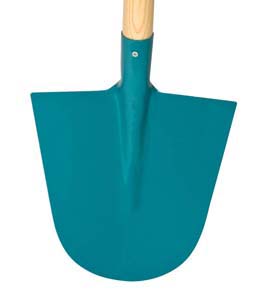
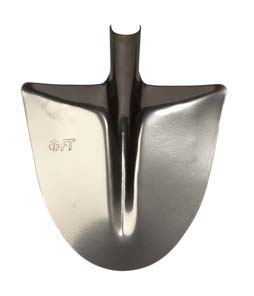
The workload on the blade requires metal alloys that can withstand both mechanical bending and the intense abrasion caused by constant contact with gravel, sand and cement. Professional models are hot-pressed and feature central reinforcing ribs, designed to distribute stress along the entire axis of the tool and prevent failure during lifting. Choosing tempered steel shovels ensures far greater structural longevity, delaying the thinning of the cutting edge and preventing irreversible bending during the inevitable levering on heavier debris. In addition, epoxy powder coatings protect the metal from the oxidation typical of damp working environments.

Blade shapes and uses of the builder's shovel

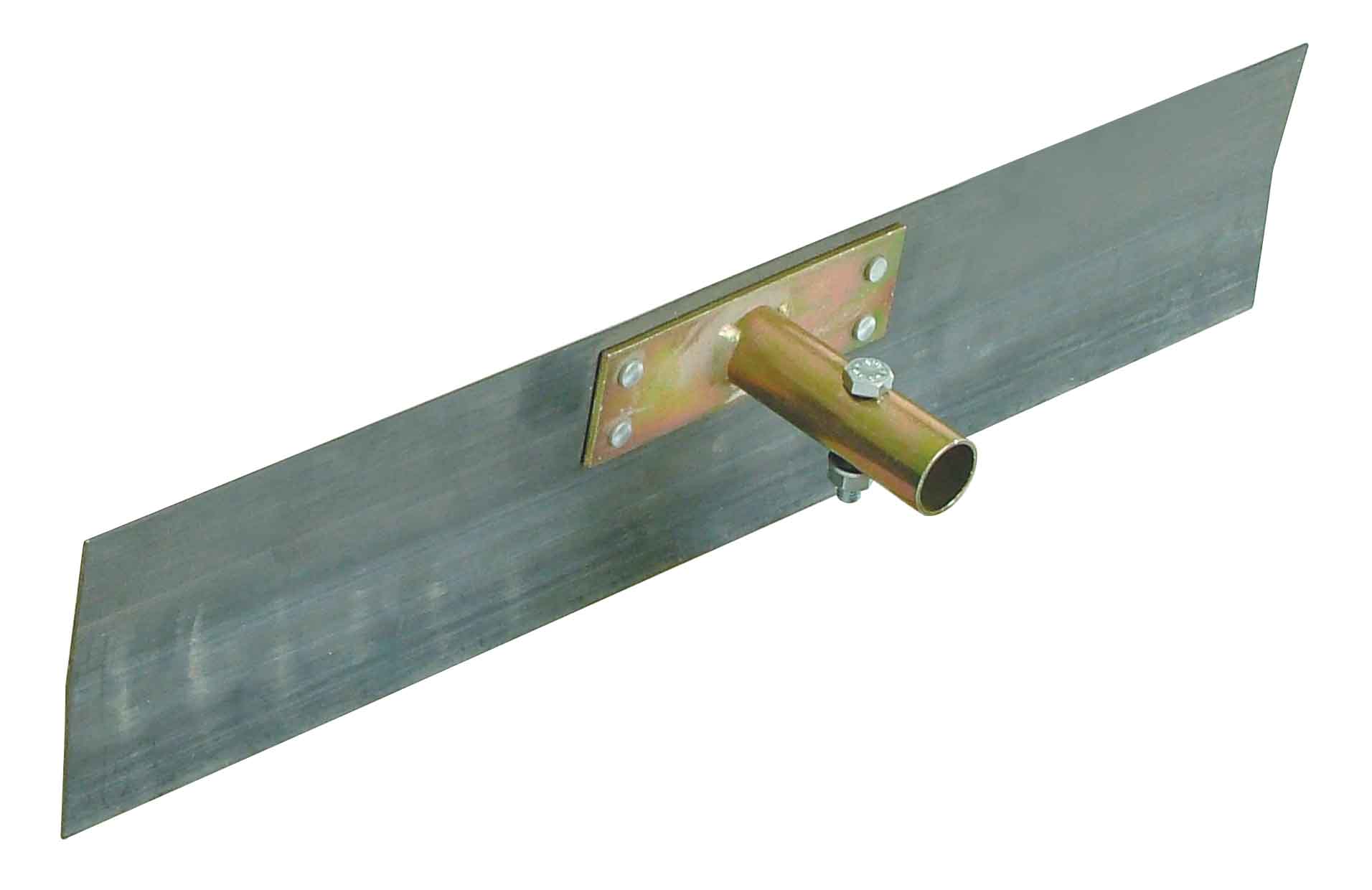
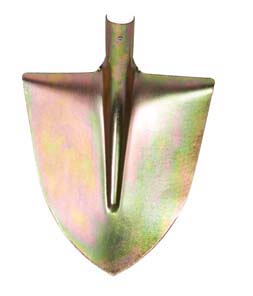
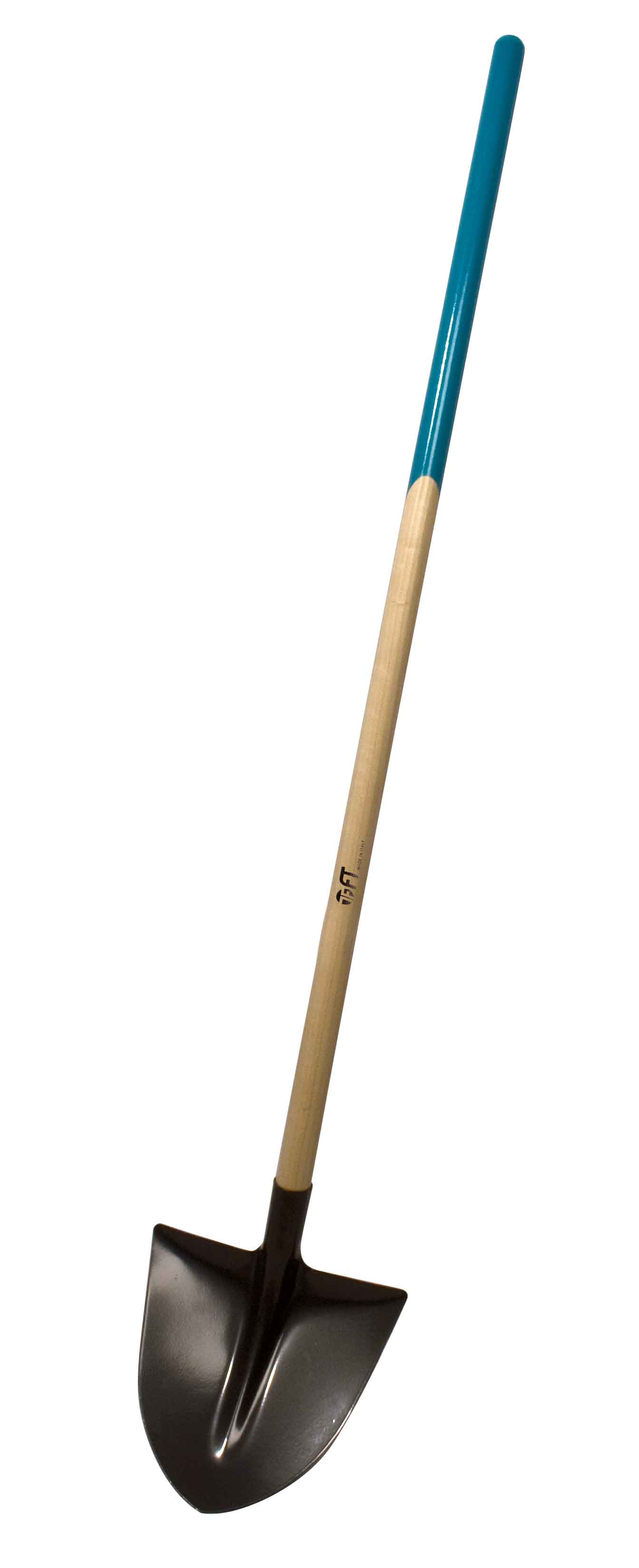
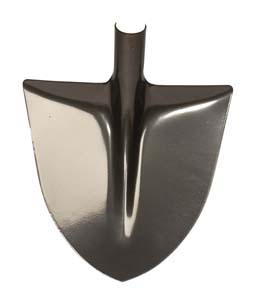
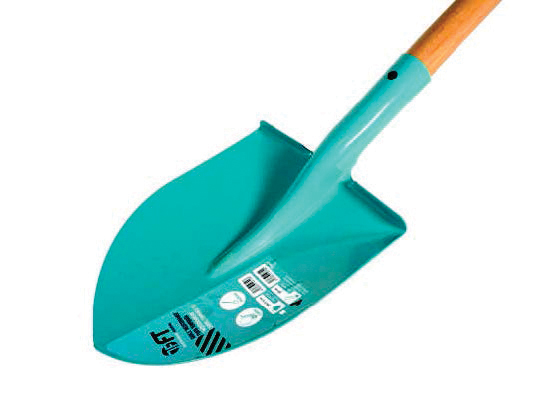
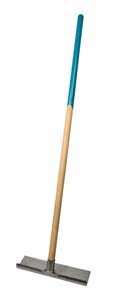
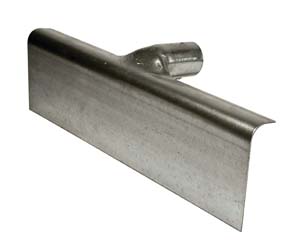
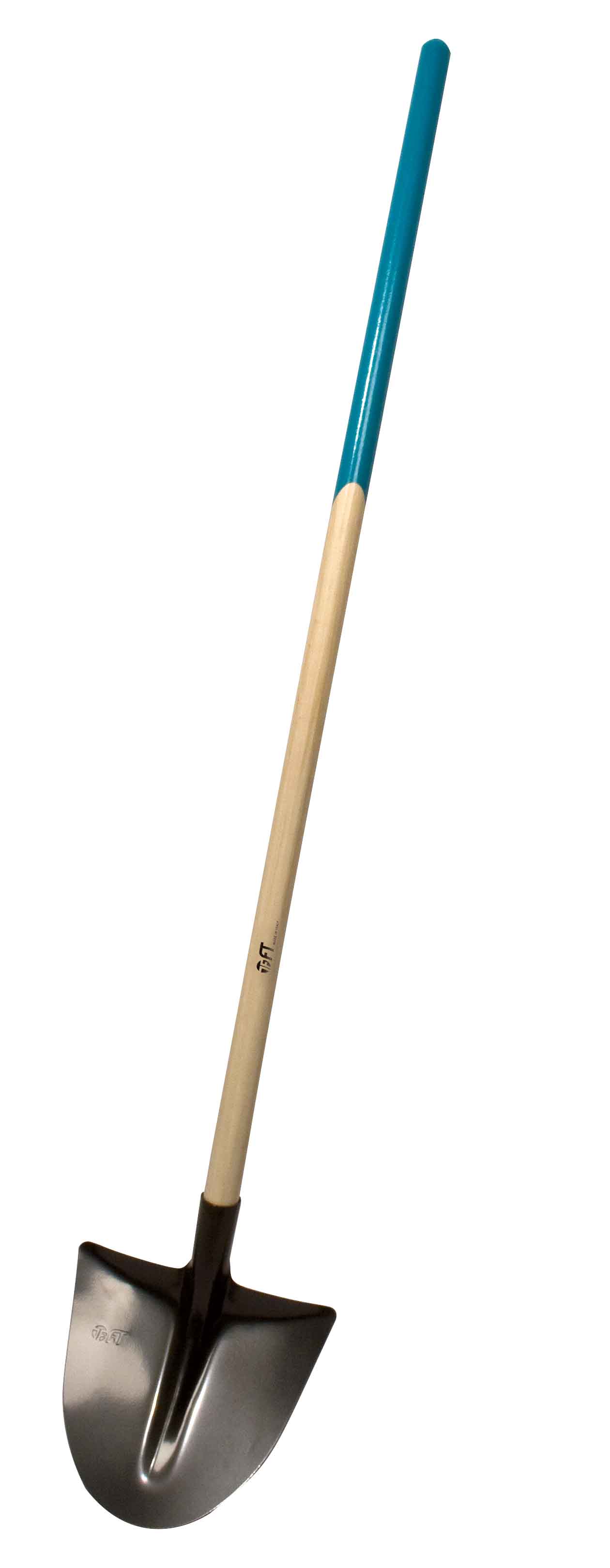
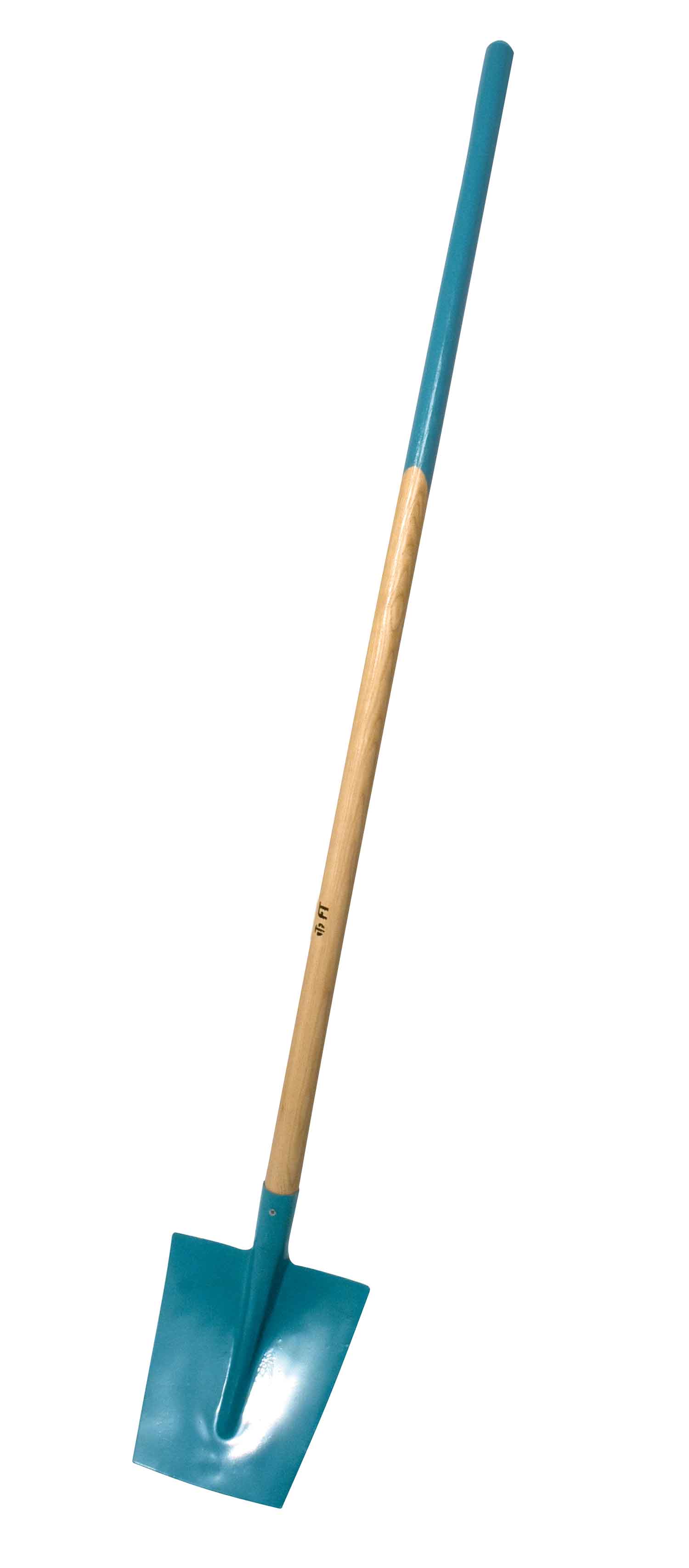
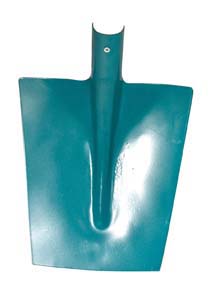
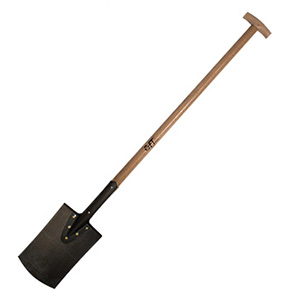
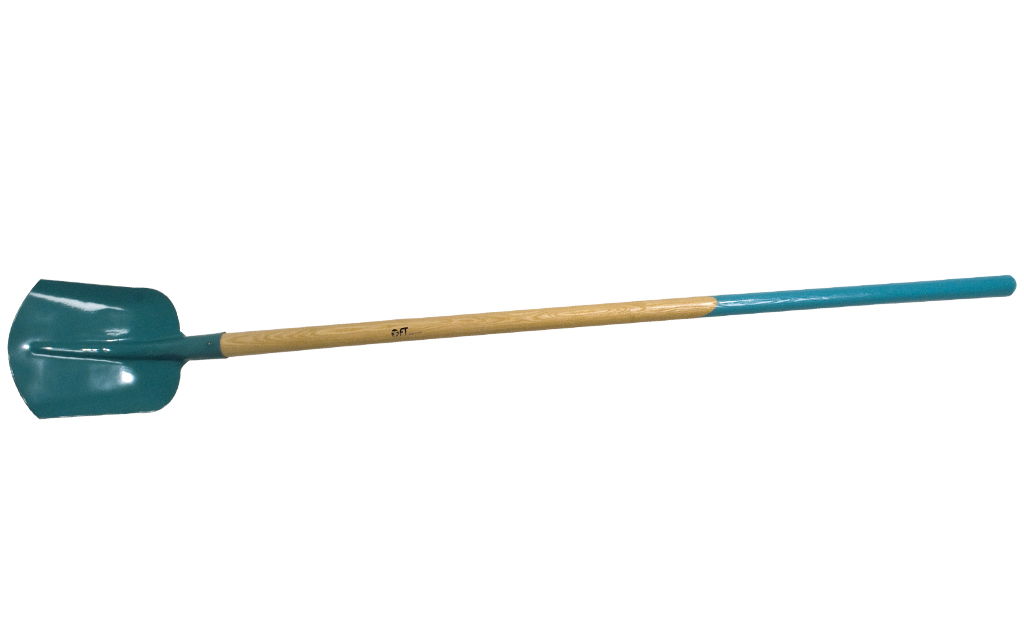
Choosing the right blade shape determines how efficiently the work is done and reduces execution times. The classic round-point design makes it easier to dig deep into compacted ground and to scoop from dense piles of aggregate, making it perfect for manual levelling excavations. Conversely, for cleaning slabs or moving mortar and rubble on industrial floors, a square-mouth shovel performs much better, working as a genuine precision scraper. A well-balanced range allows the retailer to supply the right tool for every stage of the site's progress.

Ergonomics, balance and choice of handle

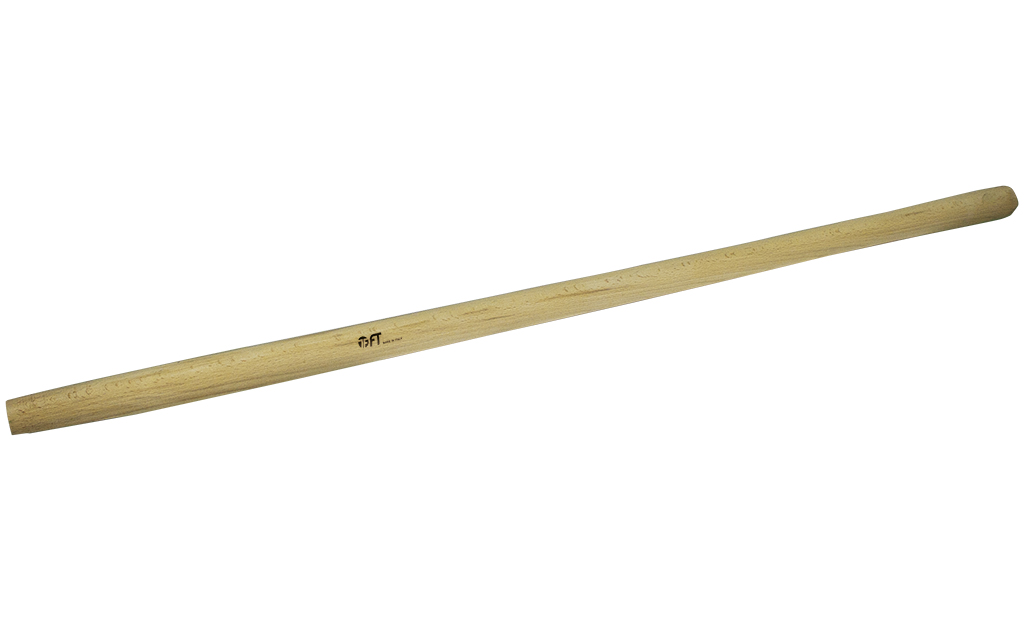
Muscle power is transferred from the arms to the blade through the handle, a key component for the overall ergonomics of the tool. Correct balance prevents overloading of the spine and reduces lower back fatigue at the end of the day. The traditional wooden shovel handle, usually turned in beech or ash, provides excellent absorption of micro-vibrations and a firm grip even with wet gloves or damp hands. For uses requiring extreme torsional strength, the technical market offers modern fibreglass alternatives, materials impervious to moisture that eliminate the risk of the shaft breaking at the socket.

Logistics and space optimisation for technical retailers

Long-handled tools take up considerable space, which can complicate storage in commercial warehouses. FT SPA supports its distribution partners with optimised logistics and fast shipping, allowing stores to handle sudden peaks in demand without filling up their warehouse. To make the most of the sales area, it is strategic to display site hand tools on vertical racks or comb panels. This rational organisation keeps aisles clear, prevents accidental damage to items left on the floor and creates a tidy visual impact, making self-service purchasing easier.

Frequently asked questions

What is the practical difference in use between a round-point shovel and a square-mouth shovel?

The round point easily penetrates piles of soil, sand or gravel and is ideal for digging and moving large volumes of aggregate. The straight edge of the square mouth, on the other hand, is specifically designed for scraping flat surfaces, collecting rubble from floors or shovelling mortar at ground level.

Which alloys or treatments give the longest life for blades in contact with cement?

The professional solution of choice is tempered steel shovels. The hardening heat treatment gives the metal a surface hardness that resists the strong abrasive action of stones and binders, preventing rapid wear of the blade's cutting edge.

For intensive use in construction, is a wooden or a fibreglass shovel handle preferable?

Both materials have specific advantages. Beech or ash offer a superior natural grip and absorb repeated impacts excellently. Fibreglass is unaffected by the weather and offers almost absolute mechanical resistance to breakage, ideal for very heavy workloads.

Do the blades of your tools have reinforcing ribs to prevent bending under strain?

Yes, models intended for construction use are forged with longitudinal ribs that stiffen the entire metal structure. This technical feature prevents the blade from flexing, giving way or deforming when lifting blocks of concrete or wet soil.

How should these site hand tools be displayed in a hardware store so as not to obstruct the aisles?

We recommend replacing traditional floor bins or corner leaning spots with wall displays or vertical racks. These systems keep tools upright, grouped by shape and material, freeing up valuable aisle space and ensuring a clean, professional department.

Do you provide fast shipping to cover sudden stock-outs during seasonal peaks in work?

Certainly. The FT SPA logistics hub is set up to ensure fast deliveries nationwide. This allows distributors to restock best-selling models quickly, guaranteeing continuity of supply to local contractors without delays.

Store Locator

Find your nearest FT dealer

Or write to info@ftspa.it for a tailored quote.

Stay up to date