




TRAFFIC SIGNS

Road signage for roadworks: safety and compliance for construction sites

The Italian Highway Code (Codice della Strada) sets strict rules for marking off work areas on the carriageway. Promptly signalling obstacles, diversions and lane narrowings is a non-negotiable obligation to protect the safety of motorists and road workers. Road signage for roadworks is distinguished by its characteristic yellow background and must meet the precise dimensional and optical requirements laid down in the Technical Specification (Disciplinare Tecnico, Ministerial Decree D.M. 10 July 2002).

For a technical hardware store or a building materials distributor, supplying non-compliant devices means exposing the contractor to the risk of an immediate stop to the works by the enforcement authorities, as well as heavy fines. It is essential to offer signs with the correct certifications, made on aluminium or sheet-steel backings able to withstand bad weather and mechanical stress. A professional range gives construction companies complete coverage of their site set-up needs, from urban roads to motorways, ensuring the formal compliance of the works and eliminating legal issues for clients.

Types and retroreflective classes of roadworks signage

The effectiveness of temporary signalling devices depends on their immediate visibility in all weather and lighting conditions. Signs fall into warning, regulatory and informatory categories, but the decisive technical element for type approval is the film applied to the metal backing. For sites in built-up areas, on urban roads with speed limits below 50 km/h, signs with Class 1 film (Engineer Grade) are required. On rural roads, motorways and in all high-speed traffic situations, the regulations require Class 2 film (High Intensity or microprismatic). The latter provides far superior retroreflection, allowing the message to be perceived from long distances or in fog. Metal backings must also feature safety-folded perimeter edges, essential to prevent cuts to operators during installation and removal.

Setting up fixed and mobile worksites safely

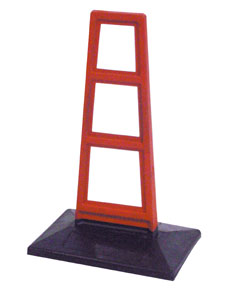
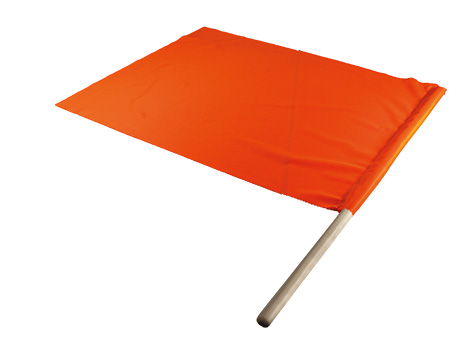
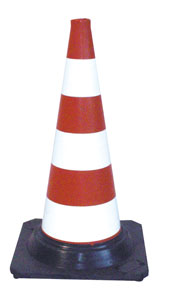
Management of the work area varies considerably depending on the duration and type of works. A long-term fixed site requires structured planning, including advance warning signs, edge delineators, physical barriers and temporary traffic lights. Mobile sites, which advance progressively along the road, instead need rapidly deployable equipment, such as variable message light panels mounted on works vans. A particularly critical application is road signage for asphalting works, where the combined use of rubber cones, flexible delineators and stop/go paddles is vital to channel vehicles smoothly away from paving machines and hot asphalt mix, protecting ground staff without bringing traffic to a standstill.

Stock optimisation and display solutions for hardware stores

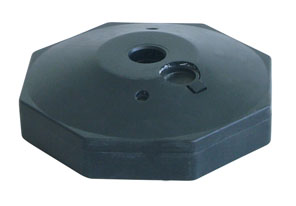
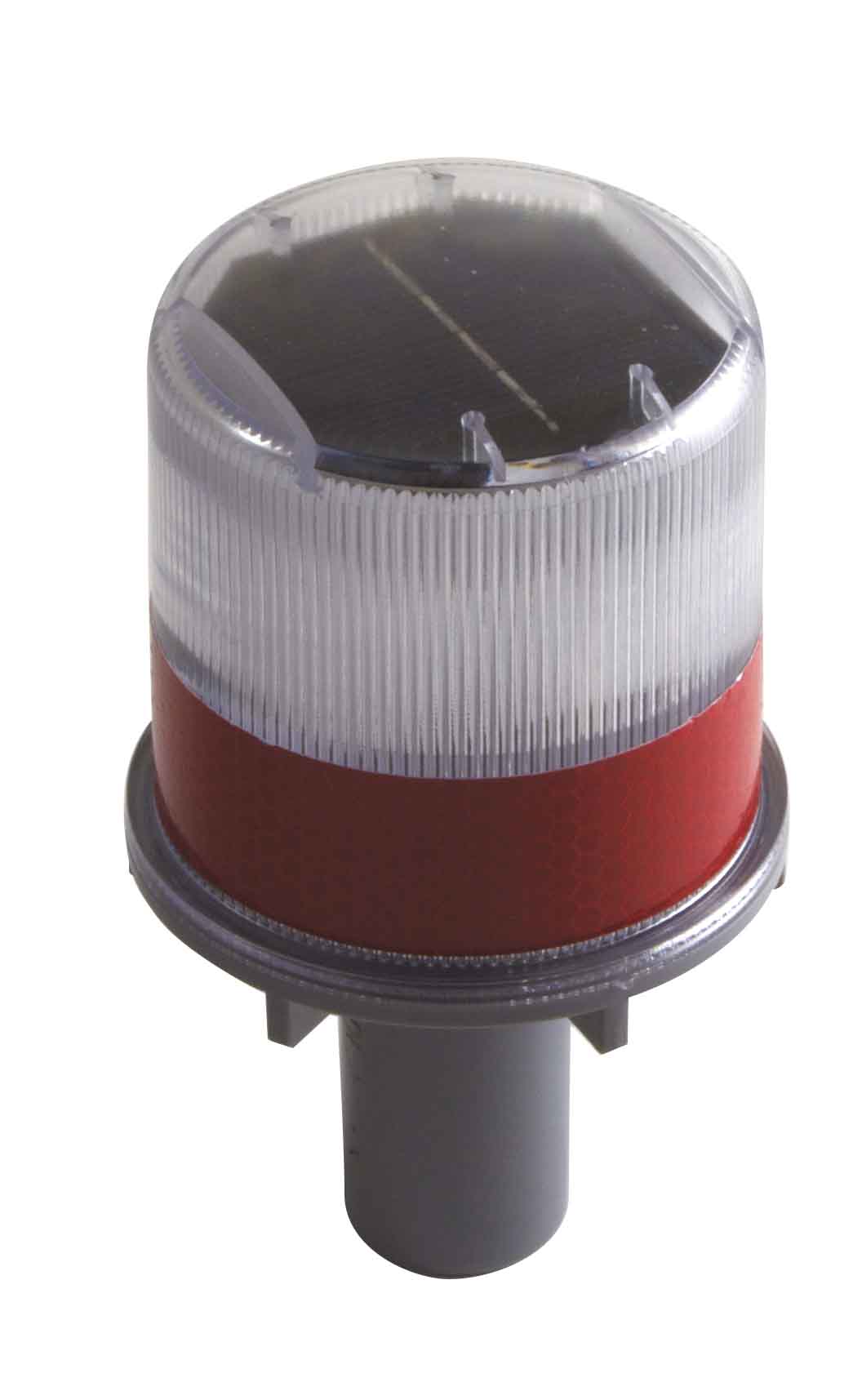
Handling the roadworks equipment segment offers B2B distributors significant commercial opportunities, but it requires optimised warehouse space. Box-edged signs are designed to stack perfectly, while heavy recycled-rubber bases can be safely stacked on standard pallets. In store, the display of these items benefits from the Progetto Rivendita 2.0 approach and lends itself to technical cross-selling. Placing temporary signalling devices alongside high-visibility clothing (garments certified to EN ISO 20471 Class 2 and Class 3), portable lighting systems and personal protective equipment builds a complete offer. This approach raises the average order value and positions the retailer as a technical partner able to supply integrated site safety solutions.

Frequently asked questions

What is the practical difference between Class 1 and Class 2 retroreflective film?

Class 1 films offer a basic level of retroreflection, sufficient only for urban worksites and low-speed areas. Class 2 films, thanks to microprismatic or high-intensity technology, return much more light towards the headlights; they are therefore mandatory on rural roads, motorways and in any situation requiring long-distance visibility to ensure adequate braking distances.

How heavy must rubber bases be to keep temporary signs stable?

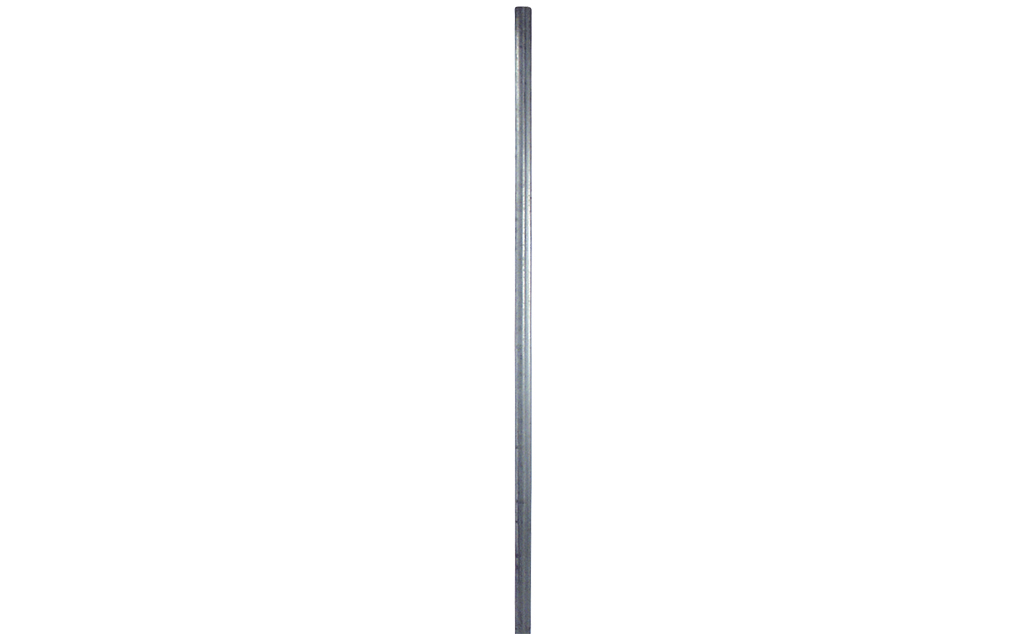
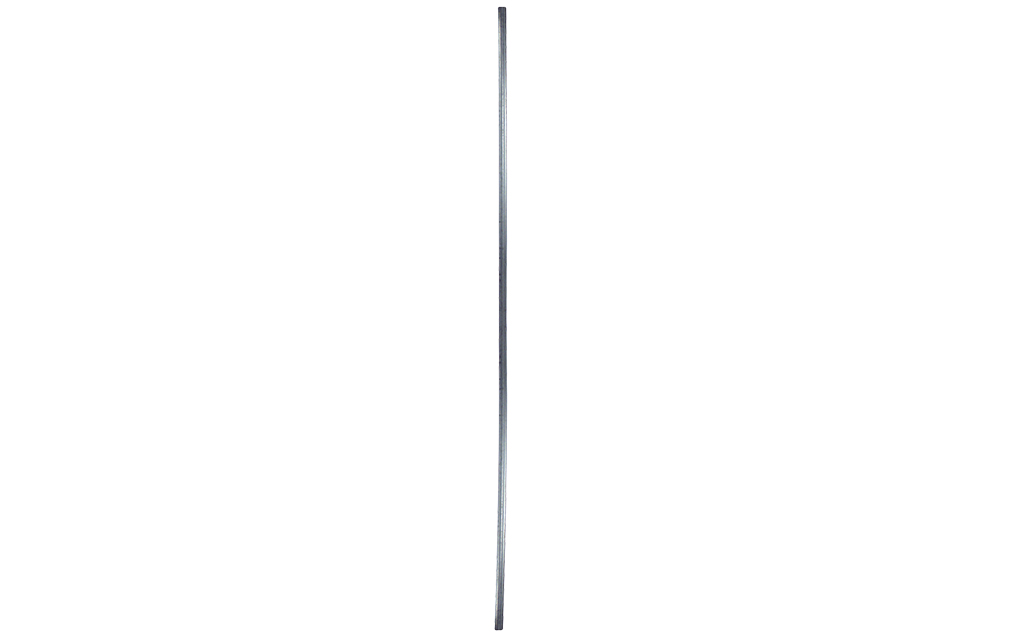
The weight of the bases (or ballast) must be proportionate to the sign surface exposed to wind load, to prevent the sign from tipping over. For standard signs (e.g. triangular signs with 90 cm sides), vulcanised rubber bases weighing 25 to 28 kg are normally used. For multiple configurations or very large signs, standard regulatory practice is to stack several bases on the same tubular post.

At what minimum distance from the worksite must the advance warning sign be placed on an urban local road?

Under the requirements of D.M. 10 July 2002, for worksites on urban local roads the advance warning signage must be installed at least 30 metres before the actual start of the work zone. This distance gives motorists the time they need to perceive the obstacle and adjust their course.

Are 30 cm traffic cones suitable for marking lane narrowings on main rural roads?

No, using 30 cm cones on rural roads is prohibited. The Highway Code establishes that on rural roads or for prolonged delineation, cones with a minimum height of 50 cm (or 75 cm on motorways) must be used, fitted with Class 2 retroreflective bands. The 30 cm versions are restricted to strictly urban use or to very short-duration works (e.g. inspection chamber checks).

Do temporary yellow-background signs override existing permanent signage?

Yes, where instructions conflict, temporary yellow-background signage takes absolute priority over permanent signage. However, the regulations require existing permanent signs that conflict with the worksite signage to be covered (for example with securely fastened opaque covers) or temporarily removed, to avoid dangerous confusion for road users.

Is it permitted to use makeshift concrete blocks or stones to weigh down sign stands?

No, the Technical Specification strictly excludes the use of rigid or blunt unshaped materials (such as stones, bricks or concrete blocks) to ballast equipment. In the event of an accidental impact with a passing vehicle, these items would become dangerous obstacles. Only approved bases in flexible materials such as recycled rubber, or purpose-made sandbags secured non-rigidly, may be used.

Store Locator

Find your nearest FT dealer

Or write to info@ftspa.it for a tailored quote.

Stay up to date