

TOOLS

Construction cutting tools: precision and safety for every material

Cutting building materials quickly and precisely, such as plasterboard sheets, electrical cables, sheet metal and wire mesh, is a daily task common to almost all structural and finishing work on site. Having sharp, durable construction cutting tools with suitable locking systems significantly reduces the operator's physical effort, preventing accidental injuries and delivering first-class results from the very first pass.

For a trade hardware store or specialist B2B distributor, stocking these items guarantees very fast-moving sales. As hand tools subject to heavy abrasive wear, they generate a continuous and predictable repurchase cycle. In addition, the cutting range is ideal for encouraging impulse buys or combined sales (cross-selling) with personal protective equipment, insulating materials and small hardware. Supplying proven, high-performance equipment positions the store as a complete and reliable logistics partner for all the construction companies in the area.

Types and materials of hand cutting tools

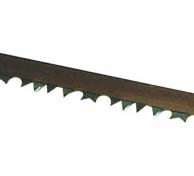
The efficiency of a blade depends on the quality of the metal alloy used in production. Professional items use high-carbon steel, a material that ensures excellent edge retention over time. It is essential to build a differentiated range to meet the various needs of the site, separating tools for insulating materials from those for wood or hard plastics. A prime example is plasterboard saws, with specific triple-ground teeth and a thick blade designed to plunge into gypsum without flexing, ensuring precise cut-outs and clean edges during drylining work.

Strength and performance of metal cutting tools

Work involving steel and iron requires greater mechanical force. Tools designed for this purpose undergo induction hardening directly on the cutting edges, increasing surface hardness to resist wear. Tin snips, for example, incorporate double-lever mechanisms designed to multiply the force applied by the hand, allowing metal profiles and sheet metalwork to be cut with minimal effort. Similarly, long-handled bolt cutters are indispensable for cutting welded mesh and reinforcing bars, using the leverage principle to sever thicker gauges without straining the metal structure.

Safety and ergonomics of site knives and snips

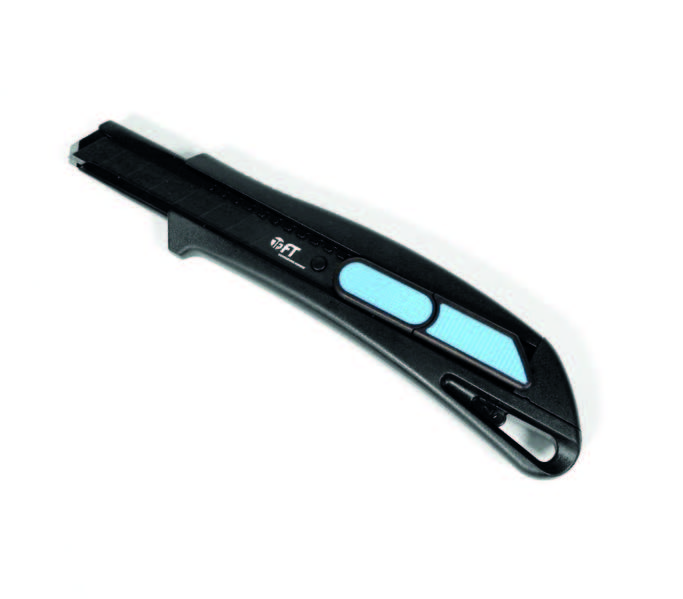
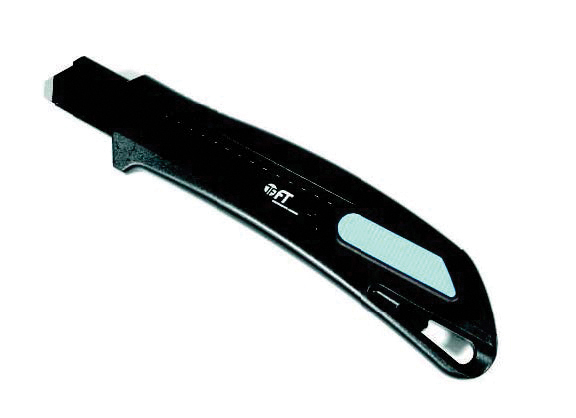
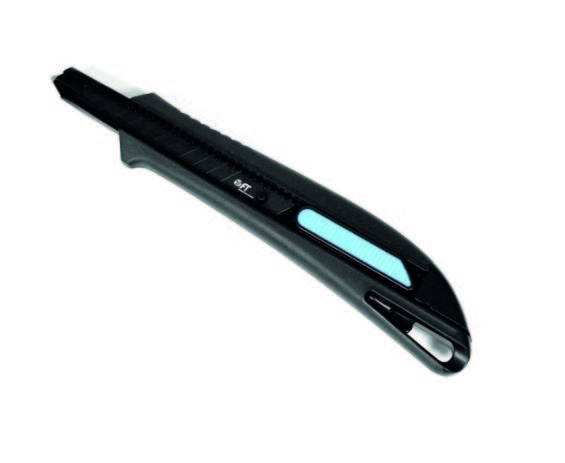
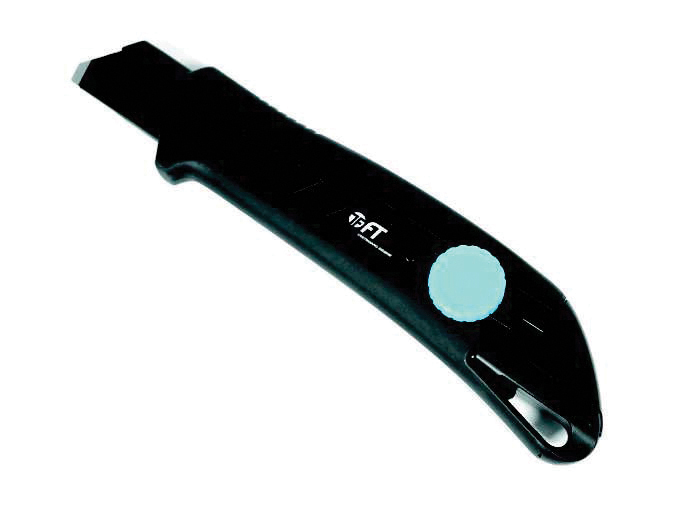
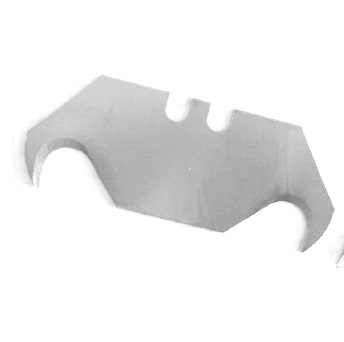
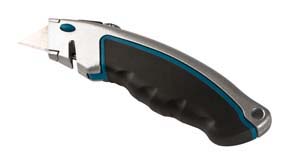
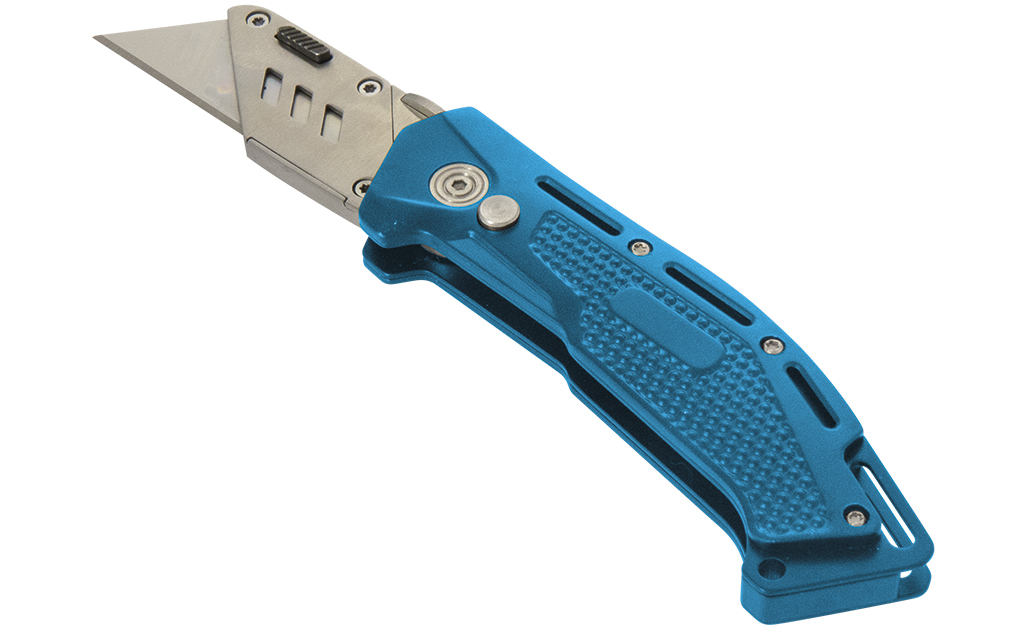
Handling cutting tools in demanding working conditions exposes the operator to high risks. Ergonomics plays a decisive role in preventing injuries. Two-component handles with non-slip rubber inserts ensure a firm grip even in damp conditions or when wearing work gloves. The latest utility knives feature slider locking wheels and quick-release mechanisms that prevent the blade segment from accidentally retracting under pressure. To maintain safety and precision, frequent use of professional replacement blades is recommended, and materials must never be forced with blunt or chipped tools that could slip during the cut.

Store organisation and logistics advantages

If not managed rationally, hand tools tend to create visual clutter and take up valuable space on hardware store counters. Wall displays, pegboards and blister packaging keep small items perfectly tidy, sorted by type and always clearly visible. This vertical organisation makes self-service purchasing easier for professionals, reducing requests for assistance from store staff. On the logistics side, FT SPA supports its distributors with fast shipping directly from its central hub. This rapid order fulfilment helps avoid stock-outs of the most popular sizes, keeping the warehouse ready to meet contractors' urgent needs.

Frequently asked questions

Which are the safest hand tools for cutting welded mesh on site?

For the standard gauges used in construction, we recommend double-lever bolt cutters with long tubular steel handles. These tools multiply manual force and keep the operator at a safe distance from the sharp edges of the cut metal.

Can straight-cut tin snips also be used to shape plasterboard metal profiles?

Yes, straight-cut models are perfect for cutting the aluminium or galvanised steel tracks and studs of plasterboard systems, ensuring clean edges without deforming the geometry of the metal profile.

Are there universal professional replacement blades compatible with most utility knives on the market?

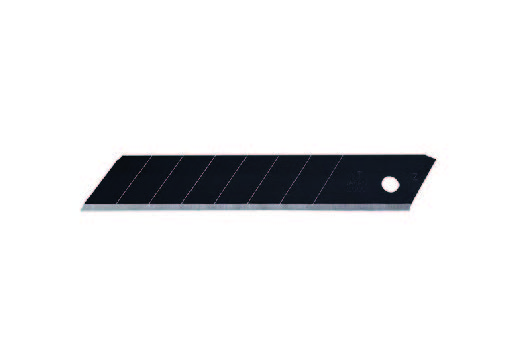
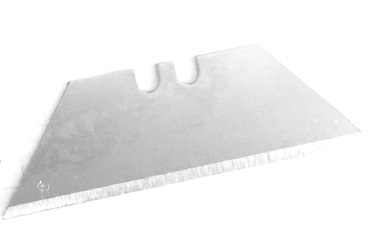
Almost all professional utility knives use standardised formats, generally 18 mm or 25 mm snap-off blades, or fixed trapezoidal blades. Simply check the slider width of your tool to ensure the consumable is fully compatible.

What teeth should a good plasterboard saw have to ensure clean, burr-free cuts?

An optimal tool has a rigid blade with a sharp point (to pierce the centre of the board easily) and aggressive teeth, usually triple-ground, designed to clear gypsum dust quickly and leave perfectly clean edges.

How can you prevent steel-bladed tools from rusting if left outdoors or in damp environments?

Quality tools feature protective coatings such as chrome plating or bluing. It is nevertheless advisable to clean material residue from the cutting edges after use and apply a thin layer of lubricating oil to isolate the steel from atmospheric moisture.

How can I display utility knives and blades rationally and safely in my store without cluttering the shelves?

Hooks on vertical pegboards are the best solution. Blister-packed products take up little space, protect customers from accidental contact with sharp edges and make it easy to find the model they want straight away.

Store Locator

Find your nearest FT dealer

Or write to info@ftspa.it for a tailored quote.

Stay up to date