TOOLS

Tiling tools: precision and speed when laying floor and wall coverings

Laying modern ceramic and porcelain stoneware coverings requires millimetre precision. Working with ever thinner tiles and large-format slabs makes any cutting or levelling error unacceptable, so professionals must use flawless technical equipment. Tools for tilers are the essential kit for achieving a first-class aesthetic and structural result, reducing material waste and optimising site schedules.

For a trade hardware store or a B2B building materials retailer, stocking these items is a strategic opportunity of the highest importance. These are very fast-moving products that sit naturally alongside sales of the covering itself, mortars and adhesives, encouraging valuable cross-selling. Supplying precision equipment and reliable consumables builds the loyalty of tilers, who will need continuous restocking, turning the store into the go-to partner for every stage of the job, from substrate preparation to final grouting.

Choosing the best tools for tilers

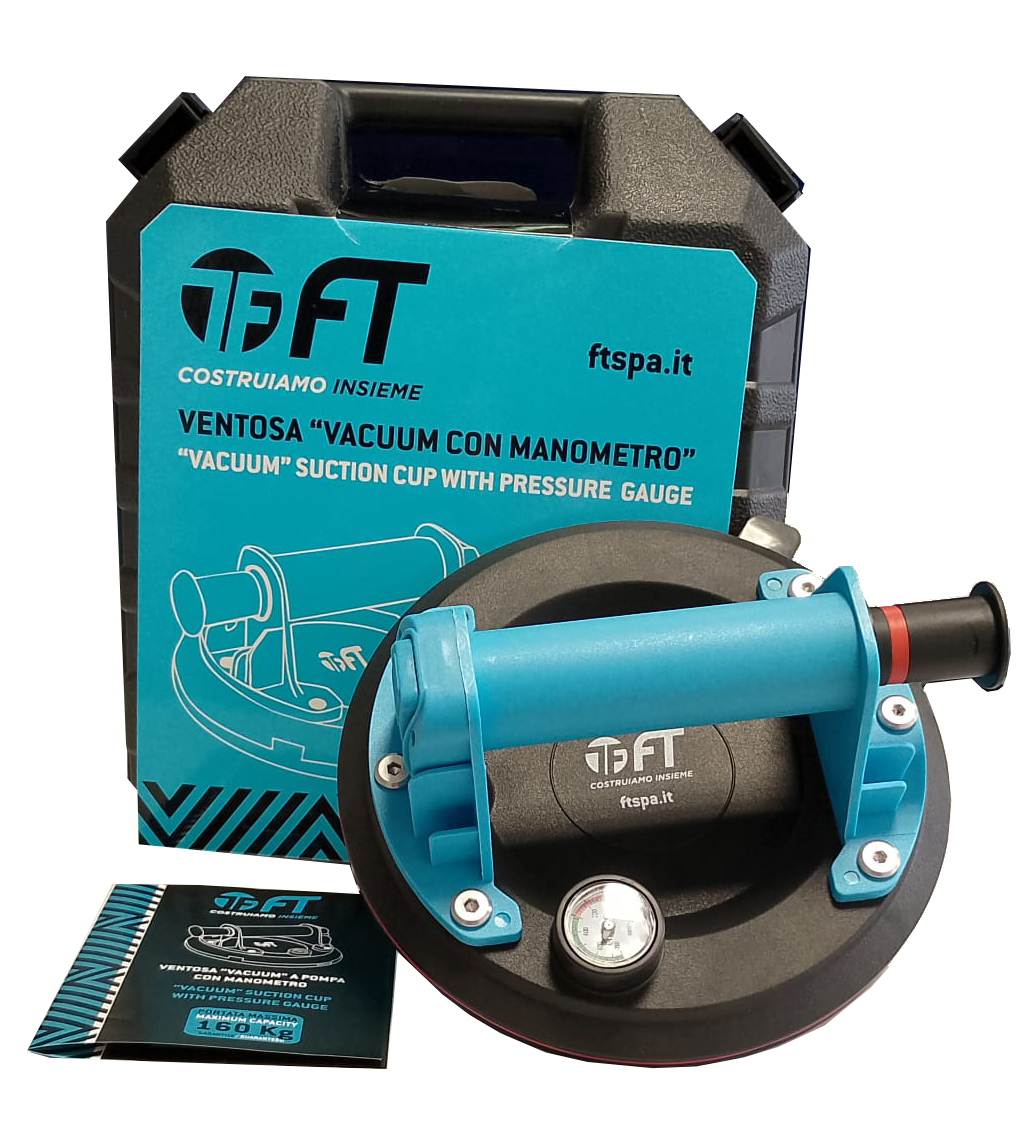
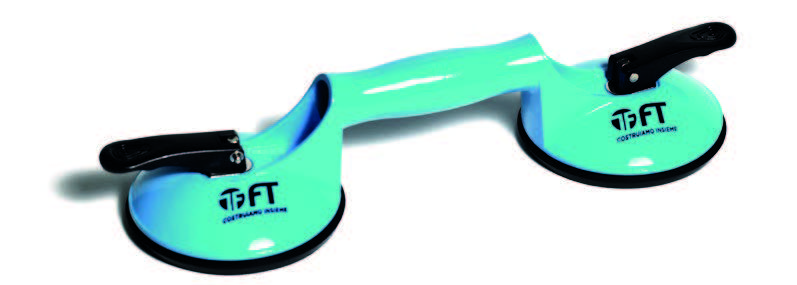
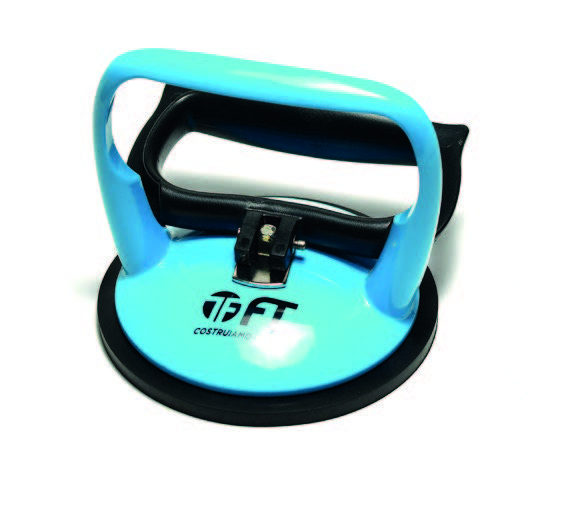
The initial preparation and measuring stages define the quality of the entire job. A professional technical kit must include manual tile cutters with high-precision scoring guides, essential for cutting porcelain stoneware and hard ceramics without chipping the surface glaze. Beyond straight cutting, handling slabs safely requires pump suction cups with a vacuum indicator. The basic kit is completed by white rubber mallets, indispensable for bedding the material into the adhesive without leaving unsightly black marks on freshly laid light-coloured surfaces.

Geometric precision and tools for laying tiles

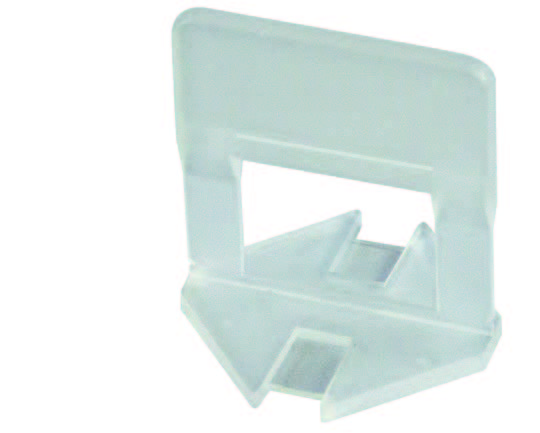
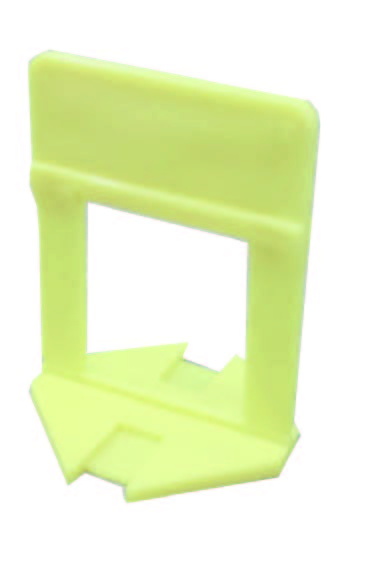
Achieving perfect flatness is the main challenge for every professional, especially when working on uneven screeds or with rectangular formats prone to natural bowing. To eliminate lipping between tiles, the construction market uses modern levelling systems. These kits rely on the mechanical interaction between disposable clips, reusable wedges and metal tensioning pliers. Supplying these specific tools for laying tiles guarantees the retailer a steady income: bases and clips are primary consumables that professionals will inevitably have to buy again in large quantities for every new site.

Maintenance, grouting and tile tools

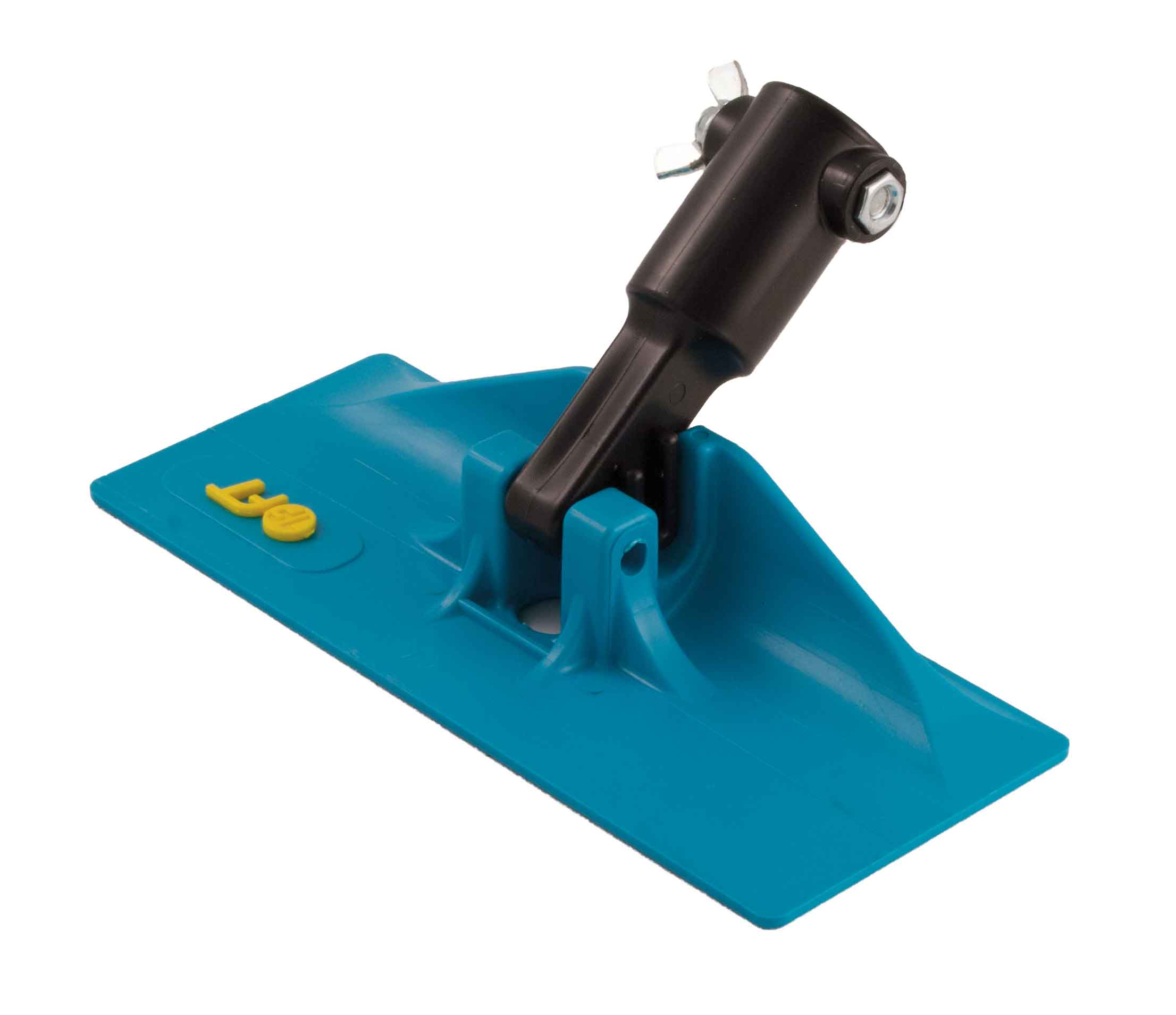
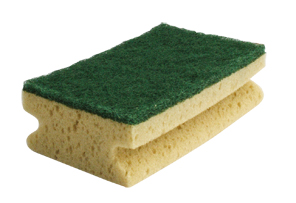
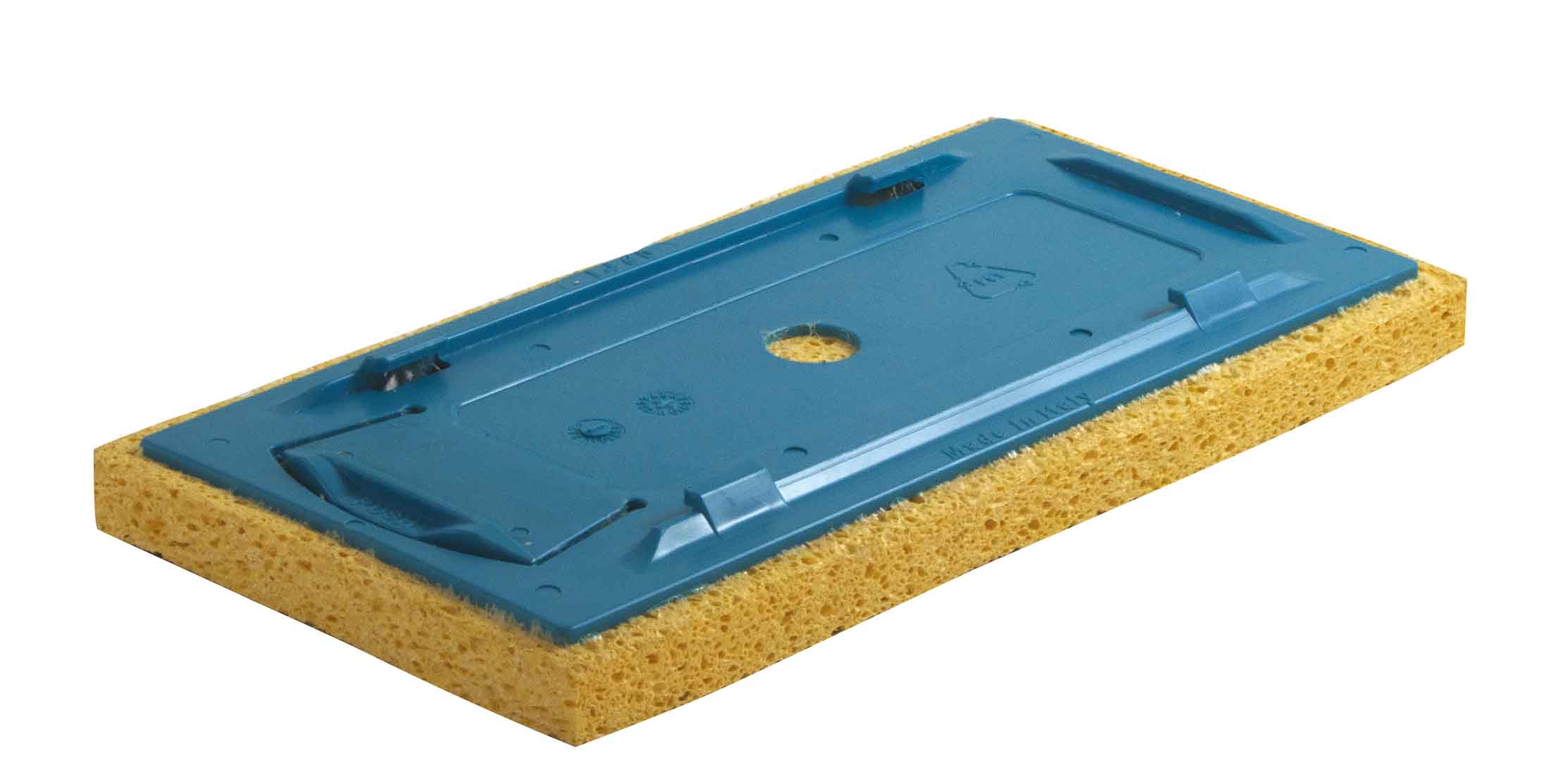
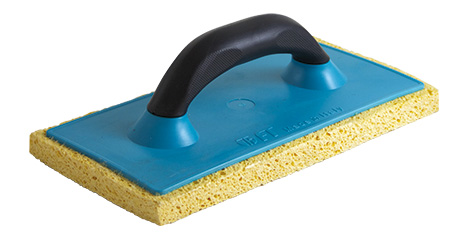
Once bonding is complete, the joint grouting and washing stages require equal care so as not to compromise the final appearance. Grouting is done with special flexible rubber floats, designed to push the grout deep into the joint without scratching the tile edges. The covering must then be cleaned using a professional bucket with wringer rollers. A sponge float, which acts as a true tile-cleaning tool, quickly removes cement slurry and mortar residue before final setting, keeping the joints uniform and the ceramic gleaming.

In-store layout and B2B logistics support

A truly complete commercial offer must cover the entire work cycle, including the preliminary removal of old coverings. Offering wide chisels, hand scrapers and specific tile removal tools greatly increases sales opportunities even before laying begins. In terms of display, it is strategic to organise the in-store department by grouping tools according to the main application stages: one area for cutting, one for levelling and one for washing. FT SPA supports distributors with efficient logistics and fast shipping, guaranteeing timely restocking to avoid sudden stock-outs of consumables during peak periods.

Frequently asked questions

What are the advantages of wedge levelling systems over traditional cross spacers?

As well as setting a constant joint width like traditional cross spacers, wedge systems exert strong vertical mechanical pressure between adjacent slabs. This action aligns the surfaces perfectly, completely eliminating any lipping and ensuring flawless flatness while the adhesive dries.

How do you choose the right suction cup for handling large-format porcelain stoneware slabs?

For formats over 120 cm, which are considerably heavy, pump suction cups with a vacuum indicator are essential. This allows the tiler to constantly monitor the vacuum seal, preventing dangerous accidental drops of the slab during lifting.

Which tile removal tools do you recommend for renovation work that won't damage the underlying screed?

To preserve the integrity of the screed or plaster, we recommend flexible spade chisels fitted to lightweight power tools, or hand scrapers in hardened steel. These tools penetrate the adhesive layer precisely without scoring or breaking up the substrate underneath.

Is there a specific tile-cleaning tool for removing stubborn epoxy grout residue?

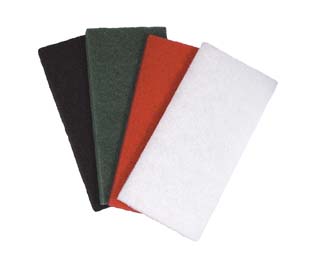
Yes, for epoxy grouts (which harden very quickly) hand floats fitted with interchangeable synthetic-fibre abrasive pads are used. Combined with specific alkaline cleaners, these pads effectively remove polymer haze without dulling or scratching the covering.

How can I arrange the display of these tools in my store to drive combined sales with adhesives?

We recommend creating themed display islands, placing laying equipment (levelling systems, notched trowels, buckets) close to the pallets or shelves holding adhesives and grouts. This physical proximity makes it easy for construction professionals to buy everything they need on their own.

Do you guarantee fast shipping if my contractor customers run out of disposable clips during a job?

Our logistics network covers the whole of Italy to process orders quickly. This service allows B2B retailers to promptly make up for any shortages on the shelf, ensuring operational continuity for contractors.

Store Locator

Find your nearest FT dealer

Or write to info@ftspa.it for a tailored quote.

Stay up to date