
TOOLS

Site lasers: precision and reliability for professional surveying

Square layout and level surveying are crucial phases in any construction or interior finishing project. Site lasers have become standard equipment for drywall installers, tilers, building services installers and construction companies, gradually replacing manual instruments thanks to their speed of operation. For a technical hardware store or a B2B retailer, offering a complete range of these devices means capturing demand from professionals who need to optimise installation times and eliminate any margin of structural error.

Selecting the items for the shelf requires careful assessment of optical and construction specifications. The retailer should focus the offer on models with robust rubberised housings and a high IP rating against the ingress of fine dust and water splashes, constant features of construction environments. Supplying reliable instruments that withstand the toughest operating conditions strengthens the store's role as a qualified technical supplier, able to support contractors in all work that demands strictly millimetre-accurate alignment.

Types and technologies of site laser tools

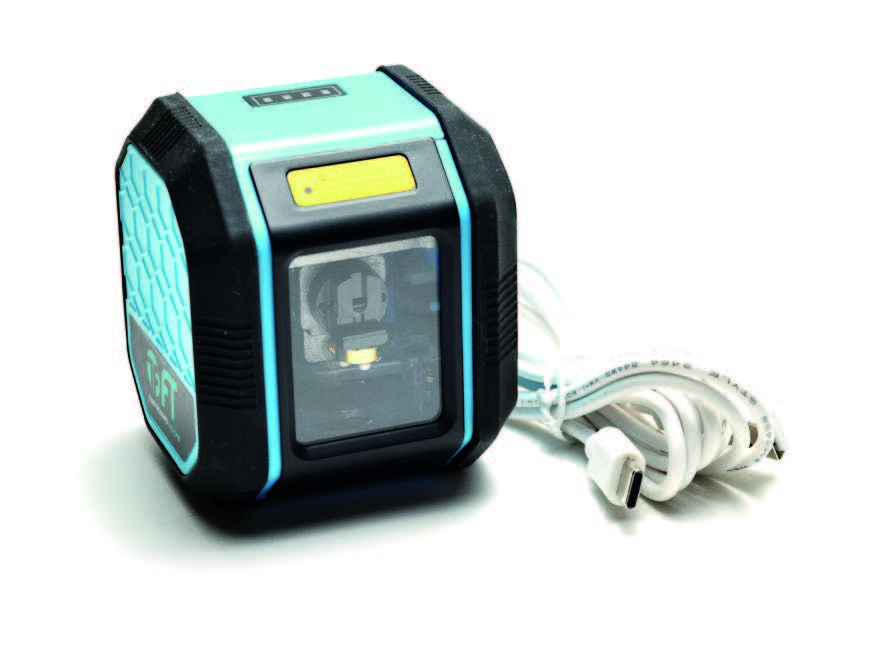
The optical measurement market offers different solutions depending on the complexity of the survey. Cross-line models project simultaneous vertical and horizontal beams, making them essential for interior finishing, drywall installation and ceramic tiling, covering standard working distances of 15 to 30 metres. For work over large areas and in open ground, such as pouring foundations or levelling land, rotary systems are used, capable of generating a 360-degree reference plane and reaching ranges of over 400 metres with the aid of a receiver. In many situations, a multi-point laser makes it easier to plumb and transfer coordinates squarely from floor to ceiling, a frequent operation in plumbing, heating and electrical installation. The classic compact laser level, on the other hand, remains the solution of choice for quick alignments at short distances and for carpentry work.

Beam visibility and technical specifications of site laser tools

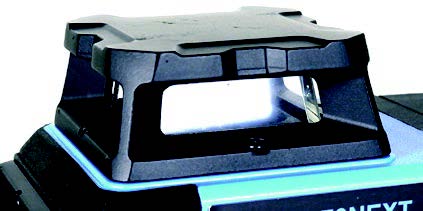
The optical component defines the device's real performance in the field. Devices fitted with a green diode offer up to four times greater visibility to the human eye than the traditional red diode, making them ideal for brightly lit interiors or near large windows. A fundamental mechanical parameter is the self-levelling function, managed by a magnetic pendulum compensator or electronic servo motors, which automatically compensates for inclinations of the base of up to 4 degrees. As well as guaranteeing minimal measuring tolerances (generally ± 0.2 mm/m), the technical evolution of the professional laser level calls for a pendulum lock. This mechanical function secures the delicate internal optical assembly during transport, preventing accidental damage, while also allowing the operator to project fixed inclined lines, essential for laying out ramps, stairs or handrails.

Display management and benefits for technical retailers

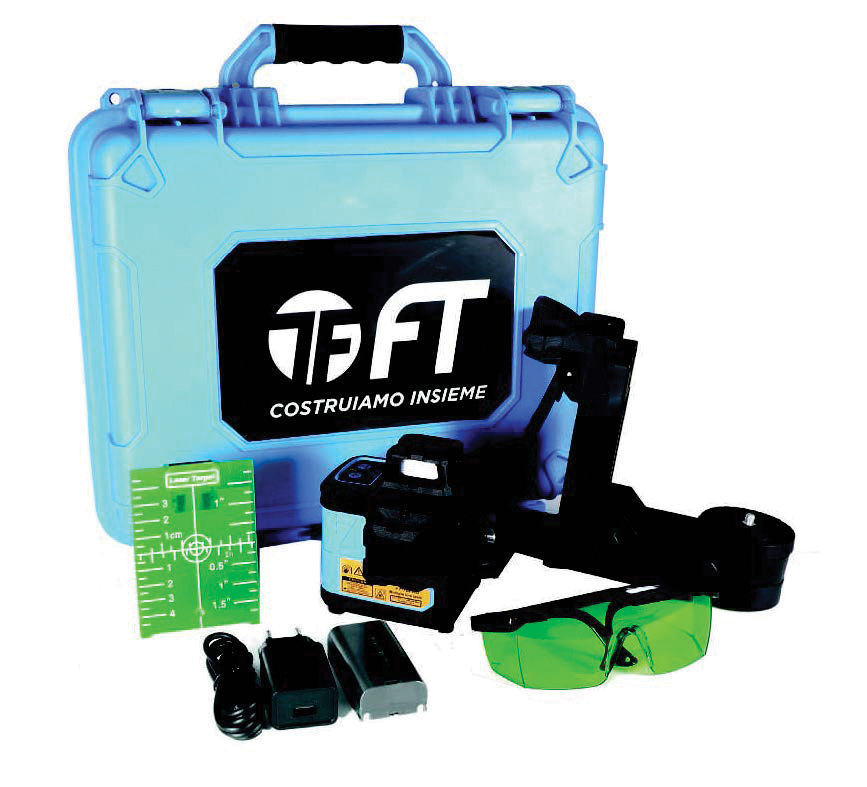
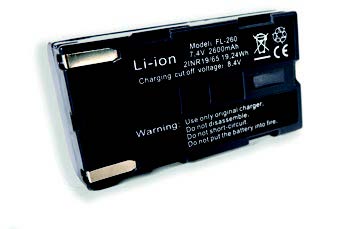
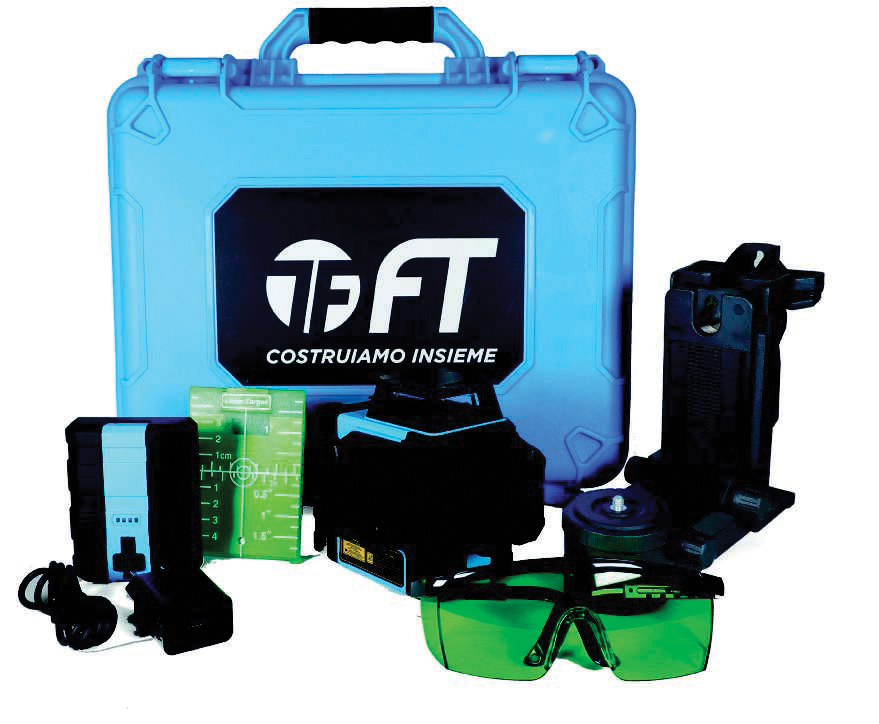
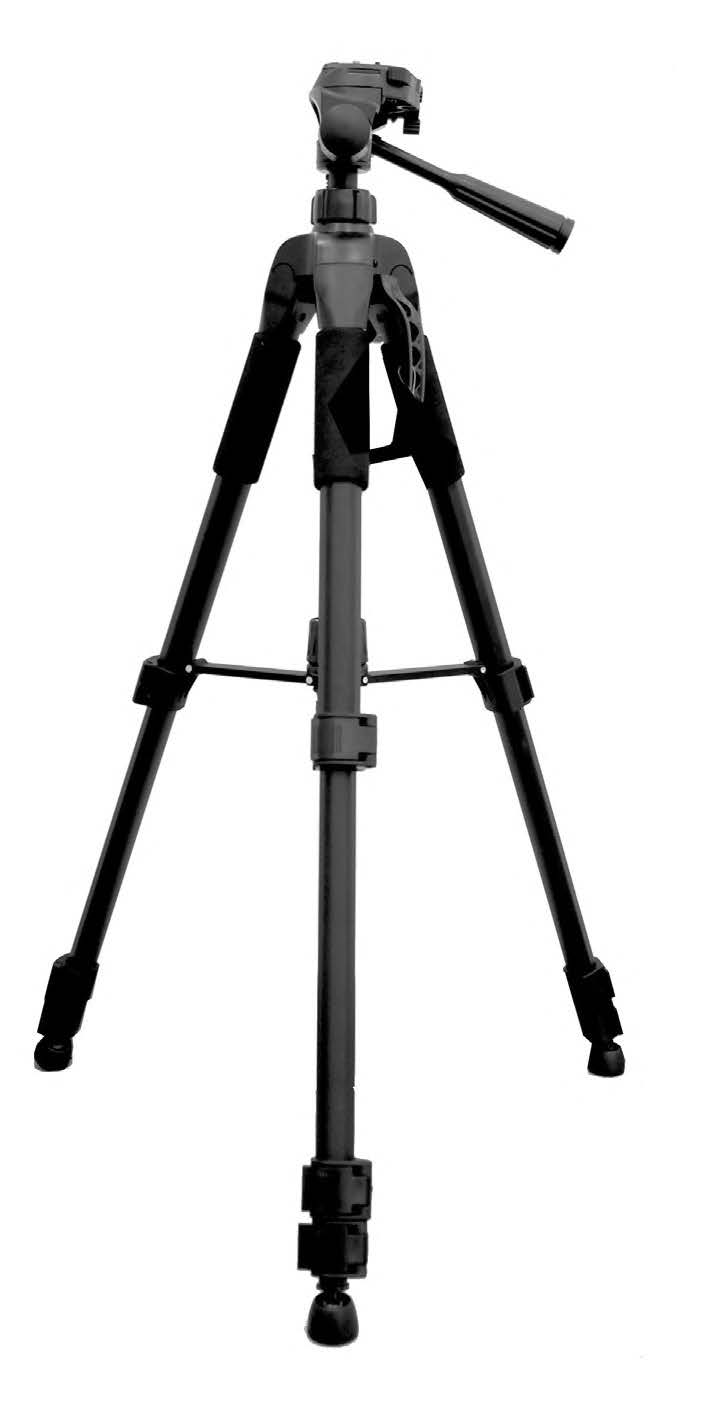
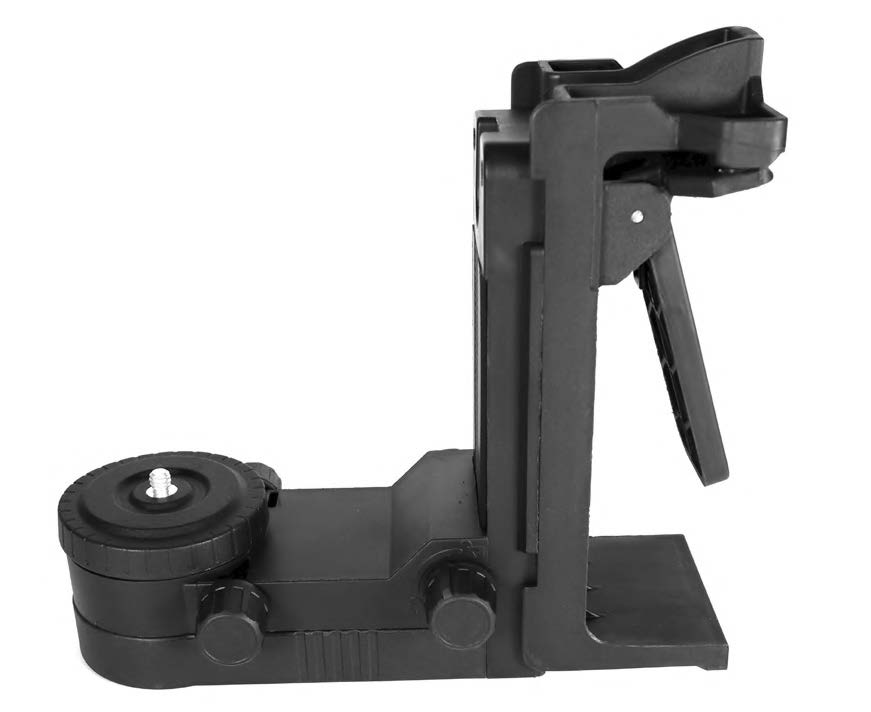
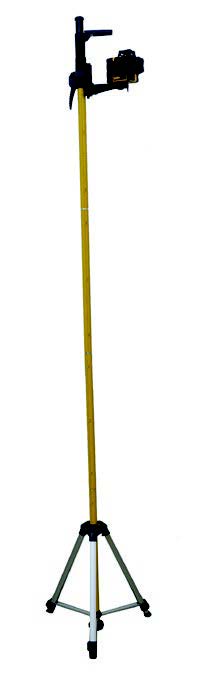
Selling precision optical instruments requires specific sales approaches. The B2B store gains a real advantage by offering pre-assembled kits, including the projection instrument, an aluminium tripod with a standard mount (1/4 or 5/8 inch), a magnetic wall bracket and a shockproof carry case. In-store display, in line with the guidelines of Progetto Rivendita 2.0, calls for dedicated, illuminated cabinets, visually separated from small parts and heavy hand tools, to showcase the high technological content of these items. Ensuring constant availability of complementary accessories, such as spare lithium batteries, high-contrast magnetic targets and telescopic graduated staffs, encourages cross-selling and ensures uninterrupted operations on site for construction companies.

Frequently asked questions

What is the real advantage of a green diode beam over a traditional red diode?

The advantage lies in the visual perception of the human eye, which is more sensitive to green wavelengths. For the same output power, a green beam appears up to four times brighter and sharper than a red one, making layout easier in very bright or dusty interiors and reducing operator eye strain.

What is the maximum distance at which a laser level can be used outdoors?

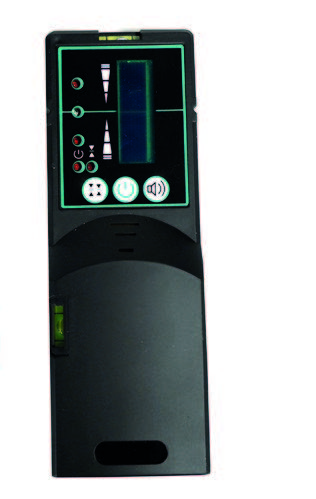
Outdoors, in direct sunlight, the beam becomes invisible to the naked eye just a few metres away, regardless of the diode colour. For outdoor measurements, the instrument must be paired with an acoustic receiver (laser detector), which picks up the beam's frequency and signals correct alignment with visual indications on the display and audible alerts, extending the range to several hundred metres.

What happens if the instrument is subjected to slight vibration or is accidentally knocked during measurement?

Professional instruments feature a safety system known as the "out-of-level" function or levelling alarm. If the device is knocked beyond its automatic compensation range (usually ± 4°), the beams start flashing rapidly and an audible signal sounds, preventing the operator from marking incorrect references.

Do the red- or green-lens glasses supplied in kits protect the eyes from the beam?

No. These glasses are not Personal Protective Equipment (PPE) and do not filter the beam's radiation. They are visibility-enhancing glasses: their sole purpose is to increase the colour contrast between the beam and the surface onto which it is projected, making the line easier to spot at greater distances.

Is periodic maintenance or calibration needed to maintain the stated accuracy?

As these are high-precision opto-mechanical instruments, it is advisable to have the calibration checked at authorised service centres at least once a year, especially if the device is used daily on site. Immediate recalibration, on the other hand, is mandatory after a significant accidental drop or a violent impact during transport.

Store Locator

Find your nearest FT dealer

Or write to info@ftspa.it for a tailored quote.

Stay up to date