TOOLS

Measuring tools: precision, tolerances and durability for the building site

The correct execution of any building work, from setting out foundations to laying finishes, depends on the absolute reliability of measuring tools. A millimetre error during surveying or setting out can turn into costly structural defects, wasted materials and unacceptable delays for the contractor. That is why using equipment that combines very high precision with strong mechanical resistance is a non-negotiable requirement on site.

For professional hardware stores and B2B distributors, supplying items certified to strict European regulations (such as the MID Directive) is a strategic advantage. Choosing tools with shockproof housings, abrasion-resistant measuring blades and distortion-proof levels means giving customers consistently accurate measurements, even in the harshest environmental conditions. A high-quality technical range drastically reduces returns due to accidental breakage, cuts the hidden costs of on-site errors and strengthens the store's reputation as a specialist partner for trade professionals.

Tolerances and abrasion resistance for tape measures and measuring tapes

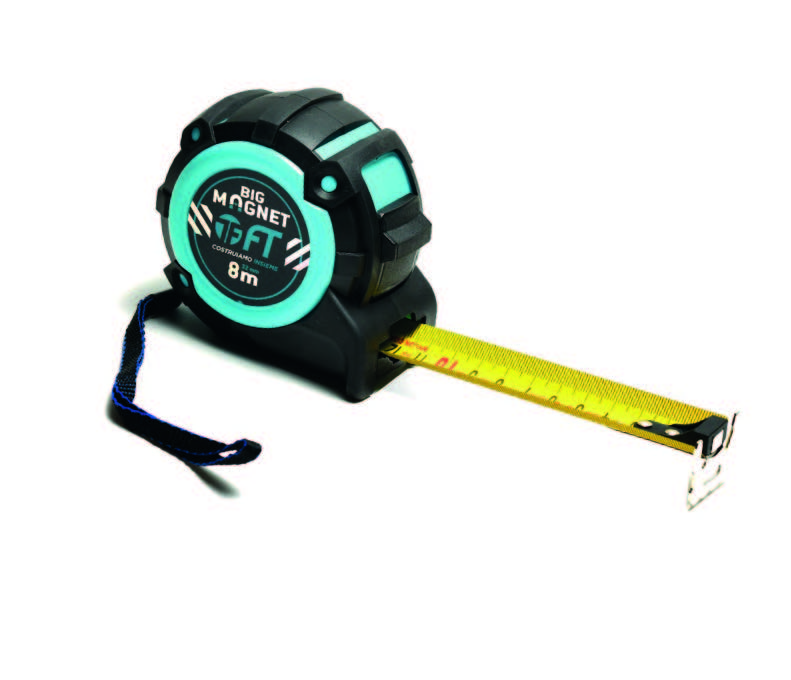
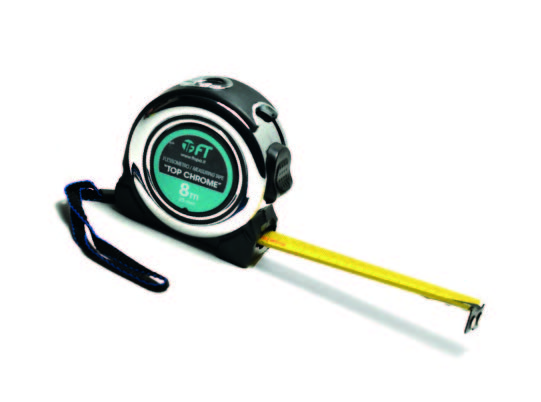
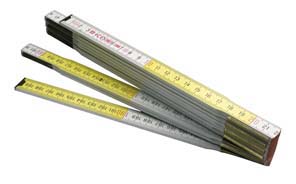
Linear accuracy in construction is governed by strict regulations. MID marking (Measuring Instruments Directive) certifies the permitted error tolerances, classifying tools according to their intrinsic precision. Class II is the standard for professional construction, ensuring negligible deviations even over medium and long distances. Beyond metrological accuracy, the durability of the steel blade is essential: the best-performing models feature extruded nylon coatings or special protective polymers. These treatments prevent abrasion caused by constant sliding over sand, concrete and rough surfaces, keeping the graduated scale legible at all times. The outer cases, typically made of two-component ABS with thermoplastic rubber inserts, are specifically designed to absorb the kinetic energy of accidental drops from scaffolding or ladders, protecting the delicate spring of the internal rewind mechanism.

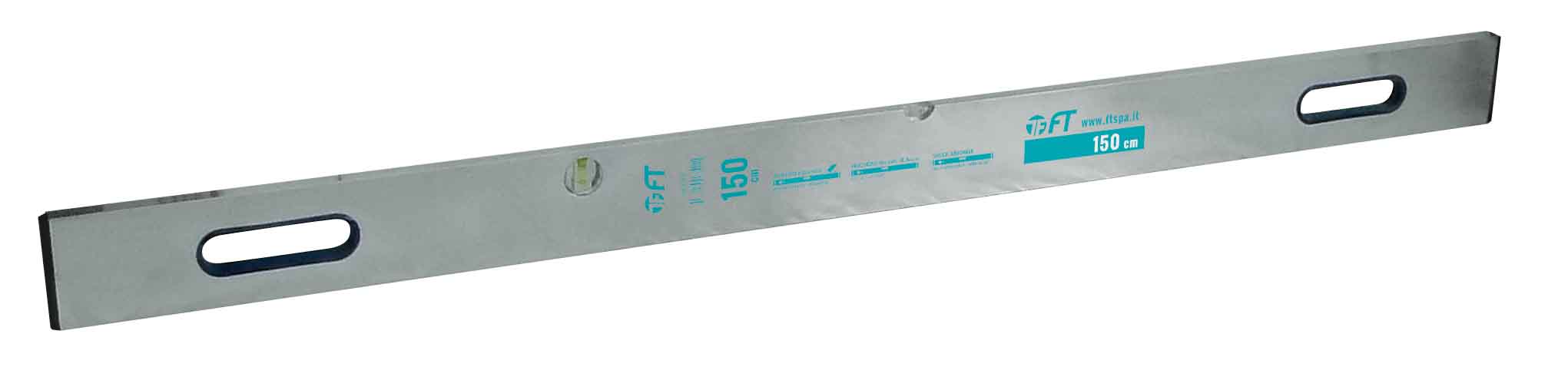
Guaranteed flatness: aluminium spirit levels and straightedges

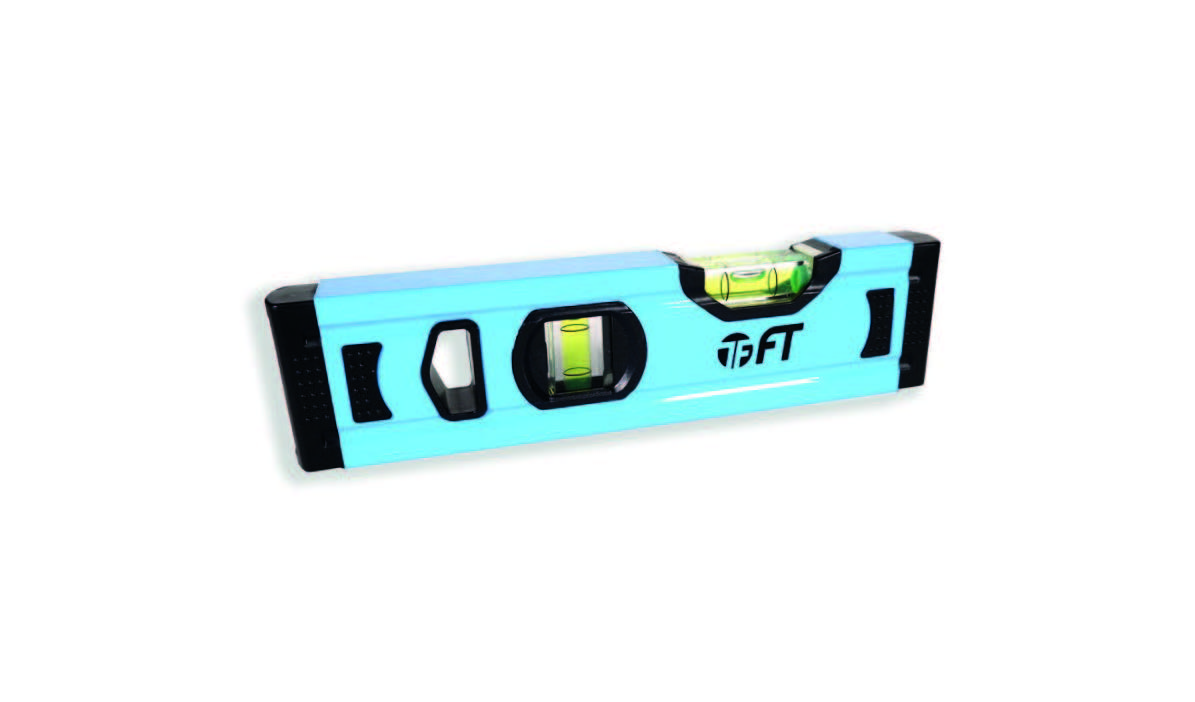
Checking falls, as well as horizontal and vertical alignment, requires structurally stable, distortion-proof tools. The measuring face must be perfectly ground (milled) to deliver contact readings with no deviation. The heart of these construction measuring tools, however, lies in vial technology. Professional versions abandon glass in favour of solid acrylic block vials, ultrasonically welded and set into the profile to withstand extreme impacts and vibration. The sealed contrast liquid is chemically formulated to resist prolonged UV exposure without fading and to avoid abnormal bubbles under sharp temperature swings. The sensitivity of high-end vials allows an immediate, unambiguous reading of the air bubble: essential equipment for rigorously checking brick walls, self-levelling screeds and formwork before pouring.

Displaying setting-out equipment in the B2B store

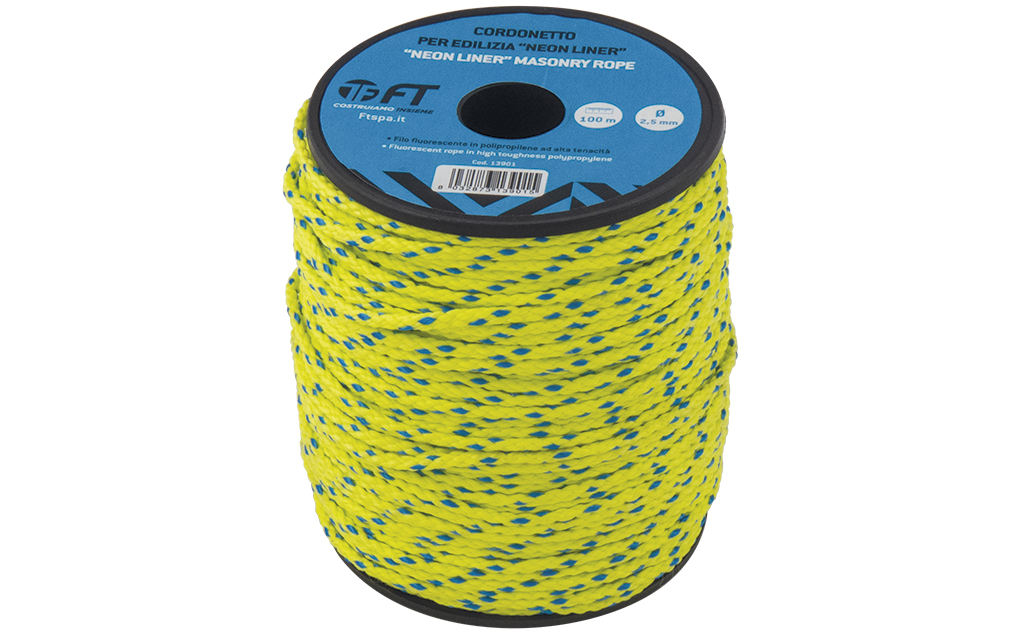
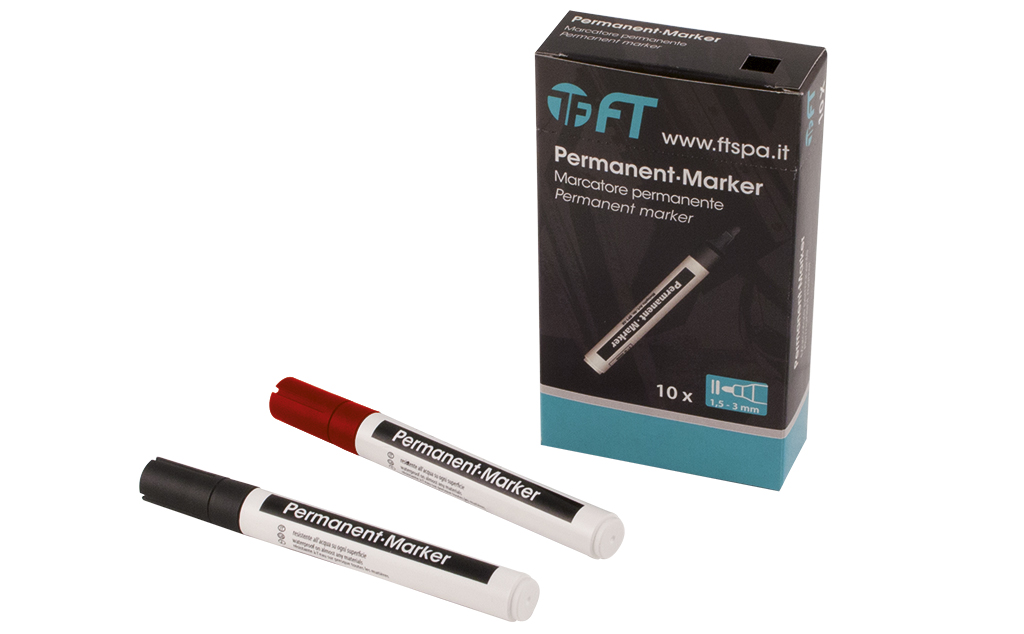
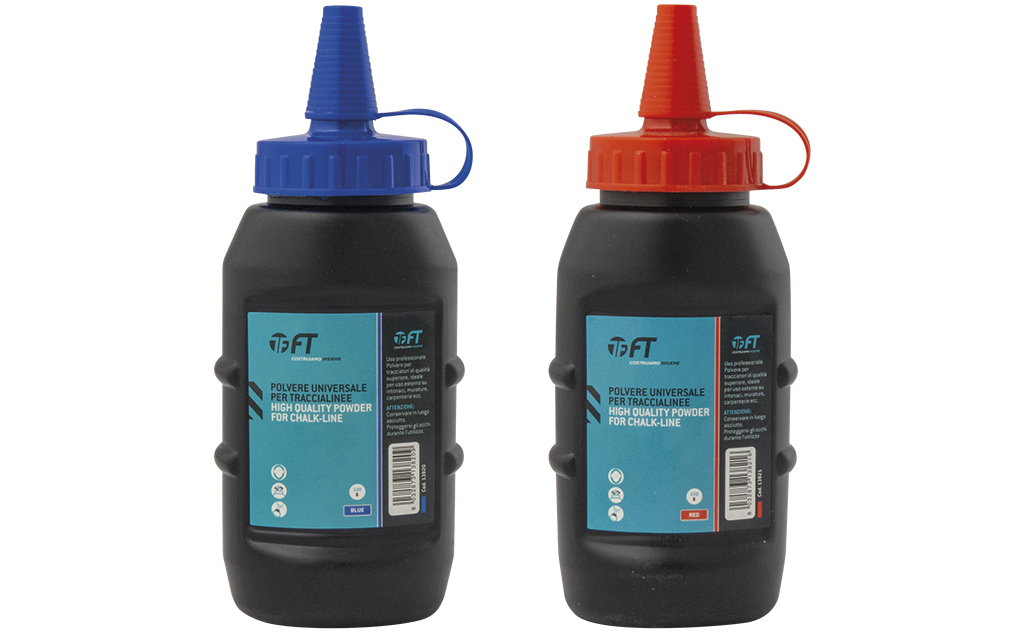
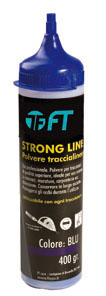
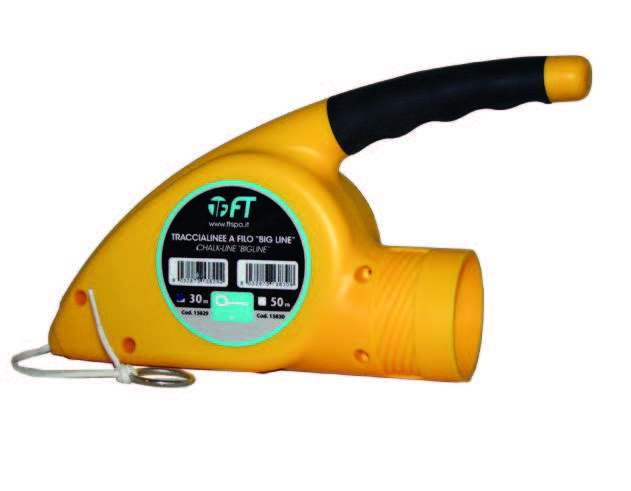
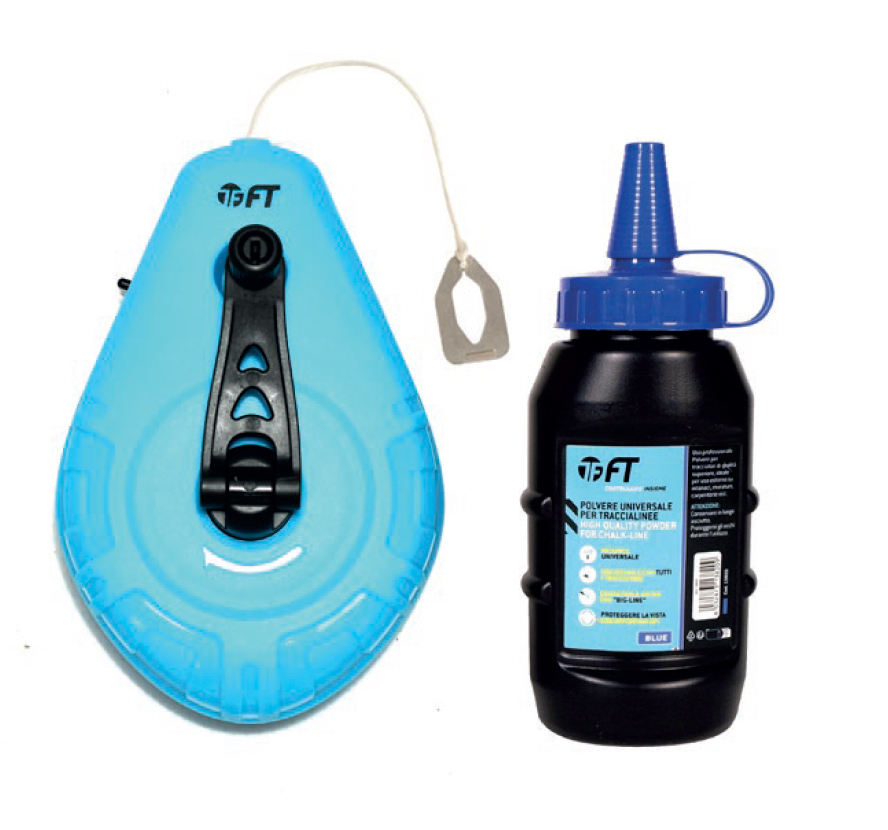
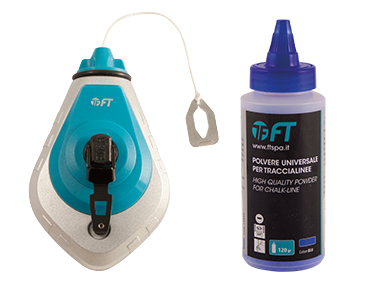
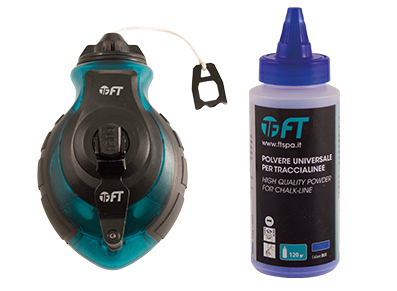
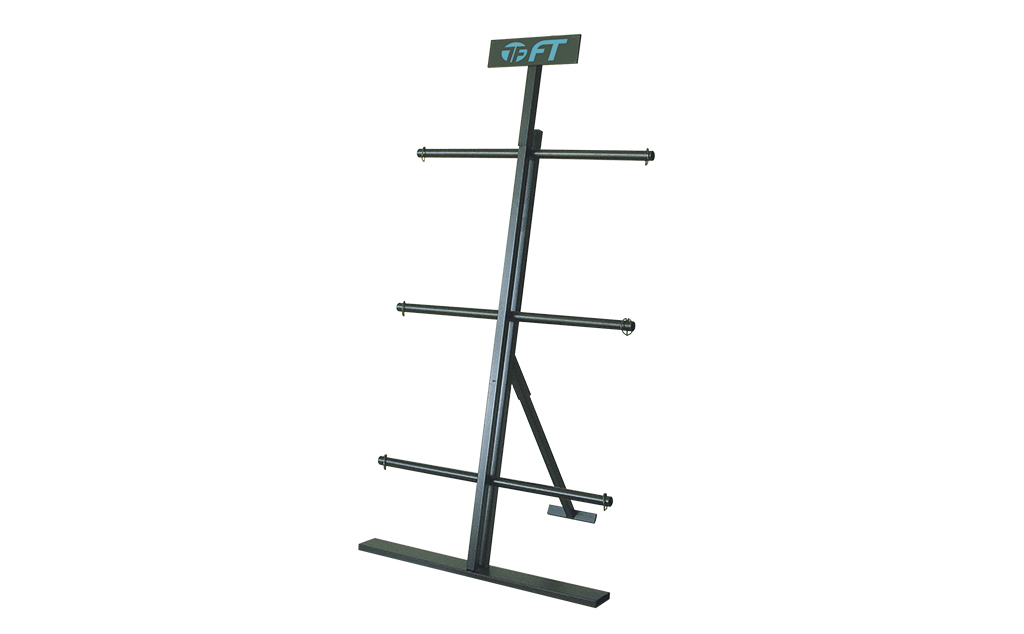
Physical marking-out work calls for equally robust consumables and devices. Professional chalk lines (cordex) feature fast-rewind mechanisms with metal gears, essential for reducing the operator's downtime. These tools, together with coloured chalk powders and industrial marking pens, must work on dusty, wet or uneven surfaces without losing visibility. From a commercial and showroom layout point of view, these items are managed most effectively by applying the "Progetto Rivendita 2.0" criteria. Creating a display area for surveying and setting out next to the power tools for cutting (such as angle grinders, circular saws and tile cutters) and to chemical and mechanical anchoring systems encourages combined purchases. Strategically placing refill chalk and powders near the spirit levels naturally increases the average receipt, giving the building contractor a complete supply solution in a single display point.

Frequently asked questions

What does the "MID Class II" marking printed at the start of the tape measure blade mean?

It indicates the legally permitted error tolerance under the European Measuring Instruments Directive (MID). In Class II, over 10 metres of extended blade, the maximum permitted error is just ±2.3 mm. This parameter objectively guarantees the high precision required for professional construction and carpentry.

Why is the end hook on professional tape measures slightly loose?

Is it a defect? No, it is not. The play in the metal hook (known as "true zero") is an intentional mechanical joint that compensates exactly for its own thickness. When measuring by pushing against a wall, the hook slides in; when measuring by pulling from an edge, the hook slides out. This ensures perfect millimetre measurements in both situations.

If an aluminium spirit level suffers a heavy fall, can the internal vials be recalibrated?

In professional spirit levels fitted with ultrasonically welded acrylic block vials secured with epoxy resin, the factory calibration is permanent and cannot be adjusted. If the aluminium profile is structurally deformed by a very violent impact, the tool irretrievably loses its original calibration and must be replaced to avoid costly flatness errors.

Which chalk line colour is best for outdoor use on damp surfaces?

For outdoor applications exposed to the weather, red powders based on iron oxide or synthetic pigments offer the greatest persistence, resisting water and foot traffic. Blue is considered the standard colour for general use, while white is preferred for indoor marking (or on dark materials) where the line needs to be removed quickly and easily without staining the finishes.

For measurements over 20 metres on site, is a fibreglass or steel long tape better?

The choice depends on the working context. Fibreglass is dielectric (it does not conduct electricity), lightweight, washable and rustproof, making it ideal for roadworks, muddy conditions or work near cables. Steel, although potentially prone to wear from oxidation if not kept dry, offers far greater resistance to stretching under strong tension, ensuring greater metric accuracy over very long distances.

How do you clean the slot of a tape measure clogged with plaster dust or sand?

Never use lubricating oils, WD-40-type sprays or grease: these products inevitably attract fine dust, creating an "abrasive paste" that quickly destroys the internal mechanism. The correct procedure is to fully extend the blade, dry-clean it with a clean cloth (or low-pressure compressed air) and rewind it slowly so as not to damage the return spring.

Store Locator

Find your nearest FT dealer

Or write to info@ftspa.it for a tailored quote.

Stay up to date