
TOOLS

Painting tools: professional equipment for finishes and coatings on site

Applying water-based paints, enamels and coatings demands precision and cleanliness, both of which depend directly on the quality of the painting tools used. On site, inadequate equipment leads to cosmetic defects, runs, shed fibres and wasted working hours, undermining the profitability of the whole application cycle.

For a hardware store or builders' merchant, supplying high-quality technical consumables means helping painters, decorators and contractors achieve finishes to a professional standard, minimising the risk of client complaints when the job is handed over. Choosing items that do not shed bristles, that pick up and release the right amount of paint and that ensure clean, crisp masking lines is a fundamental competitive advantage. A professional, reliable range protects the tradesperson's work and builds trust in the store, turning the purchase of simple accessories into a strategic technical supply for the success of the job.

Materials and fibres in professional painting systems

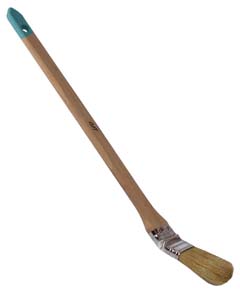
The appearance and the coverage rate of a job depend closely on the structure of the application tools. Thanks to their distinctive scaly structure, natural bristles have long been essential for applying synthetic enamels, solvent-based paints and wood stains, ensuring optimal loading and gradual release of the product. Conversely, for modern water-based paints, quartz paints and silicates, synthetic filaments (such as polyester, nylon or acrylic blends) deliver far better performance, as they do not absorb water and retain their elastic stiffness even after prolonged use.

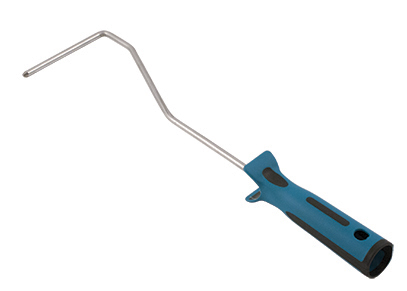
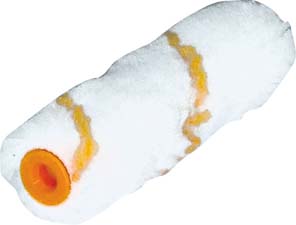
Among professional brushes and rollers, the choice of sleeve fabric is just as critical for the operator. Long-pile polyamide yarns (18 mm and above) are ideal for rough surfaces, standard plaster and exterior façades, as they reach into the micro-cavities of the substrate. Short-pile microfibre (around 8-10 mm), on the other hand, ensures extremely smooth, compact, mirror-like finishes, making it the first choice for gypsum skim coats, plasterboard panels and high-opacity wall enamels.

Preparing a painting job: protection and masking

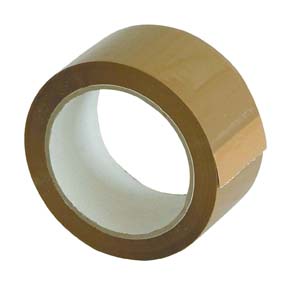
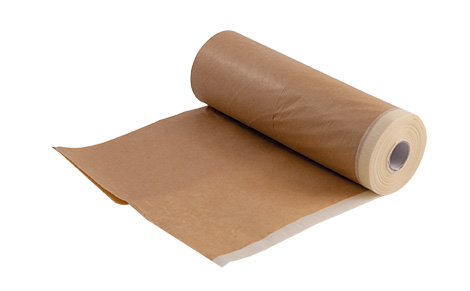
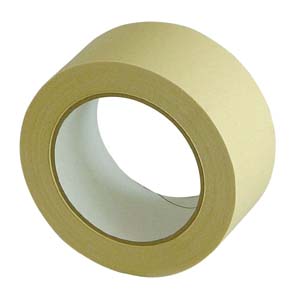
Before any paint tin is opened, making the rooms safe requires rigorous masking procedures to prevent accidental damage to frames, fine flooring, windows and doors. Masking tapes are the first line of protection: standard crepe paper versions (masking tape) are suitable for short-term general use and simple masking. However, for sharp lines on delicate substrates, wallpaper borders or freshly painted surfaces, low-tack tapes are needed, as they peel off cleanly without tearing.

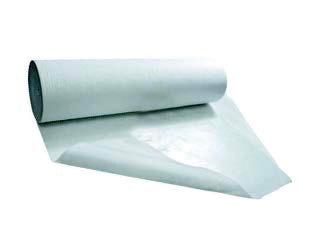
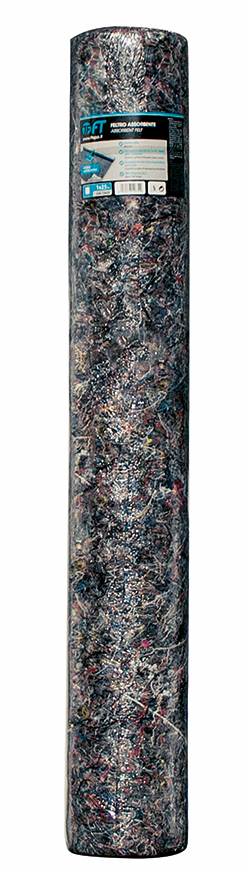
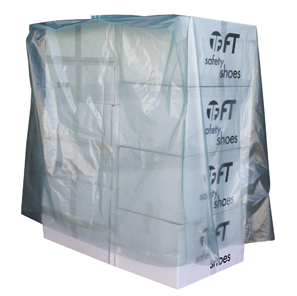
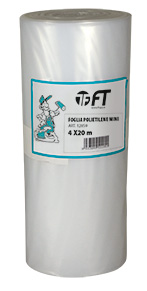
Horizontal surfaces are protected with all-purpose dust sheets. While thin clear polyethylene film is sufficient and economical for shielding furniture, doors and vertical fittings from dust and accidental splashes, protecting floors that will be walked on involves different requirements. Felt-backed laminates or rolls of corrugated cardboard are essential: the non-woven fabric side instantly absorbs paint drips, preventing them from being carried around on shoes, while the plastic-coated base underneath blocks liquids and cushions accidentally dropped scrapers or tools, preventing scratches on parquet, resin and ceramic floors.

Managing the painting range in B2B retail

Paint application consumables have a very high turnover rate and are a steady source of margin for the building materials distributor. Applying the principles of Progetto Rivendita 2.0, the physical layout of the showroom becomes decisive in maximising sales.

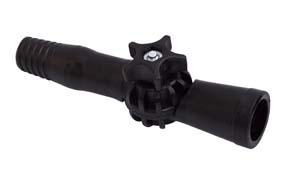
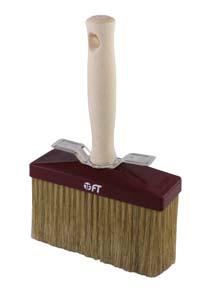
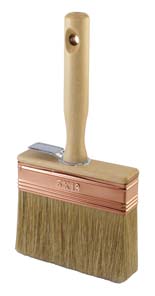
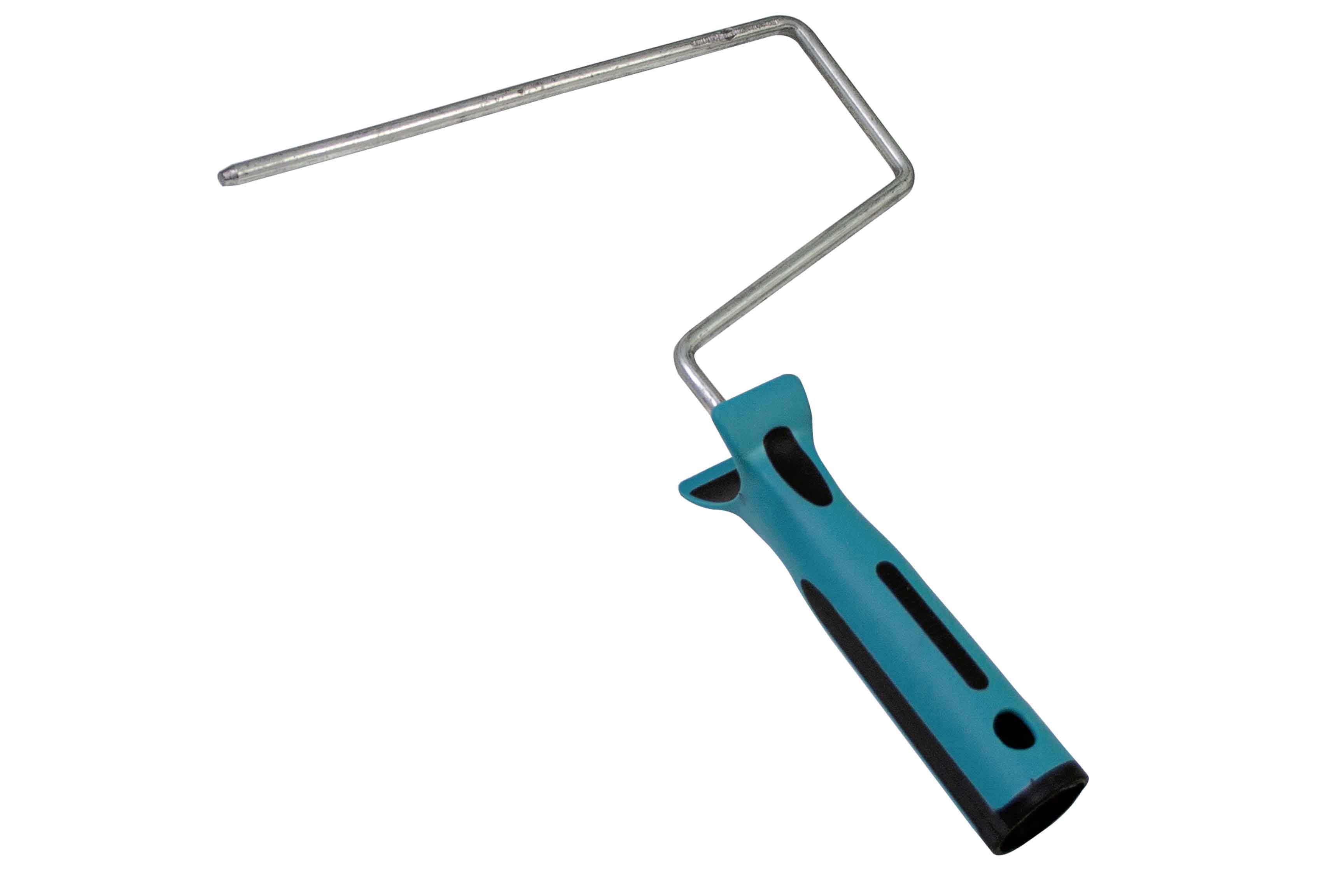
The display should support a smooth, intuitive purchasing path: placing application tools (such as ceiling brushes, mini rollers, roller grids, telescopic poles and buckets) right next to protection products and the tinting area naturally encourages cross-selling. This logical proximity ensures that professionals, when having their paint mixed and buying it, have everything they need at hand to complete the application cycle on site. A well-designed layout increases the average transaction value and confirms the hardware store as a proactive supplier, able to anticipate the applicator's real operational needs.

Frequently asked questions

Why do natural-bristle brushes tend to swell when used with water-based paints?

Animal (natural) bristle has a hollow, porous structure that absorbs the water contained in water-based paints and water-borne acrylics. This absorption makes the bristle swell, lose its natural flexibility and go limp, releasing the paint unevenly. Water-repellent synthetic bristles should always be used with water-based products.

How do you choose the roller pile length for the surface to be painted?

As a general rule, the rougher and more uneven the surface, the longer the roller pile needs to be to reach into the hollows (e.g. 20-22 mm for rough plaster or façades). For smooth, even surfaces (e.g. plasterboard, gypsum skim coats), short-pile rollers (9-12 mm) are used to avoid an unsightly “orange peel” effect and ensure a uniform finish.

Why does paper masking tape sometimes pull off the paint underneath when it is removed?

Lifting can occur for three reasons: using a tape with too aggressive an adhesive (high tack) on weak substrates, leaving the tape on the surface for too long (the adhesive cures and grips tenaciously), or removing it once the paint is completely dry. The tape should be removed while the paint is still slightly wet, pulling it away at an angle of about 45 degrees.

For exterior work on façades, is ordinary crepe paper tape enough?

Definitely not. Standard paper tape does not withstand the sun's UV rays and bad weather; the adhesive can glaze over within a few hours, making it impossible to remove without solvents or scrapers. Outdoors, use waterproof cloth tapes or specific UV-resistant paper/PVC tapes that can stay in place for days without leaving sticky residue.

What is the practical advantage of a felt-backed dust sheet over a plain polyethylene one?

Smooth polyethylene does not absorb liquids: a drop of paint on the floor stays wet and can be stepped on by the operator and carried into other rooms. Thanks to its absorbent top surface, a felt-backed (laminated) sheet immediately captures wet paint, keeping shoe soles clean. It also provides effective mechanical protection against knocks and dropped small tools.

How do you avoid lap marks when painting large plasterboard walls?

To avoid lap marks (visible joins between one pass and the next) it is essential to work “wet on wet”, i.e. quickly, before the edges of the paint start to dry. Technically, using a high-quality microfibre roller together with suitable retarders (or simply thinning the paint correctly according to the technical data sheet) allows the product to flow out and self-level optimally.

Store Locator

Find your nearest FT dealer

Or write to info@ftspa.it for a tailored quote.

Stay up to date