Types and composition of waterproofing products
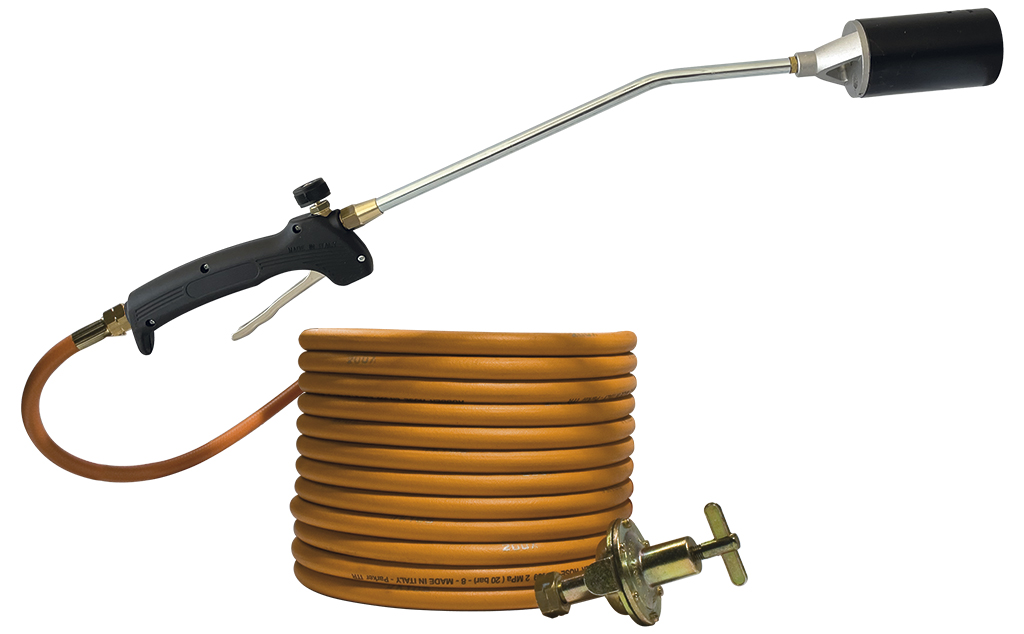
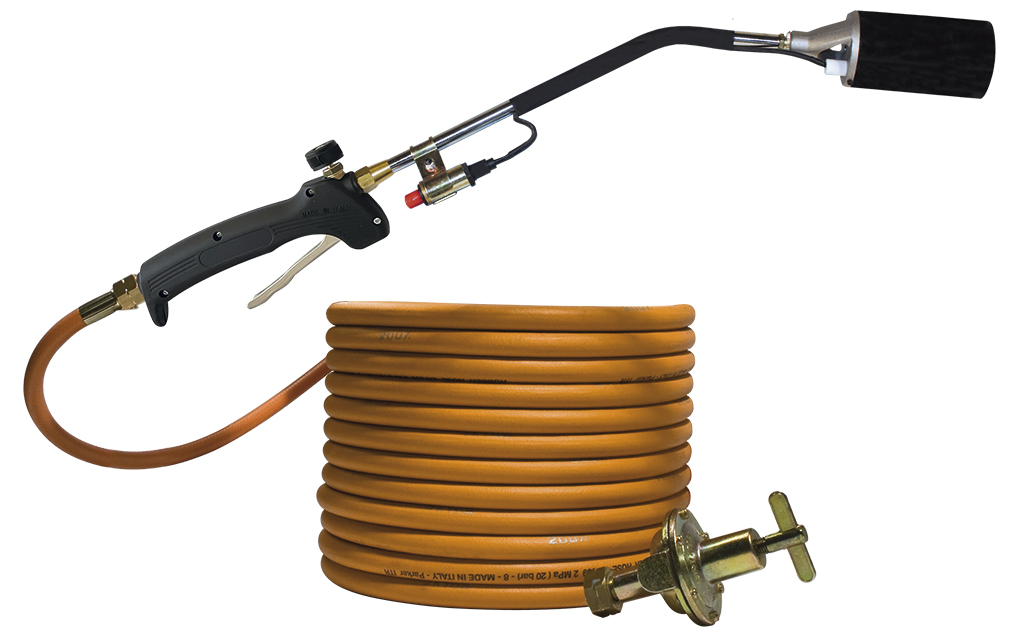
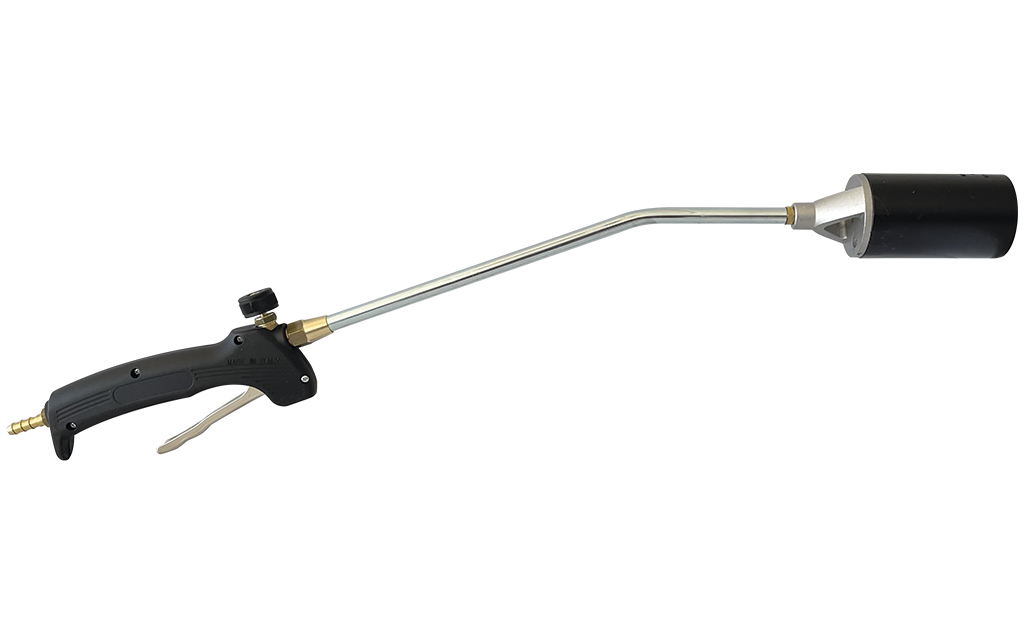
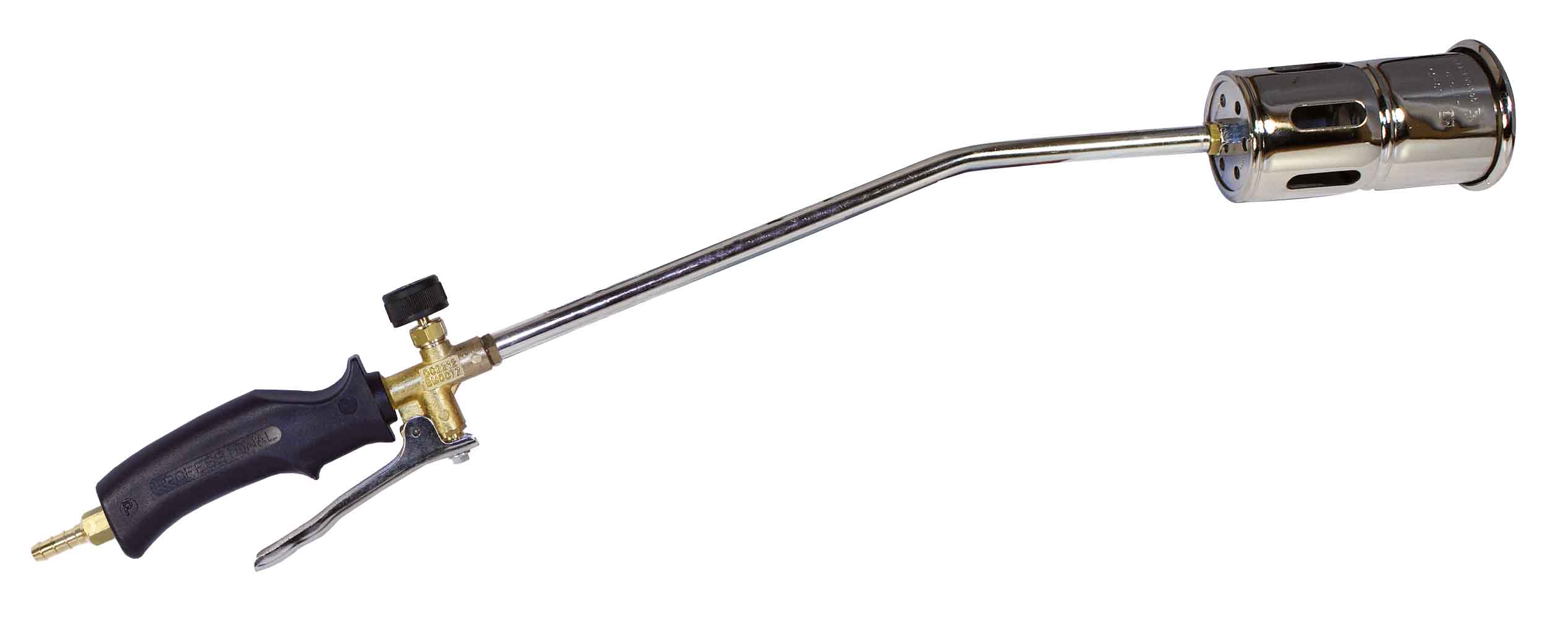
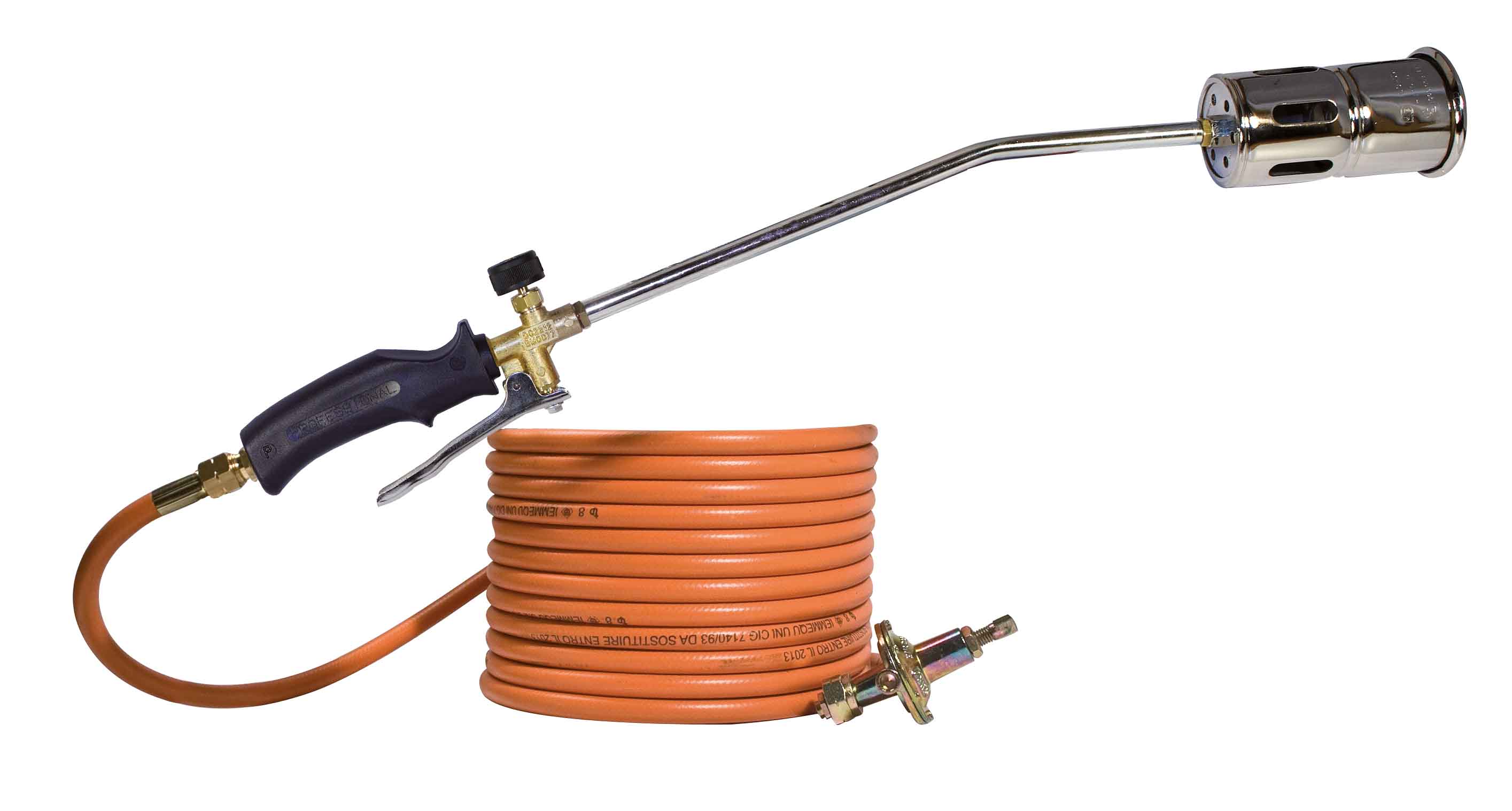
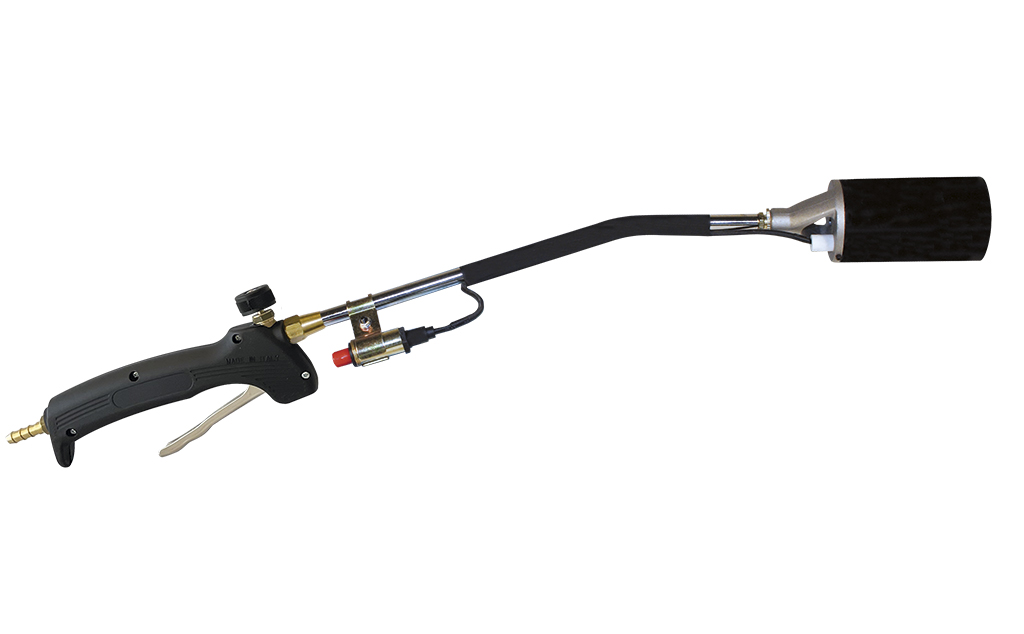
The technical market offers a range of chemical formulations to meet specific structural requirements. Cementitious mortars, available in one-component or two-component versions, create a rigid or deformable coating, offer high resistance to hydrostatic pressure (both positive and negative-side) and are suitable for foundations, lift pits and retaining walls. Synthetic resins, notably liquid waterproofing membranes (polyurethane, polyurea or acrylic), stand out for their flexibility and ability to adapt to complex geometries. These materials cure on contact with air, forming a seamless continuous membrane with excellent crack-bridging properties (the ability to span micro-cracks in the substrate). Prefabricated waterproofing membranes, whether polymer-modified bitumen or synthetic sheets (PVC or TPO), remain the standard for large civil and industrial roofs, ensuring constant thickness and high mechanical strength through torch-on or hot-air welding.