
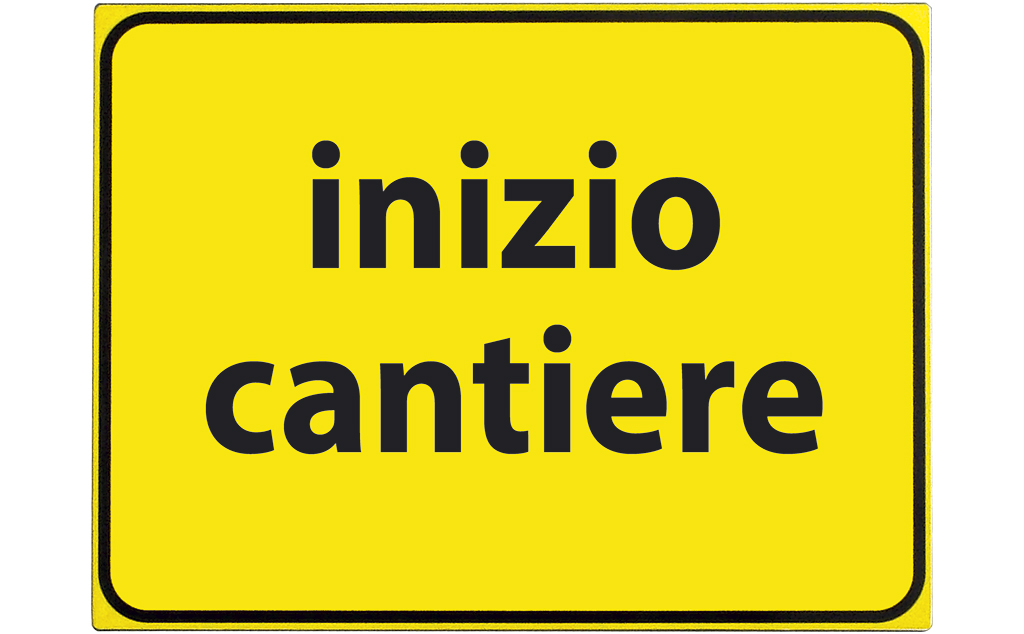
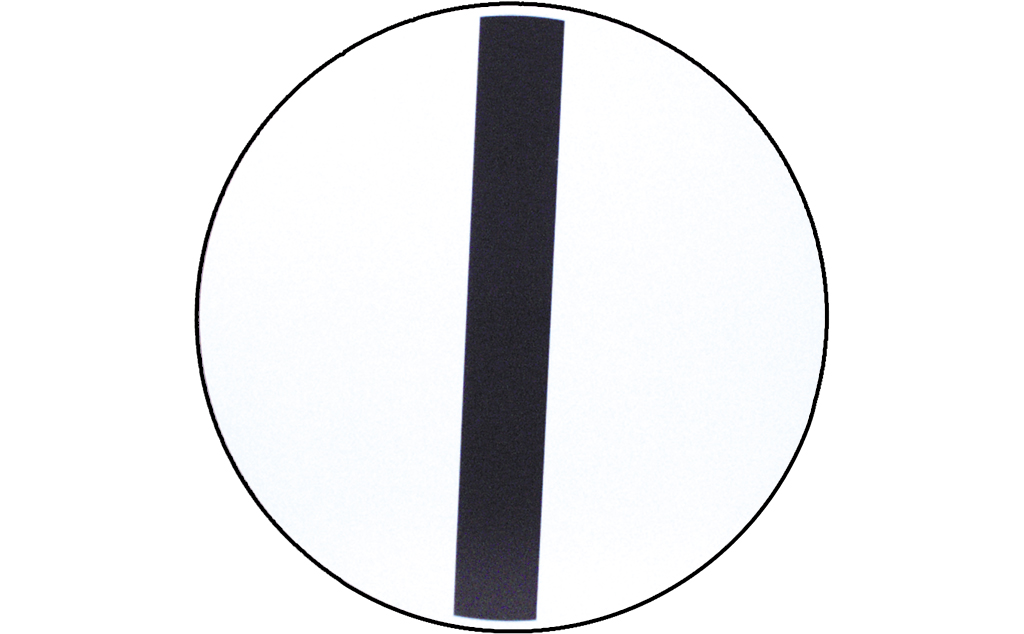
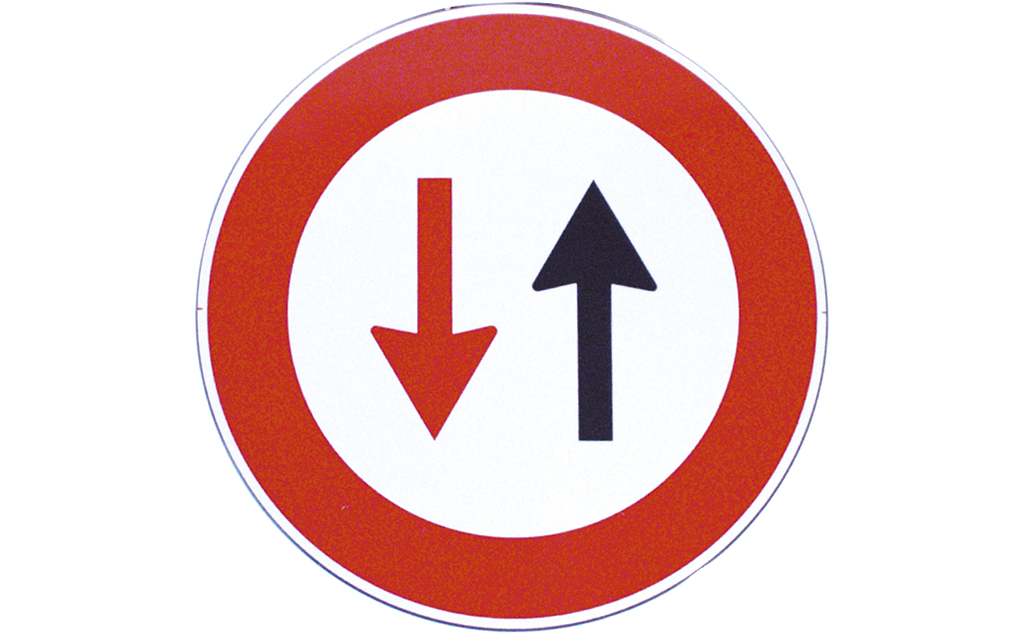

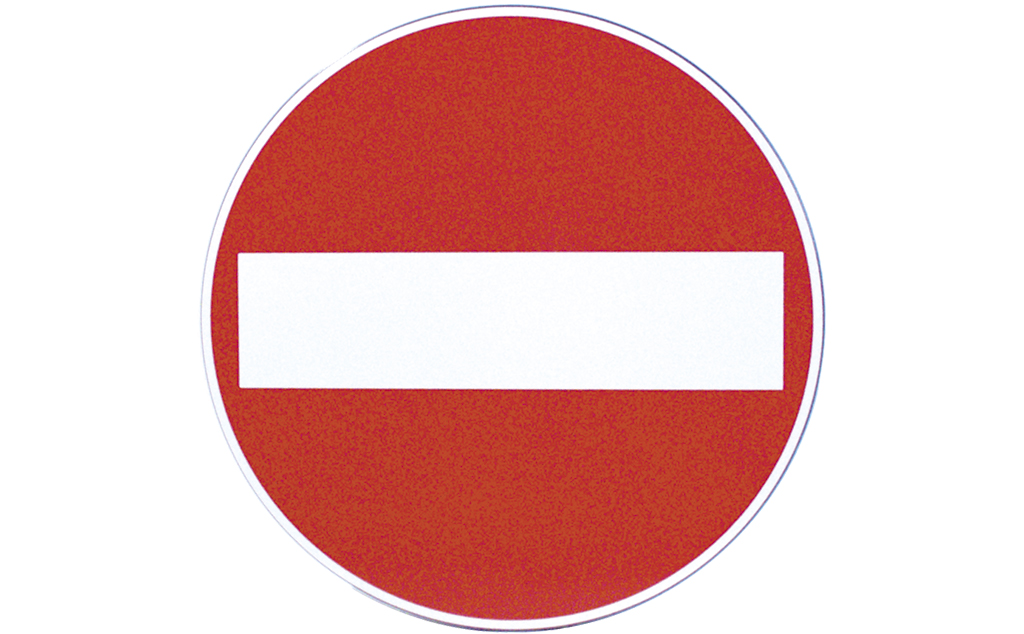
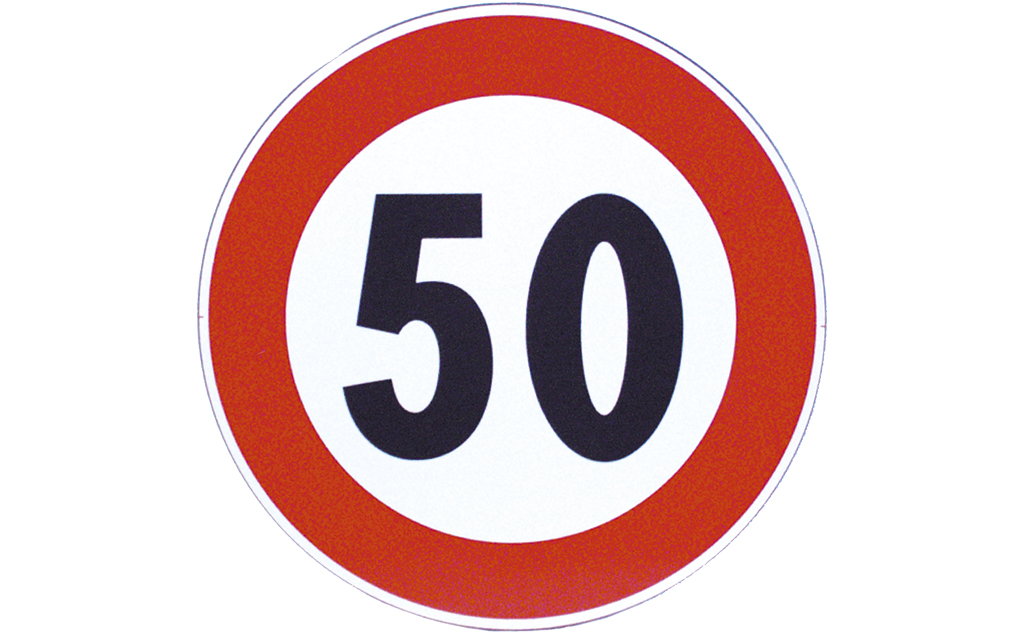

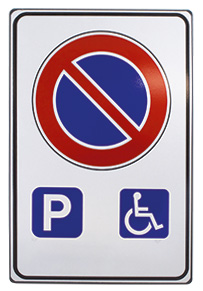


TRAFFIC SIGNS

Site signs: mandatory signage and operational safety

A work area that is not correctly signposted is exposed to enormous risks and very heavy penalties. Visibility and clarity of information are the first calling card of a well-organised, law-abiding company. Site signs are the fundamental tool for communicating hazards, obligations and prohibitions, protecting both workers and members of the public passing near excavations or scaffolding.

For professional hardware stores and building materials distributors, stocking these items guarantees very fast, reliable turnover. Every new job or renovation requires specific demarcation imposed by law, ensuring continuous, steady repeat purchases across different types of panels. Supplying local contractors with durable, clear and immediately available signs means solving a critical emergency and sparing them costly shutdowns following inspections. A well-structured range turns your store into an indispensable partner for site set-up, building loyalty among trade customers who will return regularly to update their safety equipment.

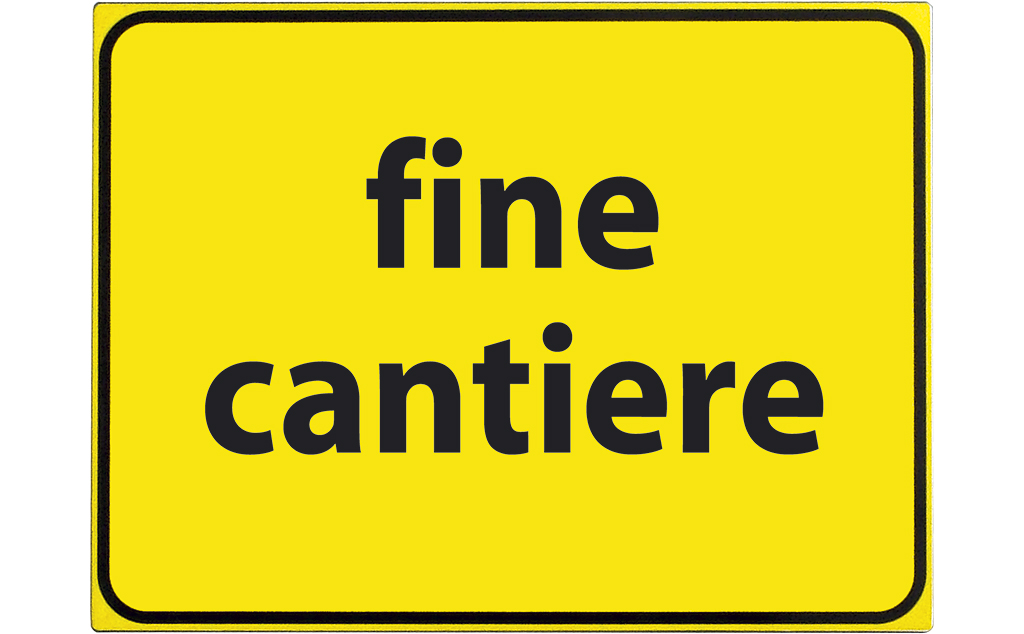
Setting up an operational area requires structured visual communication on several levels. The initial focal point is the site information board, the large summary panel that displays to the public the details of permits, the names of those responsible for safety, the value of the works and the completion dates. Alongside this comes every other mandatory site sign needed to indicate no entry for unauthorised persons, directions for heavy vehicles and the obligation to wear personal protective equipment. A comprehensive range enables distributors to supply the right signage for every stage of work, from foundations through to finishing.

Materials and visibility of construction signs

Constant exposure to the weather, abrasive dust and sunlight calls for highly resistant substrates. Temporary site signage is typically made from corrugated plastic (polionda), a light, inexpensive fluted plastic material, ideal for medium-term display on the classic orange mobile fencing. For permanent signs or industrial settings, rigid PVC or aluminium substrates are preferred, as they withstand impacts and seasonal temperature swings without warping. The printing processes use special UV-resistant inks that prevent fading, ensuring hazard messages remain perfectly sharp and legible even after months of direct exposure to summer sunlight.

Regulatory compliance of site safety signs

Worker protection and the legitimacy of operations are strictly bound to compliance with Italy's Consolidated Act on Occupational Health and Safety (Legislative Decree 81/08). The pictograms, geometric shapes and colour proportions of the panels must faithfully reflect recognised European visual standards. Using non-compliant signage exposes the contractor to penalties and the potential immediate suspension of work. FT SPA, operating to the strict standards of its ISO 9001:2015 quality management system, distributes only tested, compliant signage. This rigorous quality selection ensures distributors sell material that is impeccable from both a technical and a regulatory standpoint.

Logistics advantages for merchants and Progetto 2.0

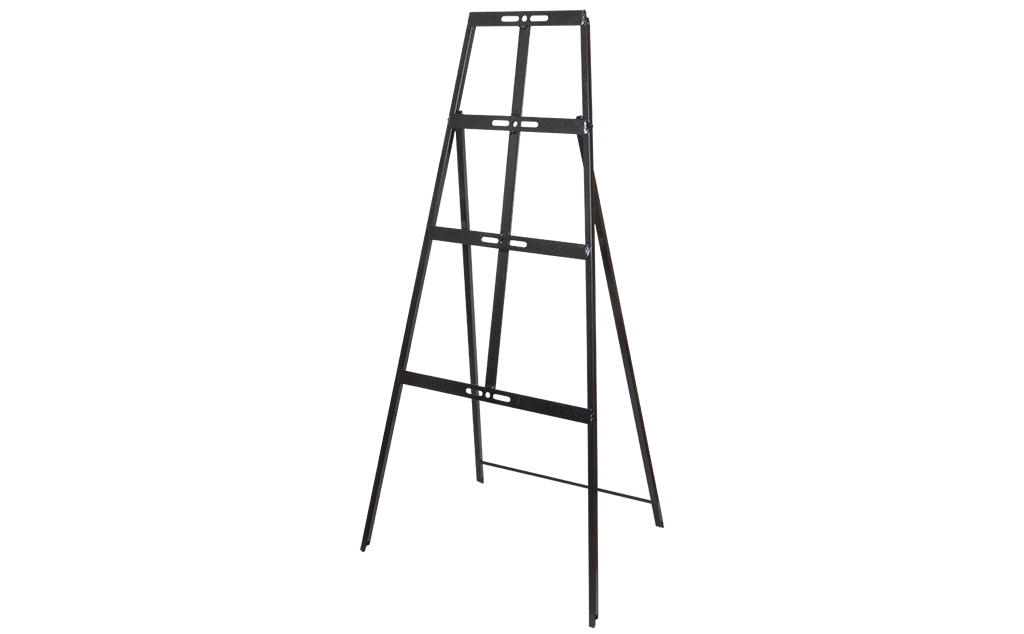
Handling rigid panels, especially in large formats, takes up considerable space in the shop. FT SPA solves this problem by guaranteeing fast supply nationwide, allowing retailers to meet their contractor customers' urgent needs without overloading their own warehouses. To enhance the offer, the company provides Progetto Rivendita 2.0, an exclusive service that supplies displays designed to organise signs in dedicated vertical racks or comb-style modules. This solution cuts floor space, makes signs easy to browse and encourages self-service purchasing.

Frequently asked questions

What details and permits must be shown on the main site information board at the start of works?

The board must clearly state: the type of works, the details of the building permit (or SCIA/CILA), the names of the client, the contractor, the designer, the works supervisor and the safety coordinator, as well as the estimated value and the expected completion date.

What is the practical difference in use between a corrugated plastic (polionda) sign and a rigid PVC one?

Corrugated plastic is a lightweight fluted structure, excellent for temporary display and easy to pierce for fixing to fencing mesh with cable ties. Rigid PVC, having no flutes, offers far greater flatness and impact resistance, making it the obvious choice for long-term installations or wall mounting.

Do prints and colours resist fading caused by prolonged exposure to summer sun?

Yes, our panels are made with specific outdoor inks and anti-UV additives. This ensures excellent colour stability of red (prohibition) and yellow (warning), preventing signs from becoming illegible within a few weeks because of the sun.

Which prohibition and mandatory signs must always be present to restrict access by unauthorised persons?

The perimeter must always display the no-entry sign for unauthorised persons. At the operational entrance, on the other hand, it is essential to put up the summary panel showing PPE requirements (e.g. use of a safety helmet, safety footwear and work gloves).

How can I display large-format panels in my store without obstructing the aisles?

With Progetto Rivendita 2.0, we provide distributors with column displays and comb-style racks. These systems hold panels upright, grouping them by type in a very compact space and keeping the shop aisles completely clear.

Do you guarantee fast shipping to support contractors who need to set up a site urgently?

Absolutely. FT SPA's logistics are organised to ensure prompt order fulfilment, allowing the shop to deliver mandatory signage at very short notice so that contractors can open their sites on schedule without delays.

Store Locator

Find your nearest FT dealer

Or write to info@ftspa.it for a tailored quote.

Stay up to date