Catalogue

Waterproofing products: professional solutions against water ingress

Protecting structures from water is a critical phase in any building project. For a trade hardware store or a builders' merchant, offering high-quality waterproofing products is essential to guarantee the contractor durable concrete and healthy indoor environments. Problems caused by water ingress are among the most insidious to fix once a job is finished; the choice of the right materials during installation therefore determines the structural reliability of the entire building.

B2B retailers need to select items with high adhesion to substrates, excellent long-term elasticity and resistance to severe temperature swings. Offering certified technical solutions not only protects the installer but also strengthens the store's reputation as a go-to partner. A well-balanced range makes it possible to meet specific demands for new builds, complex renovations and routine maintenance, supplying complete, safe packages that comply with building regulations. Ensuring reliable supply in this segment builds contractor loyalty and minimises potential after-sales disputes.

Types and composition of waterproofing products

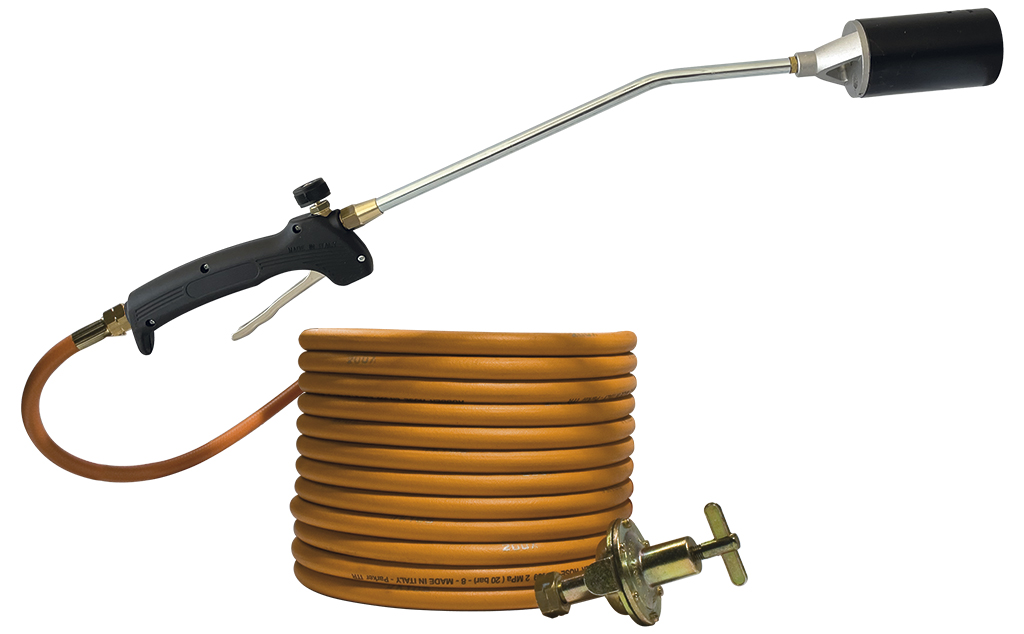
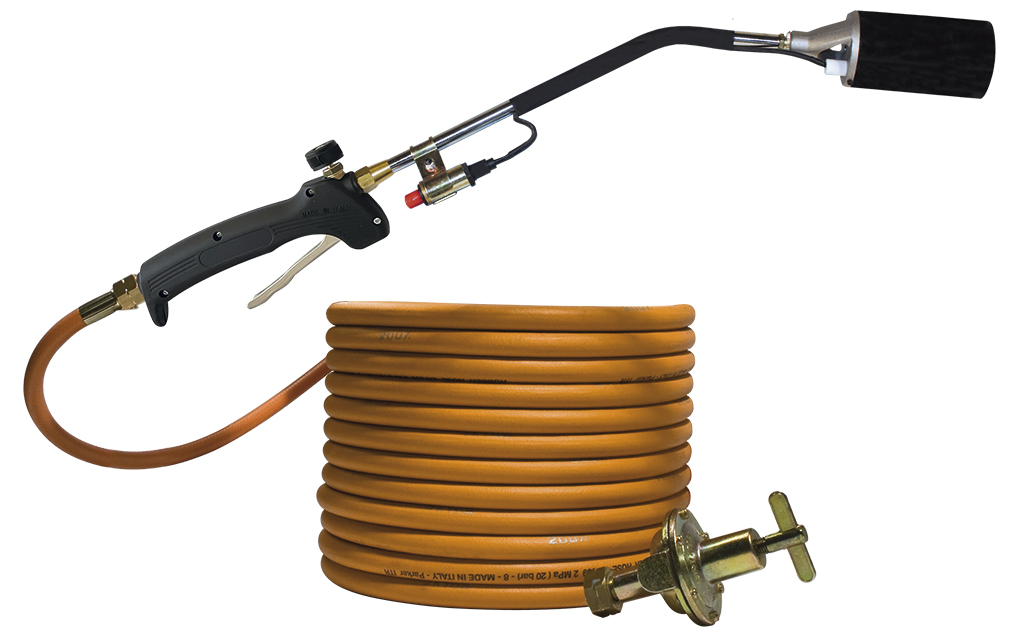
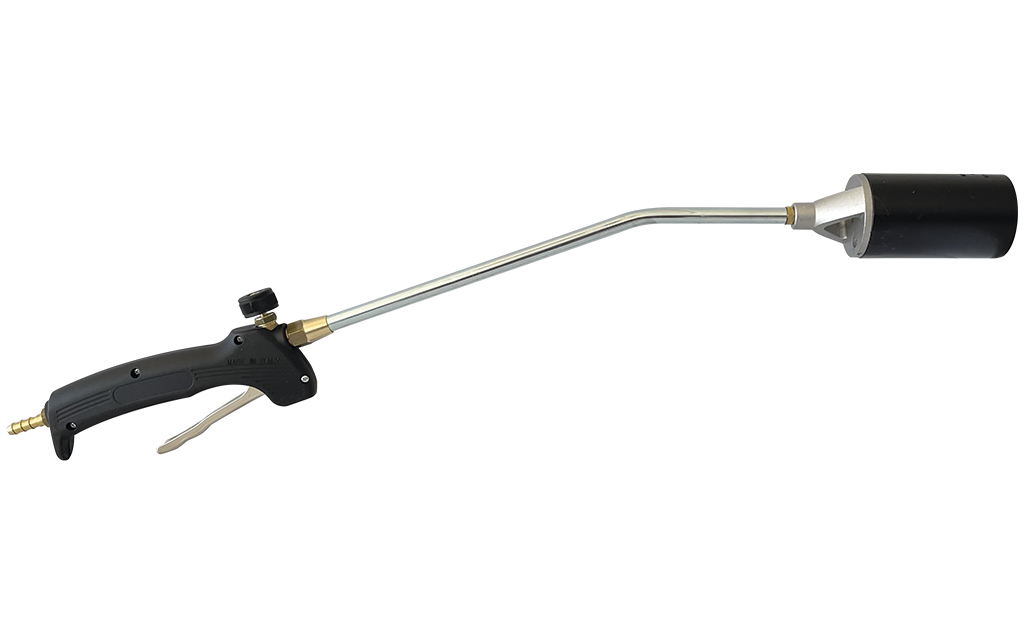
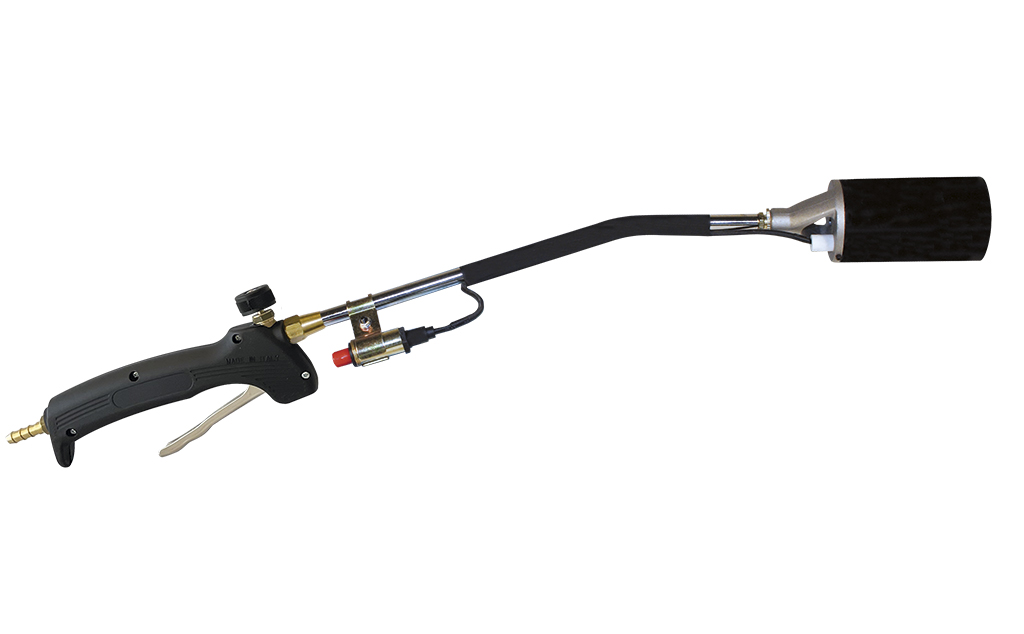
The technical market offers a range of chemical formulations to meet specific structural requirements. Cementitious mortars, available in one-component or two-component versions, create a rigid or deformable coating, offer high resistance to hydrostatic pressure (both positive and negative-side) and are suitable for foundations, lift pits and retaining walls. Synthetic resins, notably liquid waterproofing membranes (polyurethane, polyurea or acrylic), stand out for their flexibility and ability to adapt to complex geometries. These materials cure on contact with air, forming a seamless continuous membrane with excellent crack-bridging properties (the ability to span micro-cracks in the substrate). Prefabricated waterproofing membranes, whether polymer-modified bitumen or synthetic sheets (PVC or TPO), remain the standard for large civil and industrial roofs, ensuring constant thickness and high mechanical strength through torch-on or hot-air welding.

Waterproofing product applications on site

The intended use and type of stress determine the correct choice of material. Indoor wet rooms, such as bathrooms, shower enclosures and industrial kitchens, require elastic cementitious systems applied under tiles, designed to protect screeds and ensure perfect adhesion of the subsequent tile adhesives. For waterproofing terraces, balconies and flat roofs, directly exposed to UV rays and seasonal temperature changes, liquid polyurethane membranes or reinforced systems are preferred, as they absorb structural movement and prevent cracking of the flooring. For below-ground structures, bitumen emulsions or bentonite sheets are used, formulated to withstand constant contact with groundwater and the static puncturing of soil during backfilling. Swimming pools and containment tanks, on the other hand, require epoxy or cementitious products suitable for permanent contact with chlorinated water.

Stock management of waterproofing products and technical advice

Handling this product category requires attention to storage temperatures and the shelf life stated by manufacturers, especially for water-based resins and emulsions, which are irreversibly damaged by frost. For the builders' merchant, the real commercial advantage lies in offering complete application systems. It is essential to supply professionals not just with the resin or mortar but with the entire package: adhesion-promoting primers suited to the substrate, fibreglass reinforcing mesh and rubberised tapes for treating joints. Clear display principles, such as those of Progetto Rivendita 2.0, make cross-selling with dedicated tools (floats, rollers, mixers) easier. This targeted advice allows retailers to support contractors even with complex structural problems such as rising damp, offering injectable silane chemical damp-proof courses or macroporous dehumidifying plasters for the permanent restoration of masonry.

Frequently asked questions

Can waterproofing membranes be applied over existing floors without removing the screed?

Yes, overlay application is a common and effective practice in quick refurbishments. It is essential to check flatness, the absence of loose parts and that the existing tiles are perfectly bonded. Thorough preliminary mechanical cleaning and the use of a specific adhesion-promoting primer for smooth, non-absorbent substrates are fundamental before applying the new protective layer.

What is the ambient temperature limit for applying liquid waterproofing products outdoors?

Technical data sheets generally specify a strict operating range of +5°C to +35°C. Lower temperatures stop or drastically slow the curing of resins. Excessive summer heat, on the other hand, causes the surface to skin over too quickly, trapping moisture in the substrate and subsequently causing bubbles and detachment (blistering).

What is the technical difference between an osmotic mortar and an elastic cementitious membrane?

Osmotic mortar is a rigid compound designed to penetrate and crystallise within the pores of concrete, making it ideal for resisting negative-side hydrostatic pressure in basements, cellars or lift pits. An elastic cementitious membrane instead forms a flexible, continuous surface film, suited to accommodating natural structural movement on roofs, terraces or external screeds.

Is it always mandatory to embed fibreglass mesh in the applied product?

Reinforcing mesh is strongly recommended for systems applied by roller or trowel. Alkali-resistant fibreglass mesh increases the system's tensile strength, distributes structural stresses evenly and helps the operator maintain a constant, controlled, standard-compliant application thickness over the whole area treated.

How are structural expansion joints treated before application?

Movement joints must never be covered directly with liquid or cementitious compounds, as movement would tear the protective membrane. The joint must be cleaned, a compressible polyethylene foam backer rod inserted (to set the depth), an elastic polyurethane sealant applied and, finally, the special rubberised tapes with side fleece fitted and connected to the main waterproofing system.

Store Locator

Find your nearest FT dealer

Or write to info@ftspa.it for a tailored quote.

Stay up to date