Types and materials of protective work gloves
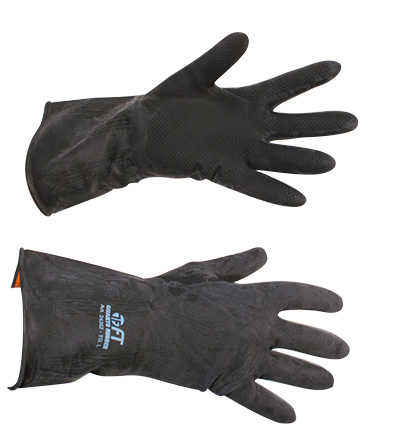
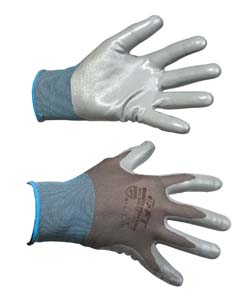
The effectiveness of a hand-protection device depends on the right combination of inner textile liner and outer protective coating. The professional market offers solutions tailored to each specific task. Seamless knitted nylon or polyester liners ensure maximum dexterity for adjustments and precision work. When tasks involve contact with oils, site greases or hydrocarbons, customers should be steered towards nitrile protective gloves, a synthetic polymer that ensures a firm grip on slippery surfaces while also offering a basic chemical barrier.
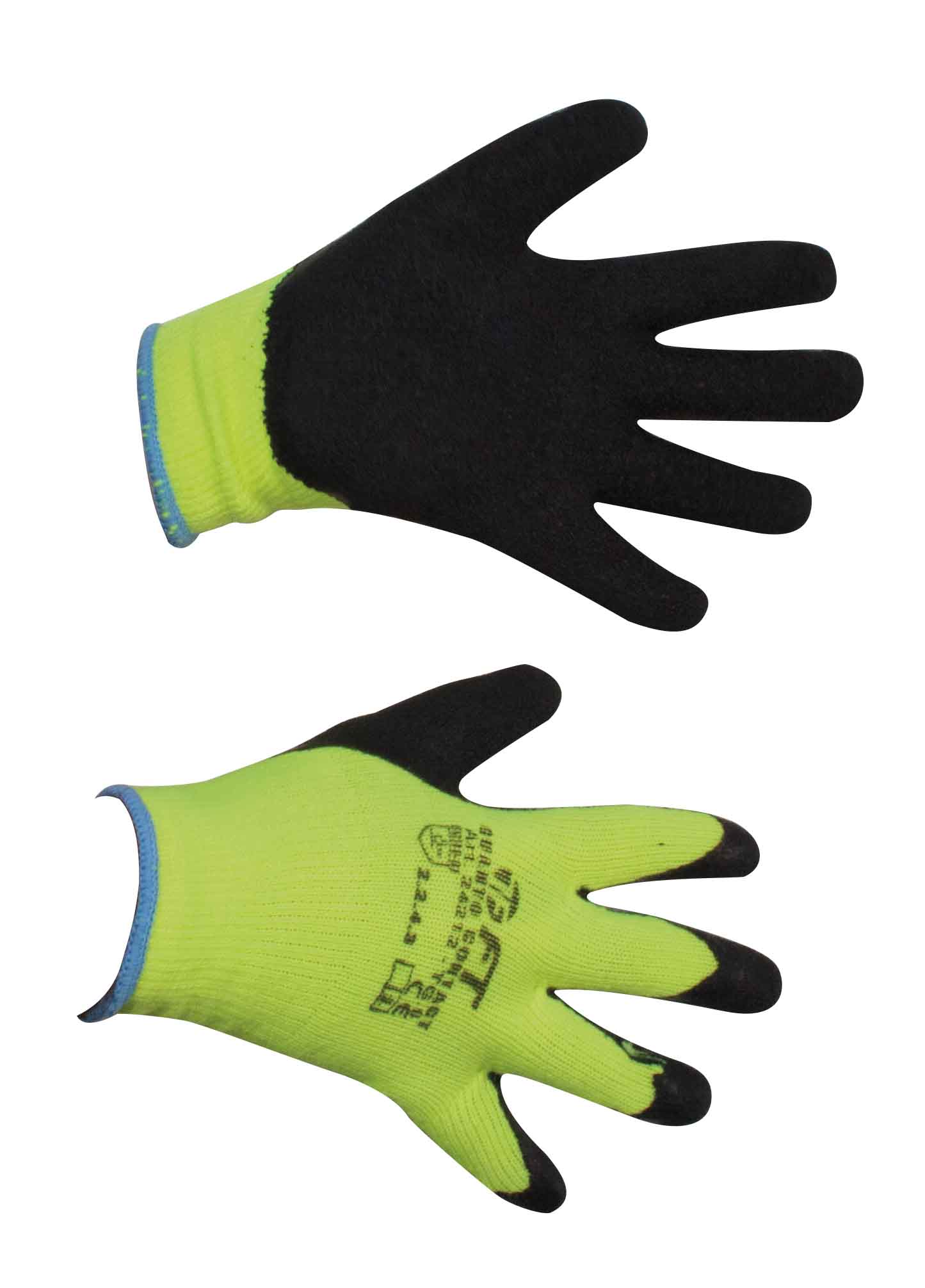
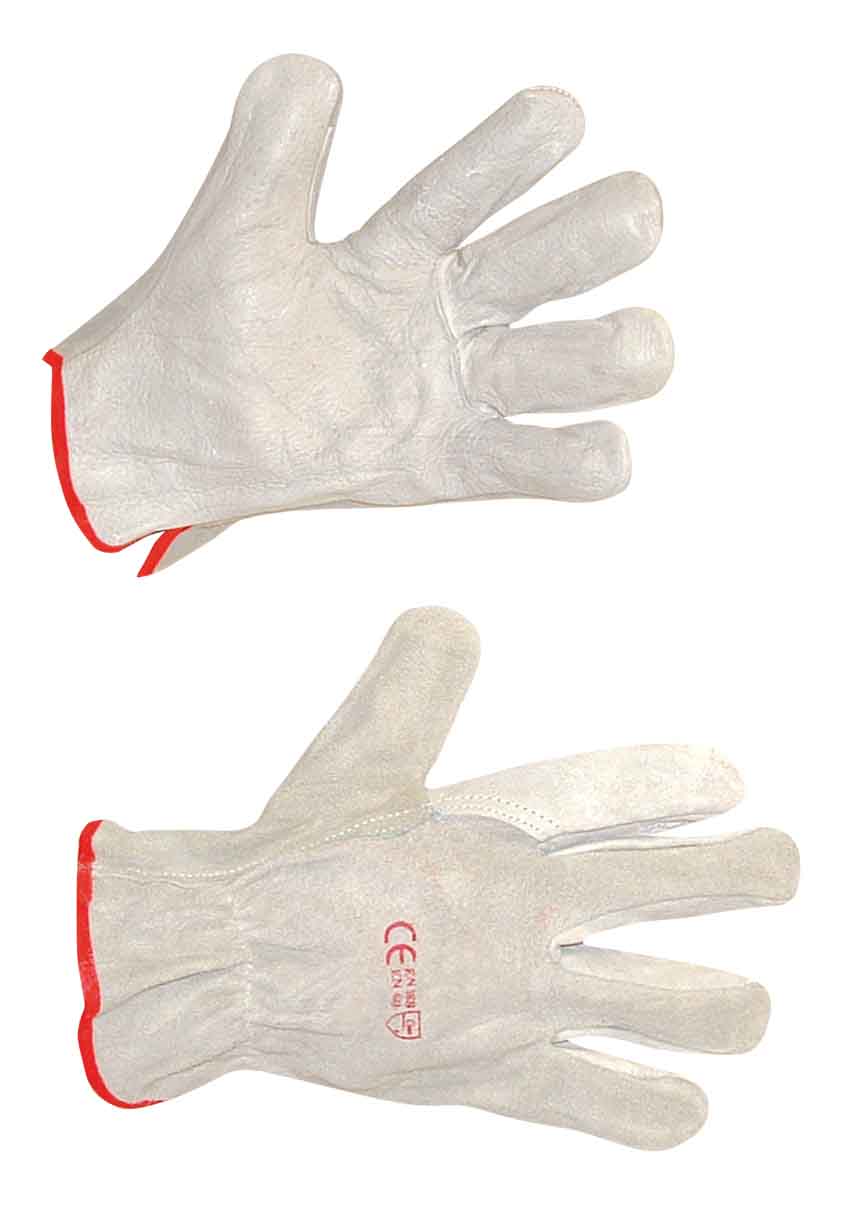
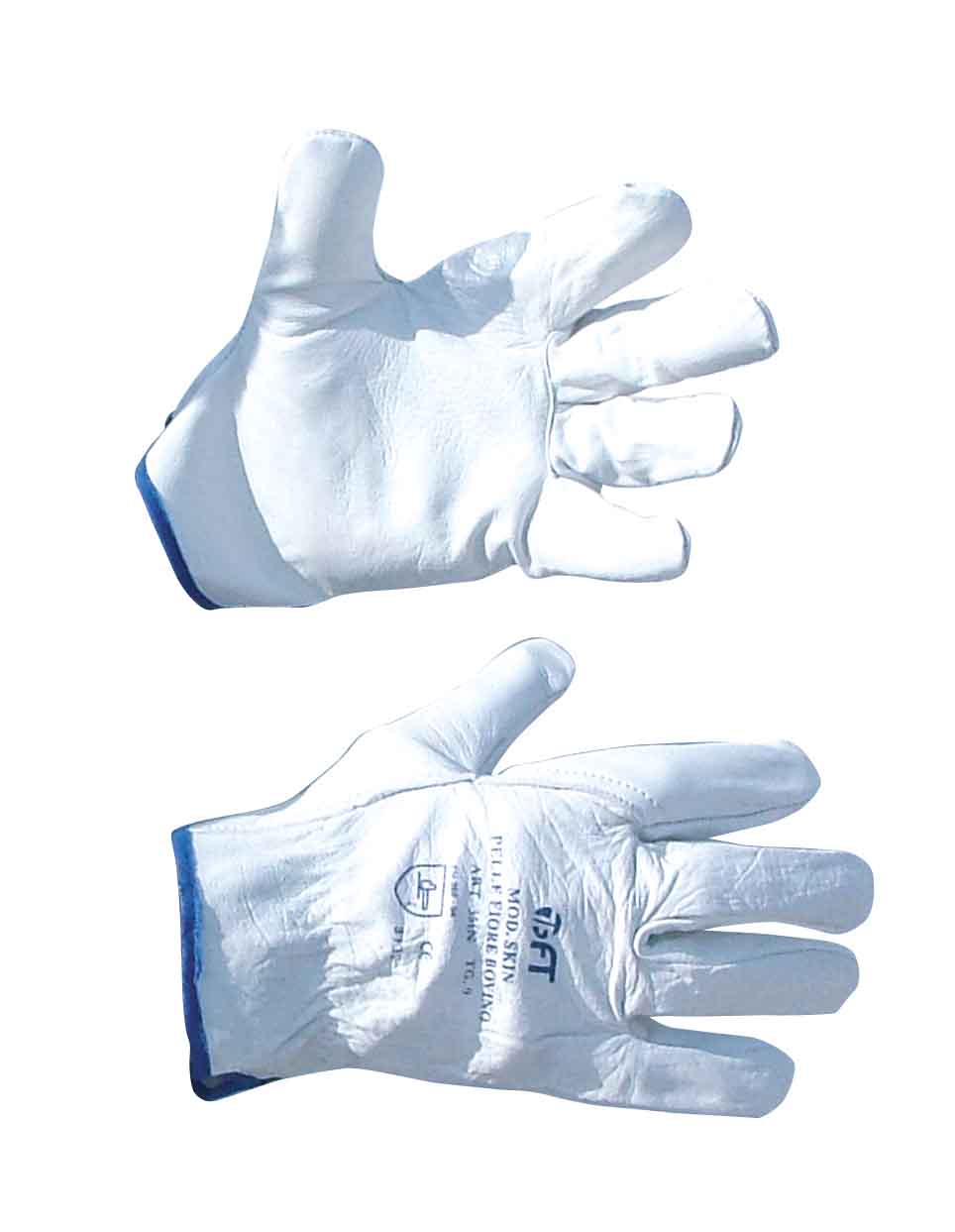
For handling dry abrasive materials, such as bricks or concrete blocks, crinkle latex coatings offer the best compromise between grip and cushioning thickness. Traditional solutions remain indispensable: classic cowhide split leather builders' gloves are necessary for heavy carpentry, handling rough timber and tasks requiring a strong barrier against prolonged rough abrasion, even at the expense of fine finger mobility.