About us
Research and development: engineering and safety for construction-site supplies
The research and development department is the engineering engine behind every item FT SPA brings to market. With over forty years of experience in the sector, the company knows well that in the construction industry products are not simple commodities, but structured working tools designed to guarantee high performance and protect the safety of those who use them.


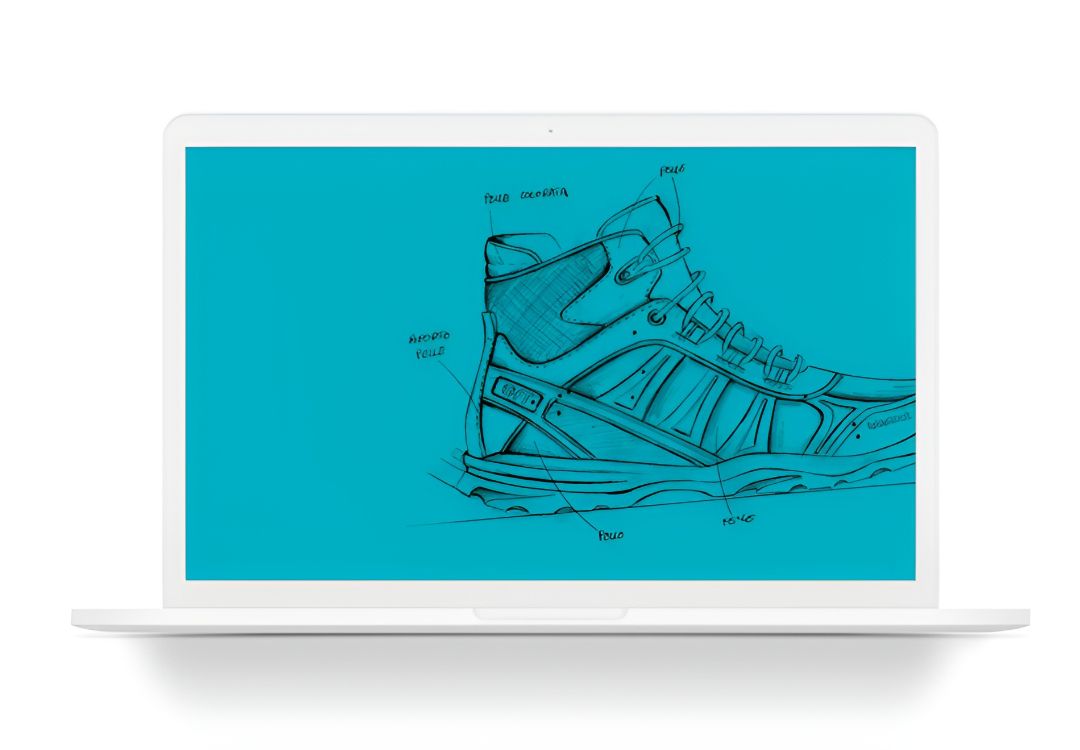
The R&D centre
Technology and craftsmanship: not an alternative, a synthesis.
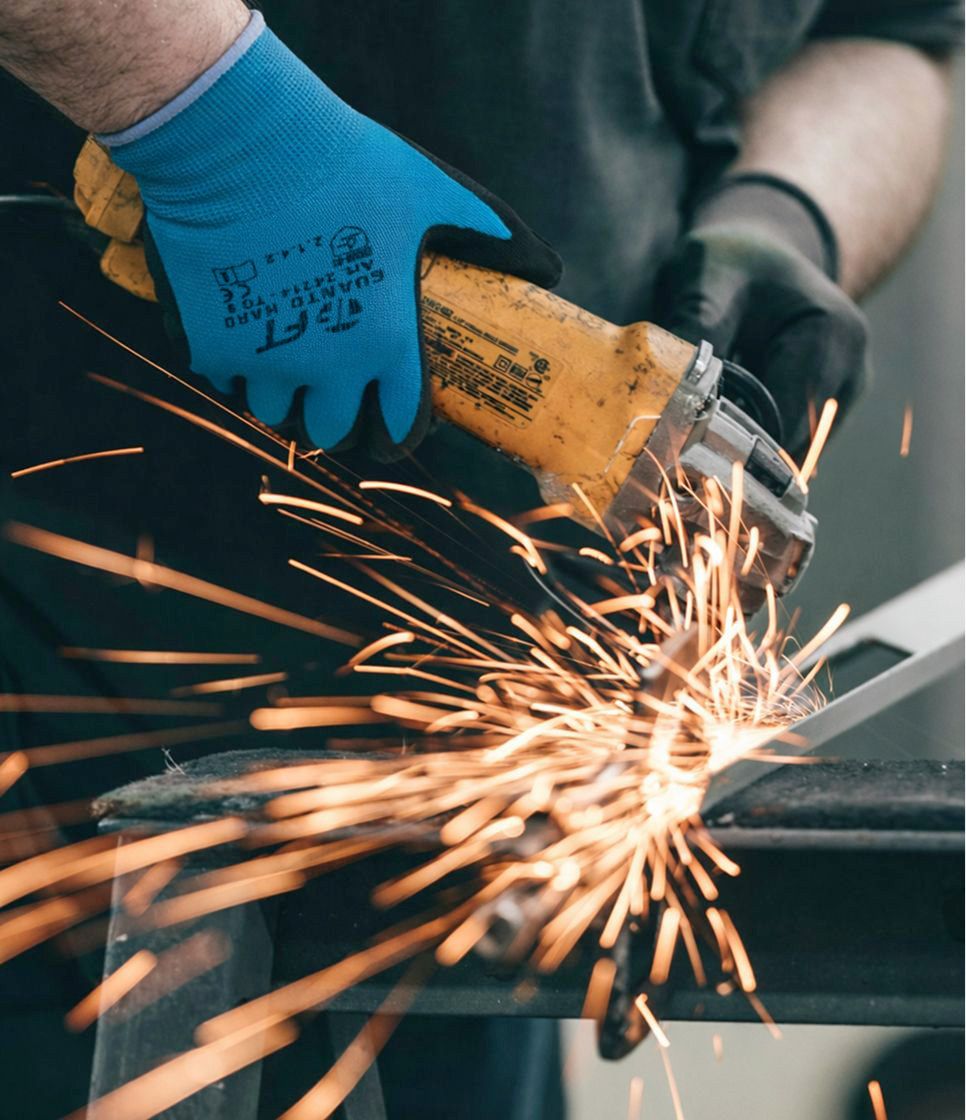
In our workshop, CNC machinery works alongside people with decades of hands-on experience. It's this combination that makes it possible to develop products that are hard to replicate: not just compliant with regulations, but designed for those who really work with their hands.
Frequently asked questions
Can a partner retailer report a job-site issue to request the development of a new tool?
Yes. The technical communication channel with our distribution network is always open. Reports of specific operational needs or structural shortcomings in standard tools are collected and analysed by the R&D office. If the need identified reflects a genuine market demand, the engineering department launches a feasibility study to develop a dedicated solution.
Are breaking-load tests carried out in-house or through third-party bodies?
Preliminary validation and fatigue-stress testing are carried out in-house to optimise prototyping timelines. However, official breaking-load certifications and approvals (such as CE marking for category III Personal Protective Equipment) are always issued by independent laboratories and notified bodies, to guarantee impartiality and regulatory compliance.
If a technical standard is updated, does the company withdraw and redesign items that are no longer compliant?
European regulatory monitoring is an ongoing process. If a standard (e.g. UNI EN) is revised to impose stricter safety parameters, the items involved are promptly isolated, redesigned to meet the new compliance requirements, and subjected to a new validation cycle before being reintroduced into distribution.
Are machinery and equipment also tested in adverse weather conditions?
Yes. Given the outdoor nature of job sites, plastic materials and coatings undergo specific tests in climate chambers. We measure the resistance of technopolymers to embrittlement caused by sub-zero temperatures, dimensional stability under intense heat, and resistance to corrosion caused by humidity and salt fog.
How is the ergonomics of a new tool validated to prevent occupational conditions?
Ergonomics is calculated at the design stage using biomechanical simulation software. Physical prototypes are then field-tested by qualified operators to measure objective parameters: weight balance, reduction of hand-arm vibration (HAV), and correct grip angles to prevent tendon strain.
Configure your display space
Our displays are born from the work of our R&D team. Try the configurator and discover the tailor-made solution for your store.